• 01772 888 778
  • info@xyfil.com
  • Unit 1 & 2, Durton Lane Business Park, Preston, PR3 5LR

Tag Archives: regulations

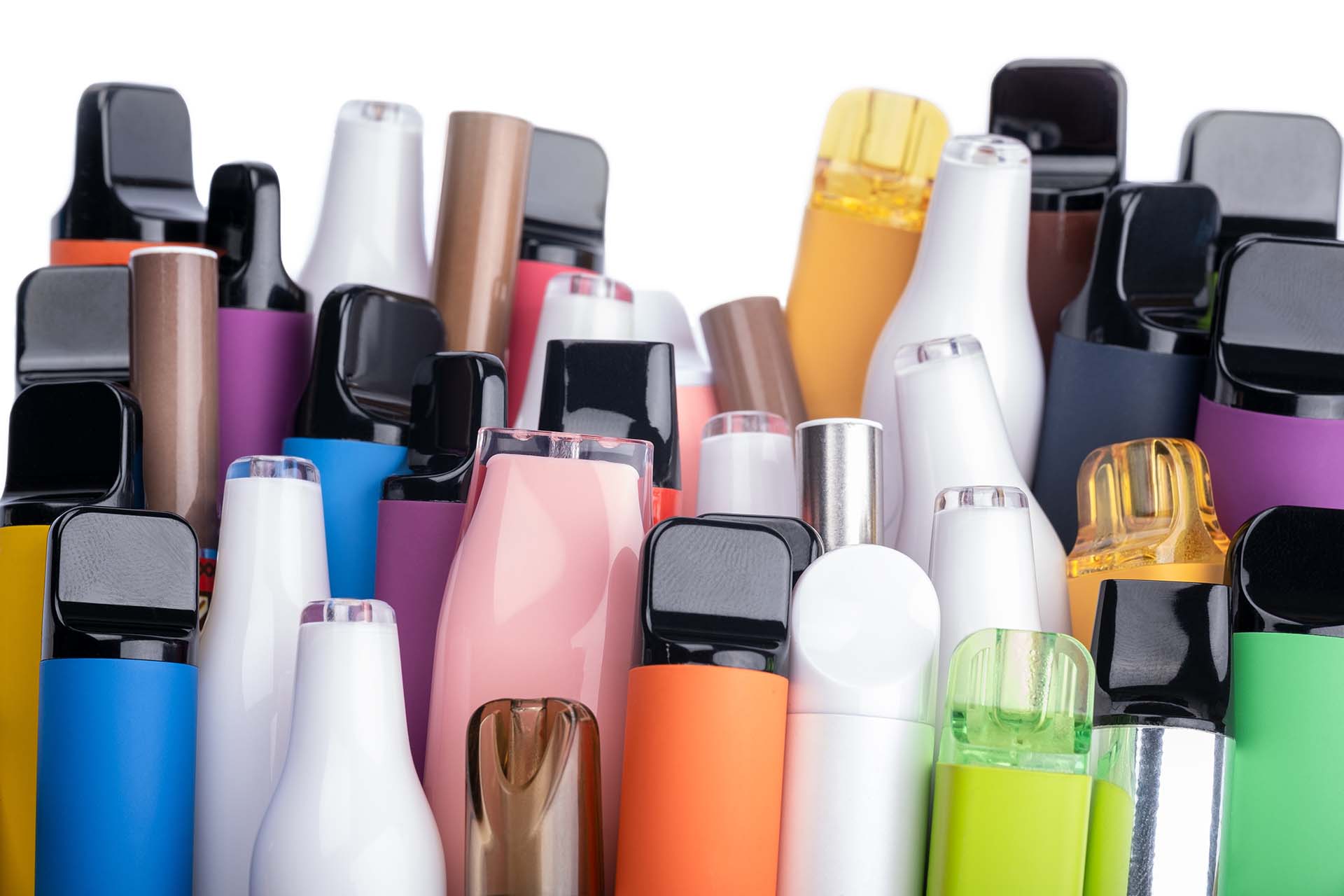
Incoming UK Disposables Ban: Getting Ahead of the Ban

The winds of change are upon the vaping industry once again, as the UK government’s plan to ban various disposable vape products comes into sharper focus. For brand owners and businesses entrenched in this dynamic market, the need to pivot and explore sustainable alternatives is not just a forward-thinking strategy — it’s a necessity in the face of impending legislation.

The Disposables Ban: A New Direction for Vaping

The proposed ban, a response to the rise in youth vaping, will prohibit the sale of certain flavoured E-Liquids and the often-criticized disposable E-Cigarettes. The ban aims to safeguard the younger generation against the potential harm and lifelong addiction risks associated with various nicotine products.

With the end of 2025 being the target date for the ban, businesses must quickly adapt to new regulatory measures and explore how to transition their offering to approved products. This shift is more than just a compliance task; it’s an opportunity for brands to align with consumer values and establish a long-term, responsible presence in the market.

Implications for Businesses

For enterprises still heavily reliant on disposable vape sales, the ban could signal significant operational and financial implications. Ranging from inventory management to supply chain restructuring, the effects will cascade down the business models, requiring comprehensive overhauls. Still, the ban presents a promising horizon, encouraging innovation and diversification across the industry.

The Alternatives: A Path to Sustainability

Staying ahead in the competitive market means offering something unique and in demand. As disposables phase out, there are several product lines that brand owners can consider maintaining their edge.

E-Liquids for Refillable Devices

One of the most popular alternatives is the thriving market for E-Liquids designed for use with refillable devices. This not only capitalizes on the sustained popularity of vape products but also promotes reusability and waste reduction. Manufacturers can capitalize on this by offering an array of E-Liquids in terms of flavours, nicotine strengths, and ratios.

Pod Devices: The Middle Ground

Pod devices serve as a comfortable bridge for consumers making the transition. Offering the convenience of disposables with the sustainability of a rechargeable model, these products are poised to captivate the market’s adaptable segments. Brands can develop their lines with sleek devices that boast long-lasting battery life, and versatile features, combined with their E-Liquid formulations to entice their customer base.

Other Nicotine Delivery Products

Beyond E-Cigarettes, there is a burgeoning demand for alternative nicotine delivery methods (ANDs), which include heated tobacco products and various non-combustible options such as nicotine pouches and sprays. This diversification allows businesses to pivot within the larger nicotine market and explore adjacent territories that align with their production capabilities and brand identities.

Case Study: Pioneering Paths

The transition from disposables to sustainable nicotine products is not new — it’s a trail already being blazed by industry leaders.

Innovating with Sustainable Kits

One such pioneer is Pod Salt, an award-winning British E-Liquid brand. Their latest innovation, Pod Salt Evolve, is a pod device kit that delivers both performance, satisfaction, and sustainability. By offering a product that addresses the legislative changes without compromising on user experience, Pod Salt exemplifies the success possible through strategic innovation.

Conclusion: Embracing Change with Xyfil

The disposables ban, although a significant shift, is a challenge that the robust vaping industry can navigate with innovation and adaptability. Xyfil, a leading vape manufacturer in the UK, has proven expertise in helping businesses successfully pivot to compliant and popular E-liquid lines.

For businesses looking to evolve their offering, Xyfil stands as a trusted industry partner, capable of swiftly manoeuvring through the complex regulatory landscape and emerging with products that win both consumer preference and regulatory approval.

As the market reshapes in the wake of the disposables ban, teaming up with Xyfil can be your strategic advantage — ensuring that your brand's future is as sustainable as it is successful. Contact us today to begin your journey towards transforming disposables into compliant, award-winning E-Liquids poised to lead the next wave of the vaping industry in the UK and beyond.

UK Vape Industry Shake-up: What’s on the Horizon?

The United Kingdom's vaping industry has experienced dramatic growth in recent years, becoming a vital part of the nation's public health strategy and economic landscape. However, like any burgeoning industry, it's not without its challenges.

The UK government's recent consultations are poised to usher in significant changes, particularly aimed at addressing the issue of underage vaping. This transition requires careful navigation, as proposed regulations, especially those concerning e-liquid flavours, could profoundly impact the industry.

These proposed changes highlight the dynamic nature of the vaping industry's regulatory environment, underscoring the importance of staying abreast of legislative shifts to ensure compliance and business continuity.

Recent UK consultation to public on vaping

The UK government recently sought public input on a range of topics pertinent to the vaping industry. This consultation aimed to assess public sentiment and gather input on potential regulatory changes, focusing particularly on underage vaping, which has emerged as a significant concern.

One subject of intense scrutiny during this consultation revolves around e-liquid flavours, with the government considering restrictions that could vastly alter the vaping landscape as we know it.

Possible changes to flavours in the UK

The potential changes to E-Liquid flavours suggested in the consultation are varied and could significantly shape the future of vaping in the UK. One possible change the government is considering is limiting the descriptors used for flavours. This would mean that the vivid and often creative names attached to certain e-liquids could be replaced with more generic terminology.

Another possible change is restricting the ingredients that can be used to manufacture e-liquids. This would limit the range of flavours that can be produced, potentially resulting in a more uniform flavour landscape.

The most drastic change under consideration is limiting characterising flavours to a select few. This could mean that e-liquid flavours will be limited to tobacco, or perhaps tobacco, mint and menthol, or even a third option of tobacco, mint, menthol, and fruits only.

This would represent a significant departure from the current wide array of flavour options and could dramatically transform the vaping experience., though the latter would likely create the least impact on adult vapers.

The government's decision on these proposed changes will heavily depend on the public's feedback during the consultation period.

Such changes could have profound implications for vape brands. If enacted, limitations on flavour descriptions could disrupt marketing strategies, potentially necessitating brand revamps. Restrictions on ingredients would likely demand reformulation of products, leading to increased costs and logistical challenges. Moreover, limitations on characterising flavours might reduce product range and diversity, potentially shrinking customer bases.

Navigating Regulatory Changes with Xyfil

At Xyfil, we understand the importance of keeping up with the ever-changing regulatory landscape of the vaping industry. Our experts continuously monitor potential changes to ensure that brand owners are always one step ahead. Our valuable insights and comprehensive understanding of regulatory changes enable us to provide tailored advice, helping brands adapt and evolve in line with new policies.

Furthermore, our expertise extends beyond regulation insights. In the face of potential flavour restrictions, Xyfil stands out with our proficiency in producing the tobacco, mint and menthol flavours. Make the most of our white label flavour options to help ensure your brand isn't left behind with any changes.  If the government limits flavours to these categories, we are well-positioned to help brands maintain their edge with our high-quality, compliant, and flavourful formulations.

At Xyfil, we are committed to ensuring the continuity of your brand amid changes, helping you navigate the upcoming shifts with confidence. We strive to empower our partners to embrace change and turn potential challenges into opportunities for success.

Australia’s Battle Against Underage Vaping Intensifies

Countries worldwide are grappling with the rising concern of underage vaping, an issue that has significant implications for public health. The vaping industry, an alternative to traditional tobacco products, has witnessed exponential growth over the past decade. However, this growth has attracted a younger demographic, causing alarm among health and regulatory bodies.

Australia is no exception to these concerns. In response, the Australian government has been actively revising their vaping regulations to limit access and curb the appeal of these products to underage individuals.

The Original Changes to Regulations in 2021

To combat underage vaping, the Australian government introduced a significant change to vaping regulations in 2021. Under the new rules, it became illegal to purchase vapes without a prescription approved by a general practitioner. This move was intended to curb the accessibility of vaping products to underage individuals, ensuring only those with legitimate medical needs could access these products.

However, despite this regulatory change, the desired impact was far from achieved. Many individuals, particularly those underage, continued to purchase vapes through various means. This persistent problem highlighted the need for more stringent measures, leading to further amendments to Australia's vaping regulations.

A Ban on Disposable Vape Imports

The Australian government is preparing to usher in the New Year with an intensified approach towards battling underage vaping. From January 1st, a new law will take effect that bans the import of disposable vapes into the country. Aimed at further limiting the accessibility of vaping devices, this move targets the prevalent use of single-use vapes, which have remained popular despite the previous regulation requiring a prescription for purchase.

The hope is that by cutting off the supply of these readily disposable and easily concealed devices, the appeal and accessibility of vaping for underage individuals will be significantly reduced. This import ban represents a key weapon in the government's arsenal to wage war against underage vaping in Australia.

By March, however, the restrictions will be further tightened, extending to non-therapeutic refillable vapes. After such time, importers of legal vape products will be required to hold a license and permit from the ODC (Office of Drug Control) to lawful import vapes. From March 1st, 2024, importers must provide pre-market notifications to the Therapeutic Goods Administration (TGA) declaring compliance with the new regulations. It will not be possible to obtain a customs permit without notifying the TGA beforehand.

Further Restrictions to Follow

Beyond the import ban, the Australian government is implementing further restrictions to strengthen its stance against underage vaping. This includes a crackdown on the variety of vape flavours, nicotine levels, and packaging standards.

The government continues to believe that sweet flavours are enticing to a younger demographic, despite evidence that shows adults also prefer these flavours. In answer to this, a regulation on the flavouring of vapes is being considered. This would limit the availability of overly sweet or candy-like flavours or a total flavour ban.

In addition, there's a plan to reduce permissible nicotine levels. Though there is little information on this yet, the notion appears to be limiting the strengths available in legal devices/E-Liquids. Currently, the nicotine strength is capped at 100mg/ml so it would be likely that they follow the UK and EU's 20mg/ml strength limit.

Finally, the packaging of vapes is also being targeted. The government is set to enforce stricter standards to remove any enticing elements from product packaging. This includes limiting the use of bright colours and appealing designs. Instead, brands would need to adopt a more pharmaceutical approach to the product packaging.

Conclusion

While these extensive regulatory changes are geared towards protecting underage individuals, they could potentially have unintended repercussions on adult vapers in Australia. The restrictions on imports, flavours, and nicotine levels may limit the choices available to adult vapers who utilise these products as a less harmful alternative to traditional cigarettes. This could deter some from transitioning away from traditional tobacco products, undermining the very public health goals these policies aim to achieve.

Moreover, the stringent regulations may inadvertently bolster the already thriving black market for vaping products. As legal avenues become increasingly restricted, consumers may turn to unregulated, and potentially unsafe, products to meet their needs. The challenge for the Australian government moving forward will be to strike a delicate balance between protecting the young and ensuring the rights and safety of adult vapers.

New Zealand’s Revamped Vaping Regulations: What to Know

The world of vaping is dynamic and ever-evolving. Over the past decade, it has grown from a niche habit into a global industry worth billions. As its popularity has surged, so too has the attention of regulators. Across the globe, countries are grappling with how best to regulate this new industry. The balance is a tricky one - ensuring the safety of users and those around them, while also recognizing the role vaping can play in helping people quit smoking.

In Aotearoa New Zealand, the government has recently unveiled a thorough update to its vaping regulations. These regulations, set to roll out by October 2023, reflect the country's commitment to reducing smoking rates and achieving a smokefree goal by 2025, all while navigating the challenges of a rapidly changing industry.

New Zealand's Newest Regulations for Vaping

Soon, the landscape of vaping in New Zealand will undergo significant changes. The recently announced updates to the vaping regulations indicate a balanced approach from the government. They are focused on making vaping safer and more controlled, particularly in relation to underage vaping while continuing to appreciate the potential benefits of vaping for those trying to quit traditional smoking.

These new regulations stipulate that future specialist vape retailers should be situated at least 300 meters away from schools, vaping products should be labelled with generic flavour descriptions, and there are now stricter limits on the allowed nicotine strength in disposable vaping products. Moreover, vaping devices will now be required to have removable batteries and child-safe mechanisms.

The Roadmap for Changes

As New Zealand embarks on an ambitious journey to reshape its vaping landscape, a detailed roadmap has been laid out to ensure a smooth transition. The first part of this transformative journey is the new ruling that all future specialist vape stores must be located at least 300 meters away from schools. This strategic move, set to commence in September, has been designed to protect the younger population from undue exposure to vaping, aligning with the overarching goal of mitigating underage vaping.

The implementation process is expected to be gradual, allowing businesses ample time to adjust to the new norms. For a full roadmap of the changes, you can find them on the government website. But by December 2023, retailers must only sell single-use vaping products that meet Product Safety Requirements (including nicotine limits, removable batteries, child safety mechanisms, and labelling requirements).

How Xyfil Can Help

At Xyfil, we're not just about producing vape products, we're an end-to-end vape manufacturer dedicated to helping our clients navigate the evolving landscape of vaping regulations. With the upcoming changes, it's essential for brands to adapt their product offerings, including labels and packaging, to ensure compliance with New Zealand's new rules.

Our in-house creative studio is equipped with the necessary tools and expertise to help brands make these adjustments smoothly. Through proactive collaboration, our team can work with you to redesign your product labels and packaging, adhering to the new generic flavour description requirement and other regulatory guidelines. With Xyfil by your side, navigating the future of vaping in New Zealand becomes a manageable task, allowing you to focus on delivering high-quality vaping products to your customers.

How Long Does It Take? Registering Vape Products in the UAE

Vaping is becoming increasingly popular in the United Arab Emirates (UAE). As a result, the Ministry of Industrial and Advanced Technology (MoIAT) implemented strict regulations to ensure quality control of all vaping products sold in UAE, formerly regulated by the Emirates Authority for Standardization and Metrology (ESMA).

In this article, you will learn about ESMA's guidelines on registering vape products. We will also briefly cover how they differ from the Tobacco Products Directive (TPD) guidelines in Europe. Additionally, we will discuss how we can help as an E-Liquid manufacturer, ensure your products are compliant with ESMA's standards and successfully register them for sale in the UAE.

UAE guidelines for vape products

The UAE guidelines for vaping products are more stringent than the regulations set forth in TPD. For instance, to ensure the safety and quality control of e-liquids and devices, all products must be registered with the MoIAT prior to being sold in UAE. This includes any new product launches or reformulations of existing products. Guidelines include:

  • maximum nicotine concentration is capped at 20mg/ml
  • maximum tank capacity is no more than 10ml
  • maximum capacity of refill packages is no more than 50ml
  • must display all health warnings in Arabic and English stating: “Contains nicotine which causes severe addiction, increased heart rate and high blood pressure. Nicotine is harmful to the health of pregnant and nursing women, and people suffering from chronic pulmonary diseases such as asthma and pulmonary embolism.” This must cover at least 50% of the main display area. English to appear on the lower front, Arabic on the lower back.
  • must also display a health warning in Arabic and English: “This product may pose a health hazard when inhaled, swallowed or gets in contact with the skin.” 
  • must not contain a variety of harmful ingredients & additives including cinnamic compounds

The process of registering products for sale in UAE

For e-liquids, the registration process typically takes 6-8 weeks to complete, while devices take 10-12 weeks. During this time, manufacturers will be asked to provide detailed information and documents such as:

  • Product label and artwork
  • Product information sheet
  • Ingredients list
  • Test reports/certificates of analysis
  • Compliance statement

In addition, products will be tested to ensure they meet all necessary safety requirements and guidelines. Once you have received the MoIAT/ESMA certification for your products, you can begin selling your vaping products in the UAE. All MoIAT/ESMA products are subject to a 100% excise duty/tax.

It is important to register your vaping products with the MoIAT/ESMA before selling them in UAE, as failure to do so can result in severe penalties and fines. Furthermore, registering your products will help you to ensure that they meet the necessary safety criteria and standards set forth by the MoIAT/ESMA, thus ensuring that your customers are provided with the highest quality products.

How Xyfil can help with compliance and registration

Xyfil simplifies the ESMA product registration process by offering comprehensive services to help manufacturers comply with all regulations and register their products for sale in the UAE. Our team of experts is well-versed in both UAE and EU regulations for those looking to transition or register new products in the Middle East. We provide assistance every step of the way to get your E-Liquids onto the UAE market.

Australia Considers Toughening Restrictions on Vaping

Despite being the home of one of the world’s toughest restrictions on vaping, the Australian government are considering further tightening. The aim is to crackdown on children accessing E-Cigarettes. But is it creating more harm than good?

The current vaping regulations in Australia

Currently, it is illegal to purchase nicotine-containing E-Liquid, and devices in Australia without a prescription. Each state however regulates issues such as sales, public use, age limits etc.

All states require retailers to be given approval for selling E-Liquid but at this time, none have been granted approval. Similarly, many states allow the sale of nicotine-free E-Cigarettes, but the products cannot claim to help quit or reduce smoking. These include Australian Capital Territory (retailers must have a tobacco license) and Tasmania, Queensland, Victoria and New South Wales have the same rule but sellers don’t require a license.

The proposed changes

The Australian federal government are considering key changes targeting specific areas such as importation rules and tougher labelling laws. A public consultation will be held to cover the four areas:

  • Changes to importation and border control laws required to stop illegal products entering Australia
  • Pre-market assessments of vapes to create a regulated source of products for pharmacists and doctors to prescribe
  • Labelling, advertising and flavouring of vapes that make them attractive to children
  • Stronger identification and regulation of nicotine-containing products

While these are being debated, the health Minister Mark Butler, has announced a ban on menthol cigarettes and other cigarette flavours plus additives.

The public consultation on vaping reforms will be open until the 16th of January.

The AMA (Australian Medical Association) has welcomed the federal government’s plans to tighten tobacco control and calls for the below changes to be made:

  • reducing the concentration limit from 100mg/ml to 20mg/ml, and introducing limits on the flavours and volume of nicotine that can be prescribed or ordered,
  • banning the importation of nicotine vaping products through the Personal Importation Scheme,
  • adding Nicotine Vaping Products to Real Time Prescription Monitoring programs,
  • restricting the use of Medicare smoking cessation items to a patient’s usual doctor, consistent with previous advice provided by the AMA.

Have these regulations really helped?

There’s much to debate with Australia’s already tight regulations on vaping. They clearly haven’t had the impact the government wished as they feel the need to tighten them further. And research has suggested that these changes may have been more detrimental to the smoke-free objective.

A recent study published by the BMJ (British Medical Association) analysed the smoking rates and cigarette consumption in 6 jurisdictions, across different regulatory environments for vaping. These included Alberta, Ontario, Quebec and British Colombia, UK and Australia. It was noted that, unsurprisingly, Australia had lower rates of vaping and a much lower rate of declining smoking rates, in comparison to the other countries.

And other countries are taking note of the failings. CAPHRA (Coalition of Asia Pacific Tobacco Harm Reduction Advocate) have submitted a consultation document to Australia’s Therapeutic Goods Administration (TGA). They believe that Australia’s method of medicalising vaping is failing and that there needs to be open access for smokers looking to quit smoking.

Keep posted on the latest news with Xyfil.

Countries Around the Globe with Vape Flavour Bans

Regulations around vaping change often across the globe, with countries making changes each year, whether for better or worse. It’s important for manufacturers, retailers and brands to be aware of the latest regulatory changes to ensure vaping products remain relevant and compliant.

One such regulatory change that seems to be occurring more frequently, is the ban on flavoured vapes. Many governments have elected to ban flavoured vapes in the hopes of dissuading those who are underage, from vaping. Although research has suggested that flavours play a crucial role for vapers on their quit-smoking journey, there are many countries that have implemented this ban or are planning to do so.

China bans flavoured vapes but not for exports

As of October, the country has become yet another to ban flavoured vapes with plans to only sell tobacco-flavoured vapes. Interestingly though, China has not banned the export of flavoured vapes, only the use within its own country. This began the recent overhaul of vaping regulations in China which include a consumption tax.

China’s ban on flavours stems from the same concern shared by others on the health risks for young people who take up vaping. However, research has noted that flavours other than tobacco, play a part in helping users quit smoking. Perhaps alternatives to flavour bans need to be looked at to help minimise the potential losses of helping smokers quit with vapes.

Other countries that have banned flavoured vapes

Although vaping is legal in these countries, they too have implemented flavour bans on vaping products, limiting them to tobacco with or without the inclusion of mint & menthol. If you are interested in taking your brand to any of the below countries, you will need to tailor your products to the current limitations.

Canada

  • Nova Scotia - tobacco only
  • Ontario – tobacco, mint & menthol (vape stores are allowed stock flavours)
  • Prince Edward Island – tobacco only
  • Quebec (potential) – unconfirmed
  • Saskatchewan – tobacco, mint & menthol

US

  • Colorado (allowed in vape shops & tobacconists, not traditional retail outlets)
  • Connecticut (pending) – unconfirmed
  • Chicago – tobacco only
  • Maine (pending) – unconfirmed
  • Maryland (pending) – unconfirmed
  • Massachusetts – tobacco only
  • Minnesota (only cities Minneapolis, St. Paul and Duluth) – tobacco only
  • Kansas City (pending) – unconfirmed
  • Missoula – tobacco only
  • New Jersey – tobacco only
  • New Mexico (pending) – unconfirmed
  • New York (except for those permitted by the FDA) – tobacco only unless FDA approved
  • Rhode Island – tobacco only
  • Utah (potential) – unconfirmed
  • Vermont (pending) – unconfirmed

EU

  • Lithuania – tobacco only
  • Latvia - tobacco only
  • Finland – tobacco only
  • Estonia – tobacco & menthol
  • Hungary – tobacco only
  • Denmark – tobacco and menthol
  • Netherlands – tobacco only
  • Slovenia – tobacco only
  • Spain - *proposed ban* - potentially will be limited to tobacco & menthol

Other

  • Ukraine – tobacco only
  • China – tobacco only
  • New Zealand (partial flavour ban, only speciality vape shops can sell flavours) – tobacco, mint & menthol unless sold by speciality vape shops.

Create your signature tobacco vape range with Xyfil

Just because these countries have limited their selection to tobacco flavours, with some offering mint & menthol also, doesn’t mean your brand should miss out. Tobacco flavours can be distinct and unique thanks to the wide variety of tobacco brands we can recreate.

Our E-Liquid manufacturing solutions offer premium products and versatile services. Whether you want to opt for white label manufacture or OEM, we can cater to your needs and the regulations of whichever country you wish to resale in. By using our premium, award-winning nicotine salt formula, along with our high-quality tobacco flavours that have gone on to win awards, your brand is in safe hands.

Contact us today to find out how we can help you create the next, best Tobacco range of E-Liquids.

China’s Latest Regulation Changes Include Vaping Tax

New legislation in China has taken effect as of the 1st of November, which continues to change the landscape of the Chinese vaping industry. Last year changes were made that established a need for Chinese E-Cigarette companies, to obtain a license to be able to continue selling to customers.

Along with this change, the requirements and regulations that were introduced triggered a wave of closures, especially in hardware manufacturing. And these new changes could bring even more issues for Chinese vapers and manufacturers.

The new vaping tax implemented in China

On the 1st of November, the Chinese government implemented a new tax on vaping products. This consumption tax includes a 36% tax on the production or import of E-Cigarettes and an 11% tax on wholesale distribution in China. China’s Ministry of Finance has announced that E-Cigarette products will now be a sub-item under the tobacco tax item list.

Companies that have a license from the tobacco monopoly authorities (STMA) to produce E-Liquids, or companies that have obtained/licensed the use of a registered trademark or another company’s E-Cigarette products, will have their consumption tax calculated differently depending on how the products are sold or produced. Similarly, for E-Cigarettes made through an OEM, it is down the company that owns the trademark is liable for the consumption tax.

  • Producers and wholesalers pay tax based on the sales of the production and wholesale of E-Cigarettes. 
  • Companies that sell E-Cigarettes through an agency in the production process must pay tax based on the sales of the distributors or agents to the e-cigarette wholesaler.
  • Importers of E-Cigarettes must pay tax based on the component taxable price.
  • Companies engaged in processing E-Cigarettes in the production cycle must calculate the sales of trademarked e-cigarettes and the sales of OEM e-cigarettes separately; if they are not accounted for separately, they must pay consumption tax together.

Is there a concern about exports? A later announcement clarified that exports of E-Cigarettes are eligible for the tax refund and exemption policy. This means that although the internal Chinese vaping industry is expected to feel the pinch, exports will not see the same treatment.

What is concerning though is the potential for more Chinese E-Cigarette companies to begin struggling to keep up with the added tax. Not to mention the added cost that very likely could be transferred to consumers in China.

These changes come from China’s further clampdowns on vaping products that saw flavoured vapes banned. Having started in October, only tobacco-flavoured vapes are to be sold in China.

Are there any positives from these changes?

One thing is for sure, with the increasing legislation in China, it has begun a crackdown on requirements for E-Cigarettes and vape products in an effort to improve quality. These include regulations on the battery, ceramic coil, nicotine content, and flavours.

What these changes do help is establish a greater baseline for good quality products. Ensuring that vape products meet these criteria could help in reducing the presence of fake disposables and lower-quality E-Liquids that have begun to flood the market.

The largely untapped market of potential vapers

The Chinese vape industry has seen a similar explosion in growth as most of the world these past few years. With a smoking population of around 300 million, China is a prime spot for pushing the quit-smoking journey with the aid of vaping.

And yet the rate of E-Cigarettes usage in China is far behind other countries such as the UK and US; a mere 1.5% compared to 30%. Therefore, there is significant room for expansion but with these latest regulation changes, it may become harder to do so. Only time will tell if more high-quality vaping products will make their way into the Chinese market.

Avoiding Confusion with Nicotine-Free Disposables Legality

Zero-nicotine disposables are growing in popularity, but some stores are worried to stock them.

Disposable vapes are a perfect first step for many vapers as they offer a convenient and simple way to vape. Recently, some brands have branched out into developing 0mg nicotine disposables which provide all the flavour but without nicotine. But there have been reports of retailers being hesitant about stocking these sorts of devices.

Local shops refusing to stock nicotine-free disposables – why the confusion?

It seems there’s been some confusion with nicotine-free vaping products as some stores in the UK show hesitancy with stocking them. BetterRetailing reported that stores were refusing 3,500 puff nicotine-free devices with tank capacities above 2ml. Not all zero-nicotine disposable vapes offer such a high puff count, but many are beginning to do so.

So, why the confusion? By now, most are aware of what is TPD compliant (the UK regulations for vaping products). When it comes to disposable devices, we know that the E-Liquid capacity should be no more than 2ml which means they are usually capped at 600 puffs (650 at a push). And with recent store raids tackling illicit vapes that are not TPD compliant, it’s not hard to see why some stores are turning away these 0mg devices.

However, TPD guidelines are restrictions for nicotine-containing products, and thereby nicotine-free devices are exempt from these rules. Much like how shortfill E-Liquids are exempt from the restrictions which is why they can be larger than 10ml (the max capacity for nicotine-containing E-Liquids). Nicotine-free disposable vapes, if they contain no nicotine whatsoever, are legal in the UK at higher puff counts and capacity.

You can find more information on compliance with disposable devices in the UKVIA's guide.

The pros and cons of zero nicotine disposables

Nicotine-free disposables are yet another part of a vaper’s quit-smoking journey. Although they won’t help with quitting tobacco at the beginning, many vapers find that over time, they lower their nicotine strength after vaping for some time.

Since nicotine is an addictive substance that many want eventually to also quit, 0mg vapes are the perfect solution for vapers at the last leg of their quitting journey. These types of devices allow vapers to enjoy their favourite flavours and vaping experience without the addictive nicotine.

Zero-nicotine devices also allow for a smoother vape due to a lesser throat hit with the absence of nicotine.

Why retailers should consider stocking 0mg devices

As we mentioned, zero nicotine vapes are perfectly legal in the UK, including those at higher puff counts and tank capacities – so long as it is confirmed they are 0mg. No nicotine disposables offer a final stepping stone for vapers to quit nicotine whilst still enjoying their favourite brand or flavours. Vapers who already vape at low nicotine strengths can opt to use these nicotine-free devices as a means of quitting nicotine.

They are also suitable for casual smokers who may not need the nicotine hit as much as heavy smokers, but still struggle to quit because of the habits created by smoking. As vaping mimics, the motions of smoking a cigarette, these sorts of devices could be of benefit to light/casual smokers to quit cigarettes.

Vape retailers who can cater to a smoker’s quitting journey from start to finish may see greater customer loyalty and retention.

White label and OEM zero-nicotine products

Here at Xyfil we produce and manufacture a variety of E-Liquids for brands that range from our award-winning Nicotine Salts to premium Freebase Nicotine, to nicotine shots and nicotine-free E-Liquids. Our quality formulas and flavours continue to win awards across the vaping industry and with our white label manufacture, you get access to our existing, premium combinations. And even better, you can request these as 0mg to create shortfills or your own zero-nicotine disposable devices.

Or speak with us about our OEM opportunities for creating a bespoke range of no-nicotine disposables. With full flexibility throughout the entire process, we can help you go from idea to shop floor. Contact us today to start on your next range.

New Progressive Vaping Laws in the Philippines Welcomed

Vaping regulations change each year and differ around the globe. Some countries offer much tighter restrictions than others, and some regulations change to the detriment of vapers. However, the recent moves from the Philippines government have been welcomed by vaping activists.

Earlier in the year, legislation was proposed to make changes to the vaping laws in the country, and as of July 25, the bill became law.

What is the updated law for vaping now?

The most important takeaway from the updated law is that it legitimizes the use of vapes as a means for quitting smoking. This helps put the Philippines in line with most of Europe, setting them apart as one of the very few Asian countries to have reasonable vaping regulations.

The new laws allow for nicotine strengths of up to 65mg/ml (6.5%) and lowers the legal age of purchase from 21 to 18. These of course offer great benefits for customers who feel the need for higher strengths and help introduce aid for smokers aged 18-21.

In the Philippines, the legal age for buying cigarettes had always been 18 meaning that until this legislation changed, young smokers had at least 3 years of smoking before being able to legally purchase vapes. The hope is therefore that these changes will help 16 million smokers in the country, including the youngest adult smokers.

These changes also include restrictions on where vaping products can be sold and penalties for stores and online retailers for selling to minors. In a move similar to the UK and Europe, they have also restricted advertising with social media influencers and celebrities.

Another slight change to the laws revolves around flavours. Although the law does not ban flavours outright (a ban on flavours other than menthol and tobacco already exists), it prohibits labels and advertising that use flavour descriptors that may appeal to minors. This includes wording such as those relating to fruit, candy, desserts or cartoon characters.

One of the biggest changes is the change in the authority of who manages vaping. Rather than the FDA, the Department of Trade and Industry (DTI) will have control over the regulations on vaping and heated tobacco products.

The politics behind the changes

At the time of the bill first being introduced, there were some parties who disagreed with the proposed changes including the Philippines Department of Health. However, the FDA had previously angered many after it was revealed that American billionaire Michael Bloomberg attempted to influence Philippines policies with money sent to anti-vaping groups.

The bill was also under review at the same time as the presidency began to change hands, suggesting that possibly it flew under the radar.

Here's hoping that the Philippines continue to trial the new regulations and allow time for them to work, without bending under opposition that aims to oppress vaping as a quit-smoking tool.

The impact of the law changes on manufacturers and brands

As part of the improved regulations, the importation, manufacture, sale, packaging and distribution have also been overhauled. These have been brought in line with internationally accepted standards. But there are still some regulations that brands need to be aware of if they wish to take their products to the Philippines.

For one, the flavour ban restricts vape products to menthol and tobacco flavours only. These also cannot be labelled with fruity/candy/dessert names. Therefore, brands should be careful of product labels, flavour names and flavour descriptions.

Although some tobacco flavours may have naturally fruity tones, they should not be used as a descriptor. With the change of the legal vaping age from 21 to 18, age restriction labels on products will also require updating.

How Xyfil can help E-Liquid brands as a Toll Manufacturer

We pride ourselves in being able to help you through any and every step of the process, from concept to shelf. Whether you’re new to the business and want to take your first steps into creating an E-Liquid brand, looking for an E-Liquid manufacturer in the UK to develop your products, or have an existing product that needs some re-work. We’re here to help.

Our services cover all aspects of manufacturing, including white label and OEM, and compliance. We offer expert teams who can develop unique flavours, manufacture and produce your E-Liquids, bottle and label your products, and even offer a creative studio that can develop/update packaging, labels, logos and POS.

As a leading E-Liquid manufacturer in the UK, Xyfil has the trust of the many brands we have already helped take to market in the UK, EU and overseas. Get in contact with us today to see how we can help you.