

On 1 October 2026, Vaping Products Duty goes live at 22p per ml – that’s £2.20 per 10ml bottle of e-liquid. Alongside it, the Vaping Duty Stamps Scheme changes how vaping products are made, marked, and released. Every business in the supply chain needs to be ready.
But before any of that, one step comes first. To make, import, stamp, or release duty-paid vaping products, you need HMRC approval. And that approval takes time. HMRC warns it can take at least 45 working days, and longer if they need more information.
That waiting period is what the industry now calls the 45-day VPD bottleneck. Here’s how the process works, who it applies to, and why the timing matters so much.
What is the 45-day VPD bottleneck?
It’s simpler than it sounds. Approval isn’t automatic, and it isn’t instant. Applications opened on 1 April 2026, and HMRC processes each one in turn. The checks take at least 45 working days. So businesses that apply late risk missing approval before the duty goes live.
Now do the maths. Count back 45 working days from 1 October, and the practical deadline to apply lands in mid-summer, not September. Miss it, and your application may still sit in the queue on go-live day.
The stakes are high, too. Without approval, you cannot lawfully produce, import, or release duty-paid stock. So this isn’t just paperwork. It’s the gate that decides whether you can trade from October.
What the approval process actually involves
HMRC approval is thorough by design. First, you apply as a single legal entity. That means one business, controlled and managed as a single unit for tax purposes. Then you submit a business plan and a plan of your premises, along with your security arrangements and expected volumes.
In some cases, HMRC also asks for a financial guarantee. This is common for newer businesses, or where there’s a history of tax issues. Each request for more detail adds days, so a tidy, complete application moves faster.
Clearly, this isn’t a form you dash off in September. It’s a process that rewards early, careful preparation.
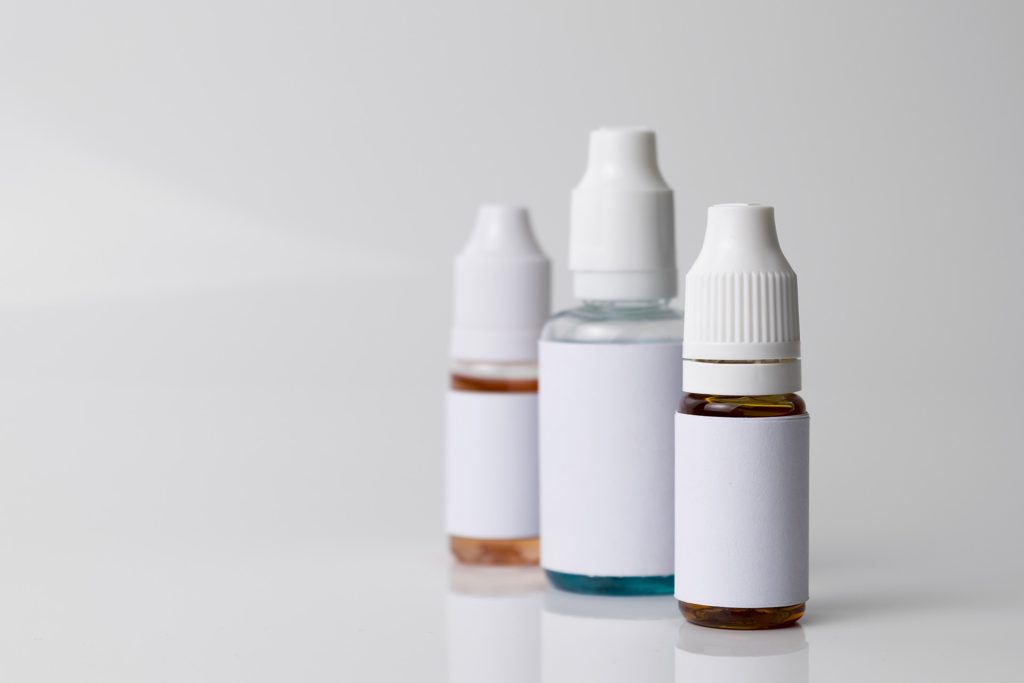
Who needs approval: manufacturers, importers, and brand owners
Here’s where many businesses get confused. The rules apply differently depending on how you bring your products to market. So let’s break the three main cases down clearly.
If you manufacture your own liquid
If you produce vaping liquid in the UK, the obligation sits squarely with you. You must hold HMRC approval for both VPD and the Vaping Duty Stamps Scheme before 1 October 2026. From that date, producing on unapproved premises becomes an offence, and that includes mixing non-duty-paid liquids. You also calculate and pay the duty, and you attach a duty stamp to every retail pack before release. And if you want to store stock before the duty is paid, that storage site needs approval for duty suspension too.
If you import finished products
If you import finished vaping products, you carry the duty liability. From 1 October 2026, you can’t import an overseas manufacturer’s products without duty stamps attached. The one exception is stock going straight into HMRC-approved duty-suspension premises. Overseas manufacturers must appoint an approved UK representative to order and apply those stamps. In practice, that representative is often the importer. So if you import, you either need approval yourself or a clear, approved route to get stamps on your products first.
If you use a third-party manufacturer
Here’s where many brand owners feel unsure. If you own the brand but outsource production to a UK manufacturer, the production approval usually sits with that manufacturer, not with you. In other words, you rely on your manufacturer’s approval to reach the market compliantly. That makes one question business-critical: is your manufacturer approved, or on track to be? If they’re stuck in the queue, so are you. Your exact obligations still depend on your setup, such as who owns the stock and who releases it. So it’s worth confirming your position with HMRC or an adviser. As a rule, though, the right partner carries the heavy compliance load for you.
The VPD timeline you should know
The rules roll out in clear stages, and each one tightens the window. Here’s what HMRC has confirmed.
- 1 April 2026 — Approval and registration open. You need approval before you can buy stamps, produce or import duty-paid stock, or file returns.
- 1 April – 31 August 2026 — Transitional duty stamps carry physical security features only, and approved businesses can buy them.
- From September 2026 — Duty stamps gain digital features for traceability.
- 1 October 2026 — VPD applies at £2.20 per 10ml, and retail packs must carry a duty stamp.
- 1 April 2027 — The sell-through period for older stock ends, so every product outside duty suspension must carry a duty stamp.
Notice the squeeze. Approval opened in April, but it isn’t instant, and the duty bites in October. With a 45-working-day minimum, every week you delay eats into your margin for error.

What VPD means for your costs and margins
The duty itself is simple to state but significant to absorb. From October 2026, every 10ml of e-liquid carries £2.20 in duty, whatever the nicotine strength. So a 100ml shortfill, for example, attracts £22 in duty before you add production, packaging, and margin.
That reshapes your pricing, your cash flow, and your stock planning all at once. Therefore, the businesses that model it early can adjust formats, pack sizes, and price points calmly. By contrast, those that leave it late tend to react under pressure and erode their own margins.
How Xyfil helps you get ready
This is where a prepared partner makes the difference. Xyfil is a UK manufacturer and producer of e-liquids, nicotine salts, CBD, and personal care products, and we’ve supported hundreds of UK brands. Like every UK producer, we’re preparing for VPD and working through the approval process, so we know the requirements inside out.
Our GMP and ISO-certified facilities produce up millions of products every month across ISO 7 clean rooms. That scale lets us absorb demand smaller operators simply cannot. Need bottling for an existing range, or a brand built from scratch? Our white label service moves you from idea to shelf quickly.
Compliance is where many brands stumble, so we made it a strength. Our 6-stage compliance process keeps you aligned with UK, EU, and Middle East requirements, and our team lives and breathes traceability and testing. And we’ve been here before keeping up with the regulation changes and moving to adapt to ensure our partners don’t feel the pinch. So we turn the VPD transition into a managed, predictable plan.
What to do right now
You don’t need to solve everything today. You do, however, need to act on the step with the longest lead time. Here’s a simple order of priority.
- First, work out which category you fall into. Do you manufacture, import, or outsource? Your obligations flow from that answer.
- Second, if you make or import yourself, apply for approval as soon as you can, because the 45-working-day clock won’t wait.
- Third, consider whether you need to carry all of that yourself. If you manufacture in-house or import finished stock, you have another option. You can lighten the load by moving production to a UK contract manufacturer. Hand production to a partner like Xyfil, and the heavy lifting shifts across with it. The premises approval, the duty sums, the stamping, and the record-keeping become your manufacturer’s job, not yours. So a daunting compliance checklist becomes one managed relationship.
- Fourth, if you outsource, ask your manufacturer a direct question. Are you approved, or on track for approval before October?
- Fifth, map your products against the stamp timeline so nothing stalls at the final hurdle.

Talk to Xyfil about your VPD readiness
The 45-day bottleneck is coming, but it doesn’t have to catch you out. With the right partner and a clear plan, the VPD transition becomes just another well-run project.
Get in touch with Xyfil to talk through your route to 1 October 2026. The earlier you start, the smoother your transition.
Frequently asked questions
What is the 45-day VPD bottleneck?
It’s HMRC’s approval window. Before you can produce, import, stamp, or release duty-paid vaping products, HMRC must approve you first. That takes at least 45 working days, sometimes longer. Apply too close to 1 October 2026, and your approval may not come through in time.
Who needs HMRC approval?
UK manufacturers, importers, and warehousekeepers all need approval to keep trading under VPD. Overseas manufacturers must appoint an approved UK representative, who is often the importer.
I use a third-party manufacturer, so do I need my own approval?
Usually, the production approval and duty stamping sit with your manufacturer. So a pure brand owner often doesn’t need their own producer approval. It does depend on your arrangement, such as who owns and releases the stock, so confirm your position with HMRC or an adviser.
When does Vaping Products Duty start?
VPD applies from 1 October 2026 at £2.20 per 10ml of e-liquid, nicotine or not. Approval opened on 1 April 2026, and every product outside duty suspension must carry a duty stamp by 1 April 2027.