Vaping Products Duty doesn't just add a line to your costs. It adds a whole job. Approval, returns, stamps, storage, records — someone has to run all of it, every month, without slipping. So the real question for a brand owner isn't only "what does the duty cost?" It's "who's going to carry the work?"
Here's what that work actually looks like — and what you stop carrying when a managed partner takes it on.
The admin VPD quietly hands you
Go it alone, and this list becomes your day job.
Approval. You apply to HMRC and wait — potentially upwards of 45 working days — before you can lawfully release stock.
Monthly returns. You calculate the duty, file on time, and pay on time, month after month. Miss a deadline and penalties follow.
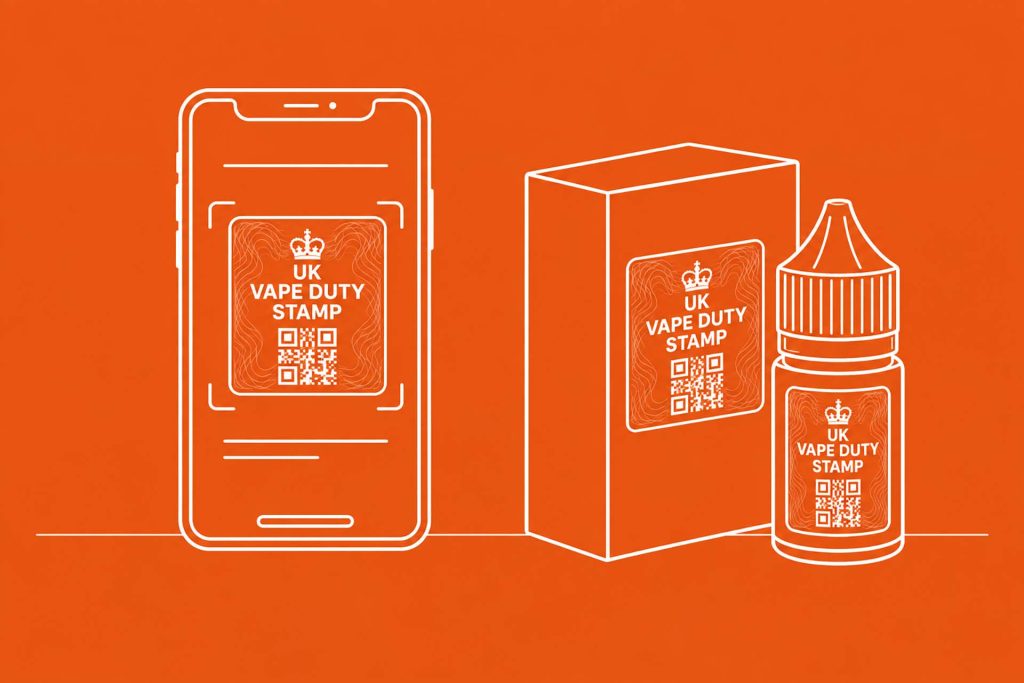
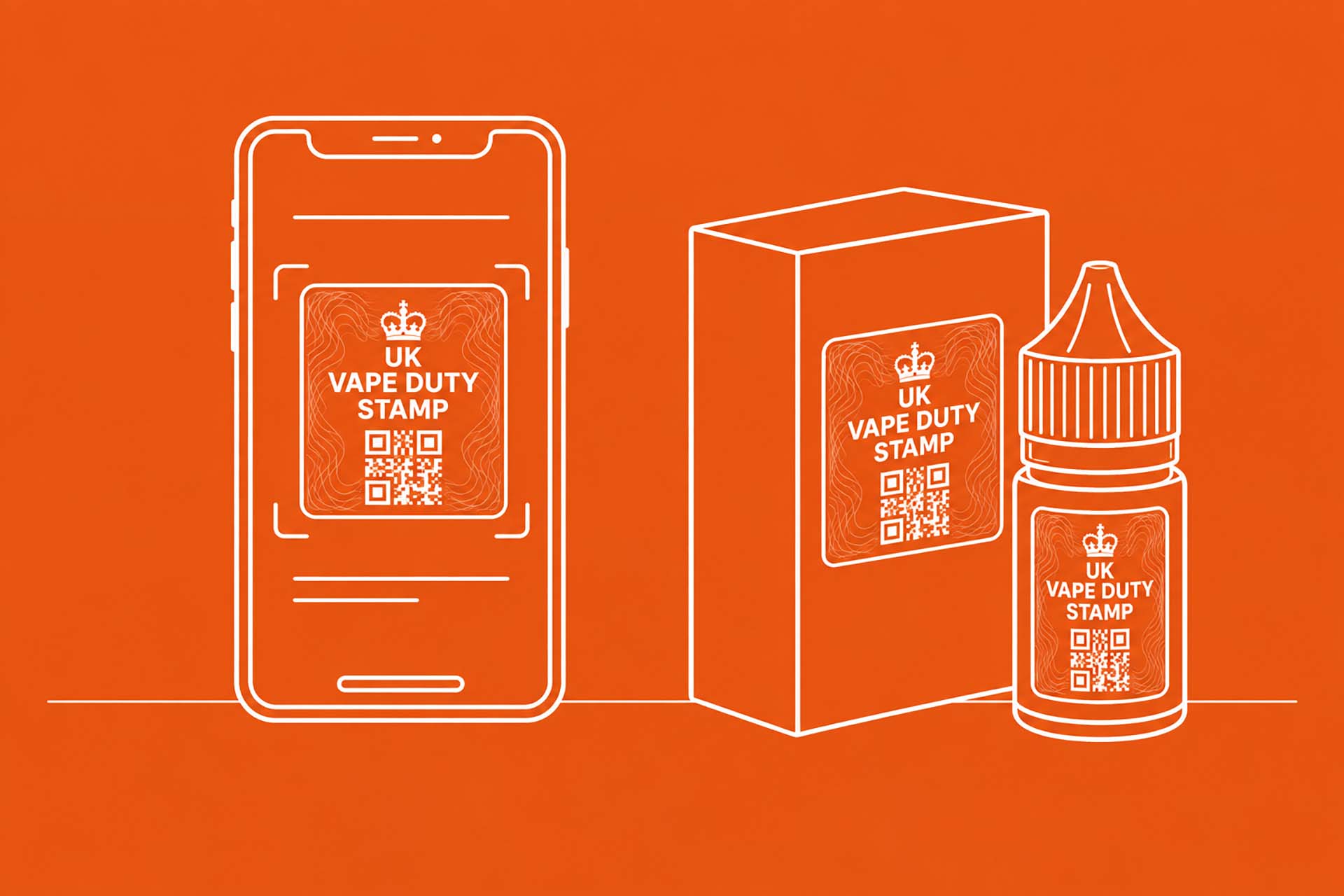
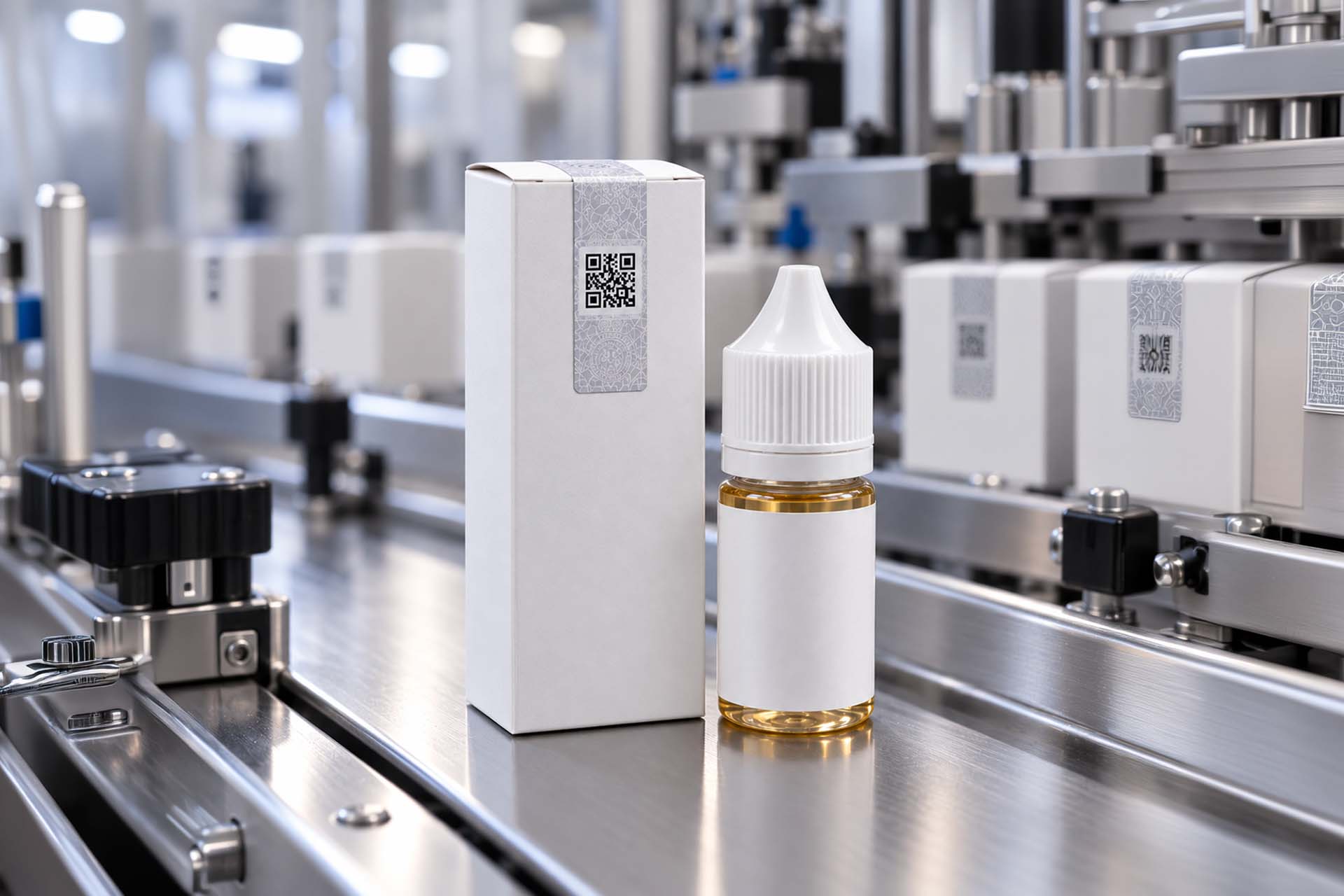
Duty stamps. You buy them from the appointed supplier, affix them correctly, and handle the scanning and records that come with the digital ones.
Duty-suspended storage. You either pay the duty up front, or you arrange approved storage so the duty waits until release.
Audit trails. You keep detailed records of every batch, every movement, and every stamp — ready for HMRC to inspect.
Precision on fill. Because duty tracks volume, every millilitre of over-fill is duty you've simply thrown away.
None of it is optional. All of it takes time, systems, and people. And every hour spent on excise admin is an hour not spent growing your brand.
What a managed partner absorbs
Now flip it. When you manufacture with a partner built for this, most of that list stops being yours.
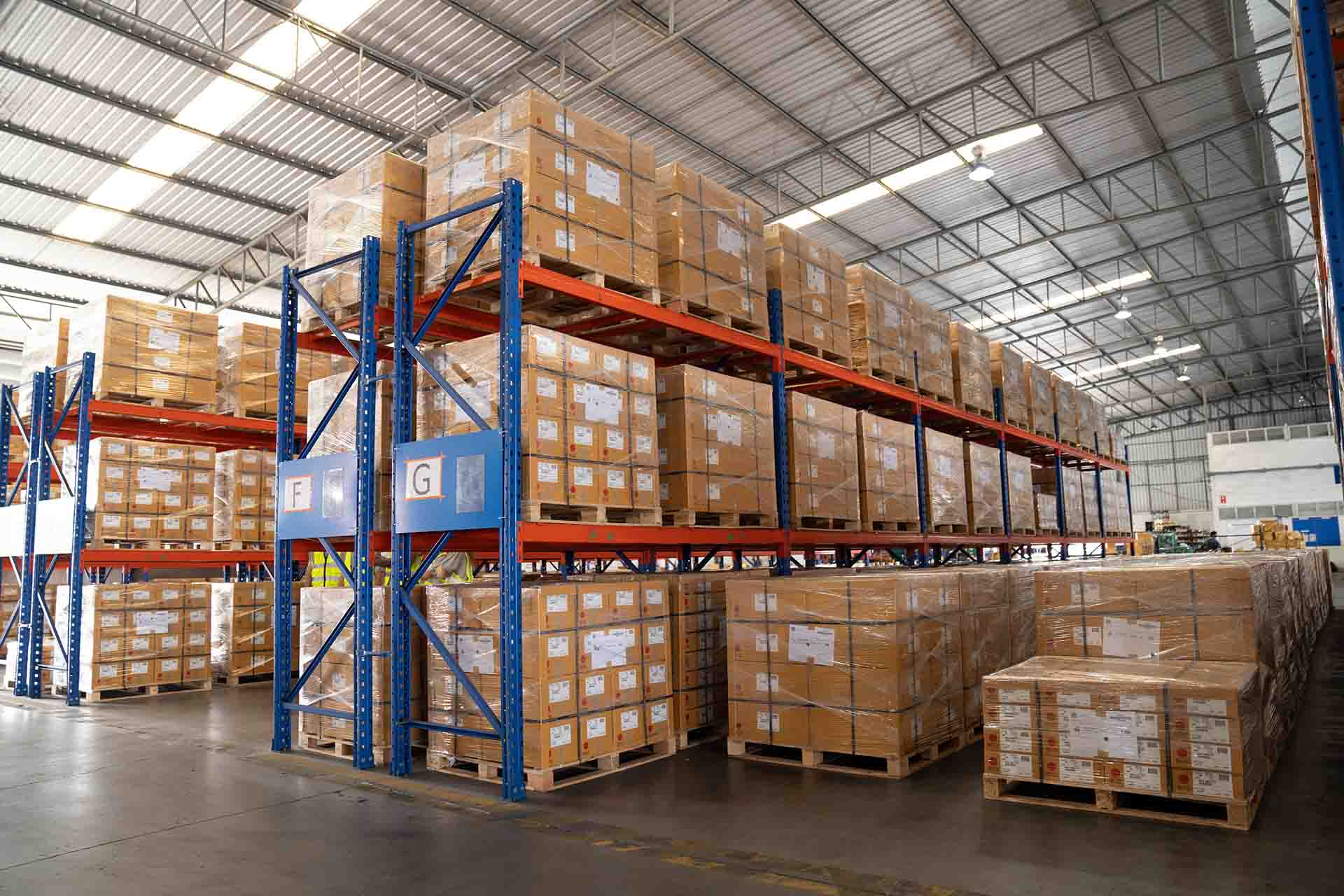
We hold your stock in our approved bonded warehouse, so it sits duty-suspended until it ships. We run the batch tracking and the audit trails HMRC expects. We handle the stamps and the precision filling that stops duty leaking through waste. In short, the excise machinery becomes our problem, not yours.
That's the idea behind "give us your headache." You keep the parts of the business only you can do — the brand, the range, the customers. We take the parts that are pure operational drag.
Over a decade of doing exactly this
We've manufactured for hundreds of UK brands since 2014. So the systems that VPD now demands — records, storage, quality control, precise filling — aren't new to us. They're what we already run, every day, at scale. VPD simply adds a new layer, and we've built for that layer too.
That experience matters most in the moments that go wrong. A missed return, a mislabelled batch, a stamp error — each is a small crisis for a brand handling it alone. For a partner who does this daily, it's just process.
We said we'd tell you when it landed
We always said we'd be straight about where our approval stood. So here it is, confirmed in writing. Xyfil now holds HMRC approval for Vaping Products Duty, alongside our approved bonded warehouse. We can produce lawfully, hold your stock duty-suspended, and release it duty-paid as it ships.
That matters more than it sounds. Approval isn't quick — anyone applying now waits at least 45 working days before they can release stock. Partner with us and you skip that queue. You're not starting from zero.
Ready to hand it over?
If the VPD admin already feels like a second job, that's the signal. Let us show you which parts of it you can simply put down.
The single most common Vaping Products Duty question we hear from brand owners is a simple one: "Do I need HMRC approval, or does my manufacturer handle that?" It's a fair thing to ask. And the answer decides who carries the risk on 1 October. So let's clear it up properly.
First, the rule HMRC actually applies
Approval follows the activity, not the name on the bottle. HMRC approves the business that manufactures, imports, or holds the stock — not simply whoever sells it to consumers. So your obligation depends entirely on how your product reaches the market.
One date makes this urgent. From 1 October 2026, it's against the law to manufacture vaping liquid in premises HMRC hasn't approved. That even includes mixing non-duty-paid liquids to make a finished product. In other words, "producing" is defined broadly, and unapproved production simply isn't allowed.
Three routes, three very different obligations
Most brands fall into one of three groups. Find yours below.
If you manufacture your own liquid
Then the obligation is yours, full stop. You apply to HMRC for approval, you buy and affix duty stamps, you file returns, and you carry the compliance day to day. There's no way to hand that off while you run your own production.
If you import finished e-liquid
Then you're liable for the duty, and you must register. And if you act as the UK representative for an overseas manufacturer, that responsibility sits squarely with you. Importing doesn't sidestep approval — it simply changes which approval you need.
If you use a UK manufacturer
Here the load gets lighter. When a UK manufacturer produces and releases your stock as the approved producer, the production-approval obligation sits with them, not with you. You still own your brand's side — your labelling, your records, and your choice of a genuinely approved partner. But you don't have to hold producer approval yourself.
What happens if you're not approved
The answer is simple, and it's serious. Without approval, you can't lawfully release duty-paid stock. You can't buy duty stamps either. And you can't manufacture in unapproved premises. Put those together, and the result is stark: no lawful route to market on 1 October.
Timing makes it sharper still. Approval isn't instant — HMRC warns it can take upwards of 45 working days. So if you apply late, you could sit unable to trade while the clock runs down. That's the real deadline hiding behind the headline one.
The quiet risk for outsourced brands
Even if you outsource everything, one duty stays with you: choosing a partner who is genuinely approved. If your manufacturer isn't approved in time, their problem quickly becomes your empty shelves. So the question isn't only "do I need approval?" It's also "can I prove my manufacturer has it?"
That's a fair thing to ask any supplier directly. A partner who can't answer clearly is a partner who leaves you exposed.
Where we fit in
We're HMRC-approved for VPD, so we can carry the production burden for the brands we manufacture for. That's the whole point of a managed partner. You focus on building your brand, while your manufacturer handles the approval, the stamps, the returns, and the stock.
So if you're not sure which of the three routes you're on — or whether your current setup leaves a gap — let's talk it through before the 45-working-day window makes the decision for you.
With October approaching, plenty of brand owners share the same instinct: build up stock now, before the duty lands. It feels sensible. Get ahead of the deadline, fill the warehouse, and ride out the change. Yet that instinct hides a trap — and the trap has a number on it. That number is £2.20.
Here's the problem in one line. Vaping Products Duty is volume-based, so a stockpiled warehouse turns that small-looking rate into a very large bill you pay long before your stock sells. Let's walk through why.
£2.20 looks small. At volume, it isn't.
From 1 October 2026, VPD adds £2.20 per 10ml to every UK e-liquid. That works out at 22p per millilitre. It applies whether your liquid carries 20mg of nicotine or none at all, because the duty tracks volume, not strength.
On a single bottle, the rate feels minor. Across a production run, though, it stacks up fast. A 2ml pod carries 44p in duty. A 10ml bottle carries £2.20. Multiply either by a warehouse full of stock, and the total climbs into six figures quickly. So the rate isn't really the threat. The volume is.
A full warehouse is a committed duty bill
Now picture the stockpiling plan in practice. You forecast a strong Q4. You produce a big run ahead of October. Then you hold it, finished and ready to ship.
Here's the catch. To keep finished, duty-paid stock sitting ready, you have already paid the duty. Say you build 500,000 2ml pods. At 44p each, that's £220,000 in duty — committed before a single pod reaches a customer. Your cash has left the business. Your stock, meanwhile, has not.
That's the trap. A stockpiled warehouse doesn't just hold product. It holds a tax bill you've already settled, on goods that haven't earned a penny yet.
Volume-based duty punishes the wrong stock
The trap bites hardest on slow movers. Think it through. You pay to store that stock. On top of that, you've fronted the duty on it. So a line that sells slowly costs you twice — once in storage, and once in duty you paid months too early.
Fast-selling lines recover quickly. Slow ones simply sit there, tying up cash you could spend on marketing, new formats, or your next launch. In short, the more you stockpile, the more working capital you freeze.
The duty point is your way out
Now for the good news. VPD doesn't attach to stock the moment it exists. Instead, it attaches at a trigger called the duty point. For most brands, that trigger fires when finished liquid leaves duty suspension for sale in the UK.
That single detail changes everything. If your stock waits in a duty-suspended state, the duty waits with it. You stop paying tax ahead of sales, and the bill starts to track your shipments instead. So the smart move isn't to stockpile duty-paid stock. It's to hold your stock so the duty falls due as you sell.
Two ways to hold stock without the trap
A managed manufacturing partner can hold your stock in a state that defers the duty point. In practice, there are two routes.
Route one: a bonded warehouse
Produce your full run, then hold the finished stock in a bonded warehouse. It sits duty-suspended until it ships. Order 20,000 units, release 10,000 to meet real orders, and duty falls due on those 10,000 — not on the full run. The remaining 10,000 simply wait in bond until you need them.
Better still, any stock you export or destroy under bond never attracts UK duty at all. So you only ever pay duty on what genuinely enters the UK market.
Route two: component form
Sometimes you don't need finished stock yet. In that case, a manufacturer can hold your ingredients — flavour concentrate, base and nicotine — stored separately. Unblended, they aren't vaping liquid, so they carry no duty. They are then blended and package to order, so the duty applies only on the volume you release.
Either way, your duty bill follows your sales rather than your production schedule.
This is timing, not a loophole
Let's be clear on one point, because it really matters. Neither route reduces the duty you owe on stock sold in the UK. If all your held stock eventually ships to UK customers, the total duty ends up exactly the same. You've simply paid it as you sold, not before.
That distinction is what keeps you safe. "Avoiding the duty" isn't a strategy — it's a fast route to a difficult HMRC conversation. Protecting your working capital by lining the duty point up with your sales, on the other hand, is completely legitimate. That's precisely what a bonded warehouse and component-form storage are built to do.
One more compliance detail is worth knowing. Once you package products for retail, HMRC allows just one move in duty suspension. Further movements trigger the duty early, so movement planning matters — another reason to lean on a partner who handles this every day.
Questions to ask before you fill a warehouse
Before you commit to a stockpiling plan, or to any manufacturer, put these questions on the table:
If I hold finished stock, is it duty-suspended in an approved bonded warehouse — or am I paying duty up front?
Can you hold my stock in component form and blend to order?
How do you plan stock movements so I don't trigger the duty early?
What batch tracking and audit trails will I get for HMRC?
Clear answers protect your cash. Vague ones leave you carrying the risk.
See your own number before October
Every brand's exposure looks different, because formats, volumes and release schedules all shift the maths. So before you build a single extra pallet, model your position first. Our VPD calculator shows what a stockpiled run would cost you up front — and what changes when the duty tracks your shipments instead.
On 1 October 2026, Vaping Products Dutygoes live at 22p per ml - that's £2.20 per 10ml bottle of e-liquid. Alongside it, the Vaping Duty Stamps Scheme changes how vaping products are made, marked, and released. Every business in the supply chain needs to be ready.
But before any of that, one step comes first. To make, import, stamp, or release duty-paid vaping products, you need HMRC approval. And that approval takes time. HMRC warns it can take at least 45 working days, and longer if they need more information.
That waiting period is what the industry now calls the 45-day VPD bottleneck. Here’s how the process works, who it applies to, and why the timing matters so much.
What is the 45-day VPD bottleneck?
It’s simpler than it sounds. Approval isn’t automatic, and it isn’t instant. Applications opened on 1 April 2026, and HMRC processes each one in turn. The checks take at least 45 working days. So businesses that apply late risk missing approval before the duty goes live.
Now do the maths. Count back 45 working days from 1 October, and the practical deadline to apply lands in mid-summer, not September. Miss it, and your application may still sit in the queue on go-live day.
The stakes are high, too. Without approval, you cannot lawfully produce, import, or release duty-paid stock. So this isn’t just paperwork. It’s the gate that decides whether you can trade from October.
What the approval process actually involves
HMRC approval is thorough by design. First, you apply as a single legal entity. That means one business, controlled and managed as a single unit for tax purposes. Then you submit a business plan and a plan of your premises, along with your security arrangements and expected volumes.
In some cases, HMRC also asks for a financial guarantee. This is common for newer businesses, or where there’s a history of tax issues. Each request for more detail adds days, so a tidy, complete application moves faster.
Clearly, this isn’t a form you dash off in September. It’s a process that rewards early, careful preparation.
Who needs approval: manufacturers, importers, and brand owners
Here’s where many businesses get confused. The rules apply differently depending on how you bring your products to market. So let’s break the three main cases down clearly.
If you manufacture your own liquid
If you produce vaping liquid in the UK, the obligation sits squarely with you. You must hold HMRC approval for both VPD and the Vaping Duty Stamps Scheme before 1 October 2026. From that date, producing on unapproved premises becomes an offence, and that includes mixing non-duty-paid liquids. You also calculate and pay the duty, and you attach a duty stamp to every retail pack before release. And if you want to store stock before the duty is paid, that storage site needs approval for duty suspension too.
If you import finished products
If you import finished vaping products, you carry the duty liability. From 1 October 2026, you can’t import an overseas manufacturer’s products without duty stamps attached. The one exception is stock going straight into HMRC-approved duty-suspension premises. Overseas manufacturers must appoint an approved UK representative to order and apply those stamps. In practice, that representative is often the importer. So if you import, you either need approval yourself or a clear, approved route to get stamps on your products first.
If you use a third-party manufacturer
Here’s where many brand owners feel unsure. If you own the brand but outsource production to a UK manufacturer, the production approval usually sits with that manufacturer, not with you. In other words, you rely on your manufacturer’s approval to reach the market compliantly. That makes one question business-critical: is your manufacturer approved, or on track to be? If they’re stuck in the queue, so are you. Your exact obligations still depend on your setup, such as who owns the stock and who releases it. So it’s worth confirming your position with HMRC or an adviser. As a rule, though, the right partner carries the heavy compliance load for you.
The VPD timeline you should know
The rules roll out in clear stages, and each one tightens the window. Here’s what HMRC has confirmed.
1 April 2026 — Approval and registration open. You need approval before you can buy stamps, produce or import duty-paid stock, or file returns.
1 April – 31 August 2026 — Transitional duty stamps carry physical security features only, and approved businesses can buy them.
From September 2026 — Duty stamps gain digital features for traceability.
1 October 2026 — VPD applies at £2.20 per 10ml, and retail packs must carry a duty stamp.
1 April 2027 — The sell-through period for older stock ends, so every product outside duty suspension must carry a duty stamp.
Notice the squeeze. Approval opened in April, but it isn’t instant, and the duty bites in October. With a 45-working-day minimum, every week you delay eats into your margin for error.
What VPD means for your costs and margins
The duty itself is simple to state but significant to absorb. From October 2026, every 10ml of e-liquid carries £2.20 in duty, whatever the nicotine strength. So a 100ml shortfill, for example, attracts £22 in duty before you add production, packaging, and margin.
That reshapes your pricing, your cash flow, and your stock planning all at once. Therefore, the businesses that model it early can adjust formats, pack sizes, and price points calmly. By contrast, those that leave it late tend to react under pressure and erode their own margins.
How Xyfil helps you get ready
This is where a prepared partner makes the difference. Xyfil is a UK manufacturer and producer of e-liquids, nicotine salts, CBD, and personal care products, and we’ve supported hundreds of UK brands. Like every UK producer, we’re preparing for VPD and working through the approval process, so we know the requirements inside out.
Our GMP and ISO-certified facilities produce up millions of products every month across ISO 7 clean rooms. That scale lets us absorb demand smaller operators simply cannot. Need bottling for an existing range, or a brand built from scratch? Our white label servicemoves you from idea to shelf quickly.
Compliance is where many brands stumble, so we made it a strength. Our 6-stage compliance process keeps you aligned with UK, EU, and Middle East requirements, and our team lives and breathes traceability and testing. And we've been here before keeping up with the regulation changes and moving to adapt to ensure our partners don't feel the pinch. So we turn the VPD transition into a managed, predictable plan.
What to do right now
You don’t need to solve everything today. You do, however, need to act on the step with the longest lead time. Here’s a simple order of priority.
First, work out which category you fall into. Do you manufacture, import, or outsource? Your obligations flow from that answer.
Second, if you make or import yourself, apply for approval as soon as you can, because the 45-working-day clock won’t wait.
Third, consider whether you need to carry all of that yourself. If you manufacture in-house or import finished stock, you have another option. You can lighten the load by moving production to a UK contract manufacturer. Hand production to a partner like Xyfil, and the heavy lifting shifts across with it. The premises approval, the duty sums, the stamping, and the record-keeping become your manufacturer’s job, not yours. So a daunting compliance checklist becomes one managed relationship.
Fourth, if you outsource, ask your manufacturer a direct question. Are you approved, or on track for approval before October?
Fifth, map your products against the stamp timeline so nothing stalls at the final hurdle.
Talk to Xyfil about your VPD readiness
The 45-day bottleneck is coming, but it doesn’t have to catch you out. With the right partner and a clear plan, the VPD transition becomes just another well-run project.
Get in touch with Xyfilto talk through your route to 1 October 2026. The earlier you start, the smoother your transition.
Frequently asked questions
What is the 45-day VPD bottleneck?
It’s HMRC’s approval window. Before you can produce, import, stamp, or release duty-paid vaping products, HMRC must approve you first. That takes at least 45 working days, sometimes longer. Apply too close to 1 October 2026, and your approval may not come through in time.
Who needs HMRC approval?
UK manufacturers, importers, and warehousekeepers all need approval to keep trading under VPD. Overseas manufacturers must appoint an approved UK representative, who is often the importer.
I use a third-party manufacturer, so do I need my own approval?
Usually, the production approval and duty stamping sit with your manufacturer. So a pure brand owner often doesn’t need their own producer approval. It does depend on your arrangement, such as who owns and releases the stock, so confirm your position with HMRC or an adviser.
When does Vaping Products Duty start?
VPD applies from 1 October 2026 at £2.20 per 10ml of e-liquid, nicotine or not. Approval opened on 1 April 2026, and every product outside duty suspension must carry a duty stamp by 1 April 2027.
The clock matters more than usual this year. On 1 October 2026, Vaping Products Duty (VPD) lands at £2.20 per 10ml. It applies to every millilitre of liquid, whatever the strength. So zero-nicotine shortfills and 20mg nic salts now carry identical duty.
That single change reshapes production planning. Worse, it exposes a question many brand owners have avoided: is your current manufacturer actually built to grow with you?
In this article, we walk through five signs that your manufacturer may be holding you back. We also explain why the VPD deadline turns a "someday" problem into a "this quarter" one.
First, the deadline you can't ignore
HMRC opened duty approvals on 1 April 2026. Crucially, the checks take at least 45 working days. Retail packs then need a physical duty stamp from 1 October, with full enforcement from April 2027.
Read that timeline again. A manufacturer that starts late cannot simply catch up. As a result, your route to market now depends on the right partner. They are already approved, already stamp-ready, and already planning fill sizes around the new duty.
So the real question is simple. Does your manufacturer move first, or do they wait for you to chase?
Sign 1: You've outgrown them
You launched with small batches. Now you need real volume, and the answers get vaguer. Lead times stretch. "Maybe next quarter" creeps into every call.
A growth partner thinks differently. They flex from a 10ml sample run to millions of finished units without drama. In short, your ceiling should never be their ceiling.
Sign 2: Compliance is a grey area, not a guarantee
Ask where your liquid is made. You should get a straight answer in one sentence. Think UK production, ISO 7 clean room standards, a genuine GMP process, and full testing.
When that answer wanders, your brand inherits the risk. Recalls, seizures, and duty-stamp errors all land on your label, not theirs. With VPD approaching, that exposure only grows.
Sign 3: You're always the one chasing
You email once. Then you email again. Eventually, someone replies.
Sound familiar? Poor communication feels minor until a launch slips. Then it costs you shelf space, cash flow, and confidence. A strong partner updates you before you have to ask.
Sign 4: They can't move with the market
The market keeps shifting. The disposable ban rewrote product formats. VPD is now pushing fill sizes toward smaller bottles and pods. Meanwhile, nicotine pouches keep growing fast.
Your manufacturer should help you ride these shifts, not anchor you to last year's range. If a new format feels impossible, that hesitation is a warning sign in itself.
Sign 5: Every new idea becomes a problem
A new flavour. A faster turnaround. A fresh format for a retailer pitch.
Ideas like these should excite your manufacturer. Too often, though, they trigger excuses instead. The right team treats your next idea as the work, not an inconvenience.
What a real growth partner looks like
At Xyfil, we built our operation around one belief: when our customers grow, we grow with them. So we make and test everything here in Preston, under UK standards, with capacity that scales as you do.
We have helped hundreds of UK brands move from first batch to full scale. Some arrived with a single recipe. Others arrived mid-crisis, days from a stockout. In both cases, the fix started with the same thing — a manufacturer that moves first.
Right now, "moving first" means VPD readiness. So ask any potential partner three direct questions. Are you HMRC-approved? Are you ready for duty stamps on 1 October? Have you adjusted fill sizes for the new duty?
If the answers come back confident, you have a partner. If they stall, you have your sign.
The clock is the point
Most manufacturing problems can wait. This one cannot. The 45-day approval window and the October stamp deadline turn delay into lost sales.
So treat these five signs as a checklist, not a think-piece. Score your current manufacturer honestly. If two or more land, start a conversation now while the timeline still favours you.
We are happy to be that conversation. Book a free consultation, and we will tell you plainly whether Xyfil is the right fit. No pressure, no jargon — just a clear answer before the deadline decides for you. Get in touch today.
The nicotine landscape is shifting. As more consumers move away from traditional tobacco and even vaping, the "smokeless" revolution is firmly taking hold. At the heart of this movement are nicotine pouches—discreet, tobacco-free, and rapidly becoming the go-to alternative across the UK and Europe.
For brands, this represents a massive opportunity. But here’s the reality: the journey from a brilliant brand concept to a pouch that sits on a retail shelf is paved with regulatory hurdles, manufacturing complexities, and high consumer expectations.
If you’re looking to launch or scale, your choice of a contract manufacturer isn’t just a line item on a budget—it is the foundation of your brand’s survival. Here is what you need to look for in a partner and why Xyfil is uniquely positioned to lead the way.
What Should a Brand Look for in a Nicotine Pouch Manufacturer?
In an industry that is increasingly under the microscope of regulators like the MHRA, "good enough" manufacturing no longer cuts it. To build a brand that lasts, you need to prioritise four key pillars:
1. Compliance and "Duty Ready" Expertise
The UK regulatory environment is evolving. Between TPD/TRPR requirements and the upcoming 2026 Nicotine Duty, you need a partner who doesn't just react to changes but anticipates them. Brands are looking towards diversifying their ranges and we are here to help.
The Xyfil Edge: We manage the "regulatory headache" for you. From CLP labeling and Safety Data Sheets (SDS) to full TPD notifications, we ensure your product is legal before it ever leaves our facility.
2. Pharmaceutical-Grade Quality Standards
Consistency is the hallmark of a premium pouch. Consumers expect the same nicotine hit and flavour profile in every single can. This requires high-level blending technology (like V-blenders) to ensure nicotine is distributed evenly, preventing "hot spots" that can ruin the user experience.
The Xyfil Edge: We operate out of a state-of-the-art 40,000 sq. ft. facility featuring ISO 7 Cleanrooms. We apply the same rigorous standards to pouches as we do to pharmaceutical-grade e-liquids.
3. Bespoke R&D and Flavour Artistry
The market is already crowded with "standard" mint and citrus flavours. To stand out, you need a unique "hit" and a signature taste. This requires a deep understanding of pH levels, which control how nicotine is absorbed, and flavour chemistry.
The Xyfil Edge: Our in-house team of chemists and mixologists doesn’t do "off-the-shelf." We work with you to craft bespoke formulations that reflect your brand’s identity, ensuring your pouches offer the perfect balance of flavour and satisfaction.
4. Domestic Reliability and Speed to Market
In the post-Brexit world, importing from overseas often means dealing with shipping delays, customs volatility, and high carbon footprints. A domestic UK partner allows for "Just-In-Time" inventory, keeping your cash flow healthy and your shelves stocked.
The Xyfil Edge: By manufacturing right here in the UK, we eliminate import tariffs and significantly reduce "vape miles," making your supply chain more sustainable and responsive.
The Xyfil Process: From Concept to Shelf
We don’t just manufacture; we partner. Our end-to-end solution is designed to take the weight off your shoulders so you can focus on marketing and growth.
Discovery & Strategy: We start by defining your target audience. Are you aiming for a high-strength "kick" or a mellow, all-day pouch?
Formulation & Sampling: Our lab creates samples using pharmaceutical-grade nicotine salts, refining the moisture levels and pouch soft-feel until they are perfect.
Compliance & Testing: While we manufacture, our compliance team handles the paperwork, ensuring you are fully notified and ready for the UK and European markets.
High-Speed Production: Our automated lines are built for scale, ensuring that whether you’re a boutique startup or a global leader, your lead times remain short and your quality stays high.
Why Partner with Xyfil?
With experience helping over 360 global brands launch and scale, Xyfil isn't just a manufacturer—we are an industry benchmark. Our advanced ERP systems provide 100% traceability for every batch of raw material, providing the transparency required for HMRC compliance and consumer trust.
The nicotine pouch market is growing, but it is also tightening. Don't leave your brand's future to chance with an overseas supplier who doesn't understand the nuances of the UK market.
Ready to lead the smokeless revolution? Let’s build something together. Contact Xyfil today to discuss your white-label or contract manufacturing needs and take the first step toward a market-leading product.
In the rapidly evolving landscape of 2026, the UK vape and wellness industry is undergoing its most significant shift in a decade. With the introduction of the Vaping Products Duty and mandatory HMRC Duty Stamps, the gap between "standard" and "reputable" manufacturers has become a canyon.
If you are looking to launch or scale an e-liquid, nicotine pouch, or CBD brand, your choice of manufacturing partner is no longer just about the "juice"—it’s about the security of your entire supply chain.
Where to Find Reputable UK Manufacturers
Finding a partner used to involve a simple Google search or a visit to a trade show. In 2026, finding a reputable manufacturer requires a deep dive into their regulatory readiness. Reputable manufacturers aren't just in industrial parks; they are at the forefront of HMRC and MHRA policy.
What to Look Out For: The "Big Three" Compliance Pillars
Whether you are manufacturing e-liquids, oral nicotine, or CBD, your partner must demonstrate excellence in these three areas:
1. The HMRC "Duty Ready" Status (Essential for 2026)
As of October 1st, 2026, all vaping products must carry a Vaping Duty Stamp.
Registration: Did your manufacturer register during the April 2026 window?
Duty Suspense: Can they manufacture and store products in "duty suspense" to help you manage cash flow, or will you be hit with the £2.20 per 10ml tax immediately upon production?
Security: Reputable manufacturers must have HMRC-approved premises with rigorous access control and digital traceability.
2. Cleanroom Standards & Analytical Testing
"Pharmaceutical grade" shouldn't be a buzzword; it should be a certification.
ISO 7 Cleanrooms: This is the industry standard for preventing cross-contamination.
In-House HPLC Testing: A reputable lab doesn't just trust their supplier; they test every batch of nicotine, CBD, and flavourings in-house to ensure the mg/ml on the bottle matches the liquid inside.
3. Sector-Specific Expertise
E-Liquids: Look for automated, high-speed bottling lines. Manual filling is a red flag for inconsistency.
Nicotine Pouches: This requires specialized "V-blender" tech to ensure nicotine is distributed evenly. In 2026, look for manufacturers ahead of the Tobacco and Vapes Bill regarding flavour descriptors.
CBD: Ensure they are aligned with the FSA Novel Foods public list and can provide a "Molecular Equivalence Certificate" for isolates.
Why Xyfil is the UK’s Leading Manufacturing Partner
At Xyfil, we don't just react to the market; we anticipate it. With over 10 years of experience and more than 360 global brands launched, we have built the most robust manufacturing ecosystem in the UK.
1. The Financial Buffer for Your Brand
The new 2026 Vaping Products Duty creates a "working capital crisis" for many brands. Xyfil’s "As-Needed Manufacturing" model allows you to hold stock in component form (un-taxed) and only move to finished, duty-paid goods as you need them. This protects your cash flow from being tied up in HMRC tax stamps sitting on a shelf.
2. End-to-End Compliance Leadership
We take the "regulatory headache" away. Our in-house compliance team handles:
MHRA / TPD Notifications: Full submission management.
Global CLP Compliance: Ensuring your brand can jump from the UK to international markets without friction.
3. Award-Winning R&D and Flavour Artistry
Compliance is the foundation, but flavour is the soul. Our world-class flavourists create bespoke profiles using European Pharmaceutical-grade ingredients. Whether you want a signature "iced" fruit or a complex nicotine pouch blend, we deliver excellence that wins awards.
The Verdict: Don't Risk a "Compliance Blackout"
The 2026 transition period is unforgiving. Choosing a manufacturer that isn't ready for the new Duty Stamp regime could result in seized stock, fines, and the total shutdown of your brand.
Xyfil is more than a manufacturer; we are your strategic partner in a regulated world.
Ready to Future-Proof Your Brand?
The October 2026 deadline is closer than it looks, and the structural changes required for compliant packaging and formulations take time.
Contact Xyfil Today to book a duty-readiness consultation and tour our ISO-accredited UK facilities. Let’s build your brand’s future together.
In the fast-moving world of product manufacturing, the difference between a successful launch and a supply chain bottleneck often comes down to one thing: precision. Whether you are a household name or an emerging brand, your choice of a liquid filling partner is a critical decision.
While Xyfil’s heritage is rooted in the high-stakes world of e-liquid production, our capabilities have expanded far beyond the vape tank. Today, our Preston-based facility serves as a premier hub for liquid filling services in the UK, catering to a vast array of industries that require pharmaceutical-grade accuracy and massive scalability.
From CBD oils to premium cosmetic serums and specialised non-edible liquids, here is how Xyfil’s manufacturing infrastructure can take your brand to the next level.
Versatile Filling Capabilities: More Than Just E-Liquids
The UK manufacturing landscape is evolving, and brands are increasingly looking for partners who can handle diverse product lines under one roof. At Xyfil, we have engineered our production lines to be highly adaptable, handling various viscosities and bottle formats with ease.
Nicotine & Tobacco Alternatives
We remain at the forefront of the nicotine industry, offering high-speed filling for 10ml TPD-compliant bottles, shortfills (60ml to 120ml), and nicotine shots. Our systems are designed for high output, ensuring that even the largest orders are met with rapid turnaround times.
CBD & Wellness Oils
Consistency is everything in the wellness sector. We provide precision dosing for CBD drops, tinctures, and specialised hemp-based oils. Our processes ensure that every bottle contains the exact milligram of active ingredients specified, protecting both your brand and your customers.
Personal Care & Cosmetics
The beauty and skincare industry requires a delicate touch. Our lines are capable of filling non-edible cosmetic products such as facial serums, beard oils, and topical treatments. We handle the "thin-to-thick" viscosity spectrum, ensuring that even dense creams or oils flow perfectly without clogging or contamination.
The Gold Standard: ISO 7 Cleanrooms & GMP Compliance
When you choose a UK manufacturer, you aren't just looking for a facility; you are looking for a standard of quality. At Xyfil, we operate under strict Good Manufacturing Practices (GMP) and utilise ISO 7 cleanrooms.
Why does this matter for your brand?
Purity: Our controlled environments eliminate airborne particulates, ensuring that your liquid remains pure from the mixing tank to the final bottle.
Traceability: We maintain 100% batch traceability. In the event of a query, we can track every single ingredient back to its source and every bottle back to its production run.
Safety: Operating in a GMP-certified facility means your products meet the highest safety standards, making it easier for you to pass audits and enter international markets.
Scalability and the "Just-In-Time" Model
The modern market doesn't wait. Brands today need to be agile, responding to sudden spikes in demand without being weighed down by massive amounts of "dead" stock.
Xyfil’s facility is designed for high-volume scalability.
We have the infrastructure to manage massive production runs, but we also specialise in Just-In-Time (JIT) manufacturing. By partnering with us, you can keep your cash flow healthy by producing only what you need, when you need it, backed by the reliability of a domestic UK supply chain. This is ideal for helping combat the upcoming vaping products duty tax in the UK.
Specialist Non-Edible Liquids: Bespoke Solutions
Beyond our core sectors, Xyfil offers bespoke filling services for a wide variety of non-edible liquids. Our chemical-resistant equipment and specialised filling heads allow us to work with unique formulations that other manufacturers may shy away from.
Whether you are developing:
Household cleaning agents
Technical fragrances or room scents
Specialist industrial lubricants
Bespoke chemical solutions
Our team has the technical expertise to advise on the best bottle materials (PET, glass, or metal) and closure systems to ensure your product is stable, safe, and shelf-ready. If it’s a non-edible liquid and it needs a bottle, we have the solution.
End-to-End Toll Manufacturing
We don't just fill bottles; we offer a comprehensive Toll Manufacturing service. This means we can act as an extension of your own business, handling:
Formulation & Blending: Our in-house chemists can help refine your recipe.
Automated Labelling: Precise application of labels with integrated batch coding and expiry dating.
Compliance Support: Navigating the complex world of UK and international regulations.
Global Logistics: Taking your product from our floor to your distributor's door.
Partner with Xyfil: Let’s Build Your Brand Together
Choosing a liquid filling service in the UK is about finding a partner you can trust with your brand’s reputation. At Xyfil, we combine pharmaceutical-grade precision with the speed and flexibility of modern manufacturing. As a registered BCMPA member, you can trust Xyfil to deliver high-quality services and products.
Whether you are looking to pivot your product range, scale your output, or enter a new market with a non-edible liquid product, our team is ready to help.
Ready to streamline your production? Contact us today for a bespoke consultation on how our liquid filling capabilities can support your growth. Our experts are on hand to discuss your specific requirements, from viscosity challenges to high-volume logistics.
In the competitive world of e-liquid manufacturing, consistency is everything. For vapers, flavour is more than just a preference — it’s an expectation. They return to their favourite brand because they trust that every bottle will taste, feel, and perform exactly the same as the last.
For manufacturers, achieving that level of reliability requires precision at every stage of production. Even the smallest variation — a slightly different flavour strength, a marginally altered viscosity, or a subtle shift in colour — can undermine brand confidence.
Let’s explore what causes batch variation, how to prevent it, and how Xyfil ensures every product meets the highest standards of flavour and quality.
Understanding Batch Variation in E-Liquid Manufacturing
Batch variation refers to small differences between production runs of the same e-liquid — changes that might affect flavour, vapour production, or throat hit.
These variations can stem from a range of factors:
Ingredient inconsistencies (such as flavour concentrates or nicotine strength)
Environmental conditions like temperature and humidity
Equipment calibration that drifts over time
Human error during measurement or mixing
For consumers, even a subtle difference can feel noticeable. For brands, this can lead to product returns, compliance concerns, or reputational harm — making consistency not just desirable, but essential.
Precision Ingredient Management
Consistency starts with control. High-quality, traceable ingredients form the foundation of every reliable e-liquid.
At Xyfil, we work exclusively with trusted suppliers who meet strict purity standards for PG, VG, flavour concentrates, and nicotine. But quality sourcing is only the beginning — accurate measurement and controlled storage are equally vital.
Precise weighing systems, climate-controlled ingredient storage, and batch-coded traceability ensure every blend starts from a consistent base. That’s the first step toward flavour uniformity.
Standardising the Mixing Process
The mixing stage is where the magic happens — and where variation can easily creep in. To maintain uniformity, standardisation is key.
Every stage of the mixing process should be guided by detailed Standard Operating Procedures (SOPs) that define quantities, timings, and environmental conditions.
Automated blending systems help minimise human error and ensure ingredients are mixed evenly. Meanwhile, monitoring temperature and humidity helps maintain stability, ensuring that the same formulation produces the same result every time.
Equipment Calibration and Maintenance
Consistency also depends on the tools behind the process. Even the most advanced filling or blending machines can produce discrepancies if not properly calibrated.
Regular maintenance schedules and calibration logs are essential for ensuring equipment accuracy. At Xyfil, digital monitoring systems and automated calibration checks are part of our routine — ensuring every component of the production line performs exactly as intended.
When machinery performs predictably, the results follow suit.
Quality Control and Analytical Testing
Quality control is where consistency becomes measurable. Every batch should undergo rigorous testing before it reaches market — not just for compliance, but for flavour fidelity.
This includes checking:
Flavour profile consistency against reference samples
Nicotine strength and accuracy
Viscosity and colour uniformity
Vapour production performance
Beyond sensory testing, analytical tools such as Gas Chromatography-Mass Spectrometry (GC-MS) can verify the chemical consistency of flavour compounds. At Xyfil, these processes ensure every product that leaves our facility meets both regulatory and sensory expectations.
Data Tracking and Traceability
Every successful manufacturer knows that traceability is the backbone of quality assurance. From raw ingredients to final bottling, data tracking allows for full visibility of each batch’s journey.
Advanced batch tracking systems record ingredient sources, mixing data, and test results — making it possible to trace and identify even the smallest anomaly.
This not only supports quality control but also empowers proactive problem-solving. If trends begin to emerge, corrective measures can be implemented long before they affect a customer’s experience.
Staff Training and a Culture of Quality
Technology and process control are powerful, but people remain central to quality. Every team member involved in production must understand how their role impacts consistency.
Regular training, process audits, and a company-wide quality mindset ensure everyone works toward the same goal — delivering a flawless product every time. At Xyfil, this focus on people and process helps us maintain precision at scale.
How Xyfil Ensures Flavour and Quality Consistency
Consistency isn’t left to chance at Xyfil. Our integrated quality assurance systems are built into every stage of production — from ingredient sourcing to final packaging.
We combine:
Automated blending and filling technologies
Precision calibration and data tracking systems
In-house analytical testing
A robust quality management framework
The result? Every batch reflects the same commitment to flavour accuracy, smoothness, and reliability — ensuring your customers get exactly what they expect, every time.
Conclusion: Consistency Is a Competitive Advantage
In the vaping industry, consistency isn’t just a technical achievement — it’s a brand promise. Consumers reward reliability with loyalty, and brands that deliver uniform flavour and quality stand out in a competitive market.
By prioritising precision, process control, and testing, you’re not just reducing variation — you’re strengthening your brand’s identity and trustworthiness.
At Xyfil, we help our partners achieve this standard of excellence through advanced manufacturing, rigorous testing, and an unwavering focus on quality. Because when every bottle performs perfectly, your brand reputation grows stronger with every puff.
When a consumer picks up a bottle of E-liquid, they see the finished product: a sleek design, an inviting flavour, and the promise of a smooth vape. But behind every bottle lies a detailed journey of research, innovation, compliance, and precision.
For brand owners, understanding this journey isn’t just interesting—it’s crucial. It highlights the level of care and expertise required to bring a flavour from an initial idea to a product that’s ready for the shelves. At Xyfil, we guide brands through every step of this process. Here’s a look at how it happens.
Concept & Market Research
Every great E-liquid begins with an idea. But in today’s competitive market, it’s not enough to follow instinct alone. Trends shift quickly, and consumers expect fresh, innovative options.
That’s why we begin with market research. By analysing flavour trends, seasonal demands, and regional preferences, we identify opportunities for our partners. Sometimes that means spotting the next big dessert flavour, other times it’s about refreshing a classic beverage profile. Collaborating with brand owners ensures that the flavour concept not only resonates with the market but also reflects the brand’s unique identity.
Flavour Development in the Lab
Once the concept is clear, it moves into the hands of flavour chemists. This is where science meets creativity.
Developing an E-liquid is about balance. Chemists work with flavour layers—top, middle, and base notes—to create a profile that delivers on taste and performs well in vaping devices. Factors such as coil technology, vapour production, and mouthfeel all influence the development process. The goal is to create a flavour that is bold, consistent, and enjoyable from the first inhale to the last.
Prototyping & Refinement
With the first formulation complete, prototypes are produced in small batches. This stage is all about refinement. Each recipe is carefully adjusted to ensure flavour accuracy, smoothness, and reliability across devices.
Brand owners are kept closely involved in this stage, giving them the opportunity to guide tweaks and align the final flavour with their vision. It’s a collaborative process that ensures the end result feels true to the brand story while also meeting technical performance standards.
Compliance & Safety Testing
In an industry where regulations vary across regions, compliance is non-negotiable. Before any product can reach the market, it must pass a series of rigorous checks.
Our compliance team ensures every formulation undergoes toxicology reviews, emissions testing, and restricted substance screening. From the UK’s TPD requirements to broader global standards, we manage the complex documentation and submissions so brand owners can launch with confidence.
This stage is about more than ticking boxes—it’s about guaranteeing safety and building trust with consumers.
Scaling Up: Manufacturing & Quality Control
Once approved, the flavour is ready for full-scale production. This is where our facilities step in, moving from small-scale prototypes to mixing, filling, and bottling lines capable of handling large volumes without compromising quality.
At every step, strict quality control checks are in place. From raw ingredient sourcing to the final sealed bottle, consistency is monitored and maintained. The aim is simple: every consumer should experience the same flavour and quality in every puff, no matter when or where they purchase the product.
Packaging & Branding
A great flavour deserves packaging that tells its story. This stage is where concept meets design, creating bottles and boxes that catch the eye while staying compliant with all labelling requirements.
For a dessert range, packaging might evoke indulgence and warmth. For a beverage range, it might lean toward freshness and energy. Whatever the brand vision, our in-house teams help align packaging with flavour identity—ensuring that what’s inside the bottle is reflected on the outside too.
Logistics & Distribution
The final step is ensuring the product reaches the right hands safely and efficiently. From storage and transport to navigating customs regulations in different regions, logistics plays a crucial role in keeping supply chains smooth.
By managing the details of packaging durability, shipping restrictions, and global distribution, we help brand owners avoid bottlenecks and keep their products moving seamlessly from production floor to consumer.
How Xyfil Supports Every Step
At Xyfil, we don’t just manufacture—we partner with brands. Our full-service approach means we’re with you from concept to completion, offering flavour development, compliance expertise, large-scale manufacturing, and packaging design all under one roof.
Whether you’re launching a new range or scaling an established one, our expertise ensures your journey from lab to bottle is efficient, compliant, and ready to capture consumer attention.
Conclusion: More Than Just a Bottle
The life cycle of an E-liquid is complex, but every stage plays a part in creating products that stand out, stay compliant, and deliver consistent quality. For brand owners, having a trusted manufacturing partner makes all the difference.
At Xyfil, we turn ideas into market-ready products—helping you focus on building your brand while we take care of the science, compliance, and production. Contact us today to get started.
We use cookies on our website to give you the most relevant experience by remembering your preferences and repeat visits. By clicking “Accept All”, you consent to the use of ALL the cookies. However, you may visit "Cookie Settings" to provide a controlled consent.
This website uses cookies to improve your experience while you navigate through the website. Out of these, the cookies that are categorized as necessary are stored on your browser as they are essential for the working of basic functionalities of the website. We also use third-party cookies that help us analyze and understand how you use this website. These cookies will be stored in your browser only with your consent. You also have the option to opt-out of these cookies. But opting out of some of these cookies may affect your browsing experience.
Necessary cookies are absolutely essential for the website to function properly. These cookies ensure basic functionalities and security features of the website, anonymously.
Cookie
Duration
Description
cookielawinfo-checkbox-analytics
11 months
This cookie is set by GDPR Cookie Consent plugin. The cookie is used to store the user consent for the cookies in the category "Analytics".
cookielawinfo-checkbox-functional
11 months
The cookie is set by GDPR cookie consent to record the user consent for the cookies in the category "Functional".
cookielawinfo-checkbox-necessary
11 months
This cookie is set by GDPR Cookie Consent plugin. The cookies is used to store the user consent for the cookies in the category "Necessary".
cookielawinfo-checkbox-others
11 months
This cookie is set by GDPR Cookie Consent plugin. The cookie is used to store the user consent for the cookies in the category "Other.
cookielawinfo-checkbox-performance
11 months
This cookie is set by GDPR Cookie Consent plugin. The cookie is used to store the user consent for the cookies in the category "Performance".
viewed_cookie_policy
11 months
The cookie is set by the GDPR Cookie Consent plugin and is used to store whether or not user has consented to the use of cookies. It does not store any personal data.
Functional cookies help to perform certain functionalities like sharing the content of the website on social media platforms, collect feedbacks, and other third-party features.
Performance cookies are used to understand and analyze the key performance indexes of the website which helps in delivering a better user experience for the visitors.
Analytical cookies are used to understand how visitors interact with the website. These cookies help provide information on metrics the number of visitors, bounce rate, traffic source, etc.
Advertisement cookies are used to provide visitors with relevant ads and marketing campaigns. These cookies track visitors across websites and collect information to provide customized ads.