Category Archives: Regulations

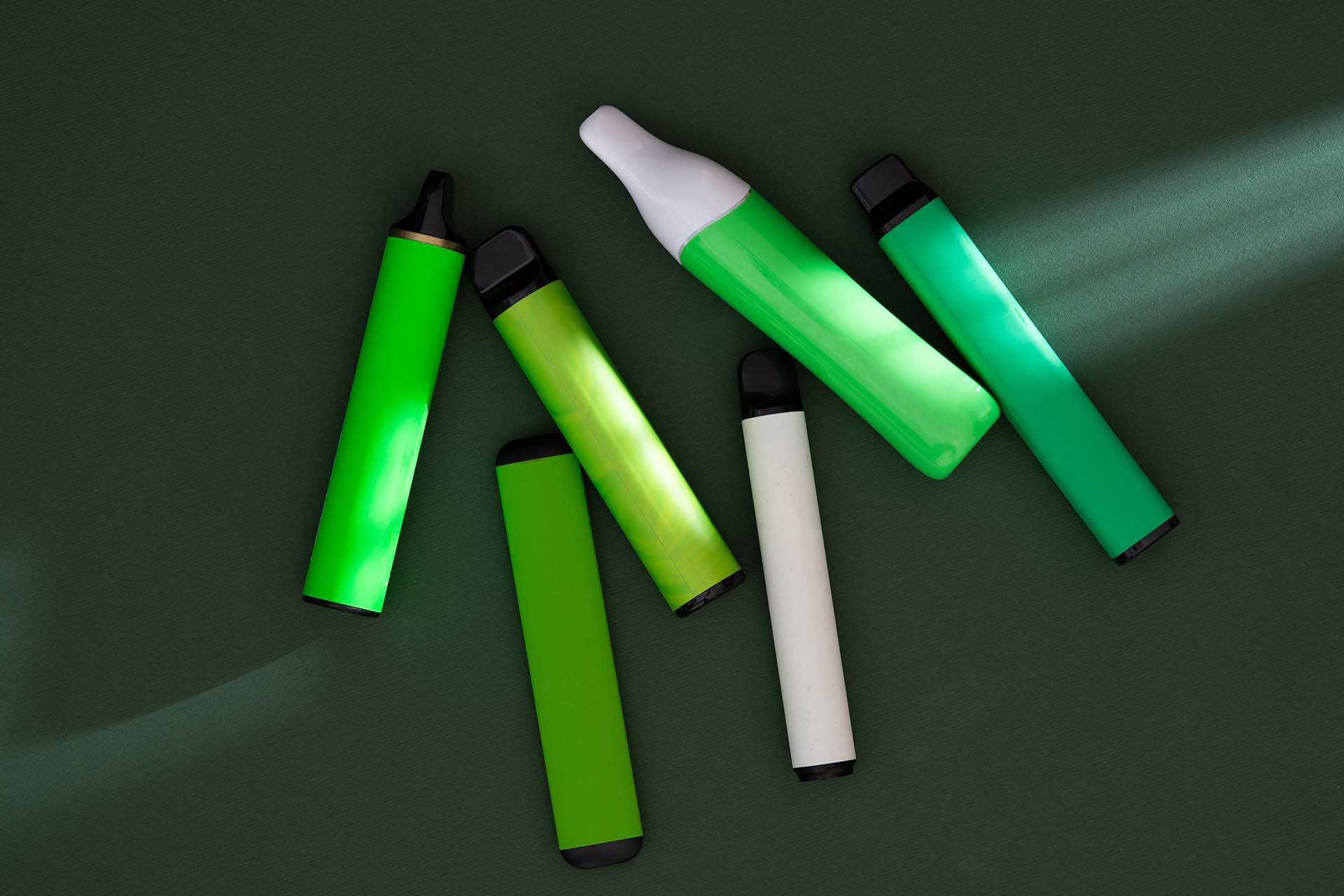
Disposable Vapes Banned In France: Where Next?

The vaping industry is constantly evolving due to changing regulations based on new research and shifts in public opinion. These regulations differ greatly around the world, reflecting the unique values, health priorities, and regulatory frameworks of each country.

Navigating the global vaping regulatory landscape can be complicated and ever-changing, leading to heated debates on how to best address public health concerns, consumer preferences, and environmental impacts.

France joins several other countries in banning disposable vapes

France has taken a stand against underage vaping by announcing plans to ban the sale of disposable vapes. The government's decision is driven by concerns about the increasing trend of young people vaping.

Proponents of the ban believe that by making disposable vapes less accessible and appealing to younger consumers, they can help combat this issue. However, critics argue that such a ban may not address the root cause of underage vaping and could instead push the problem into unregulated parts of the market.

Why are countries banning disposables?

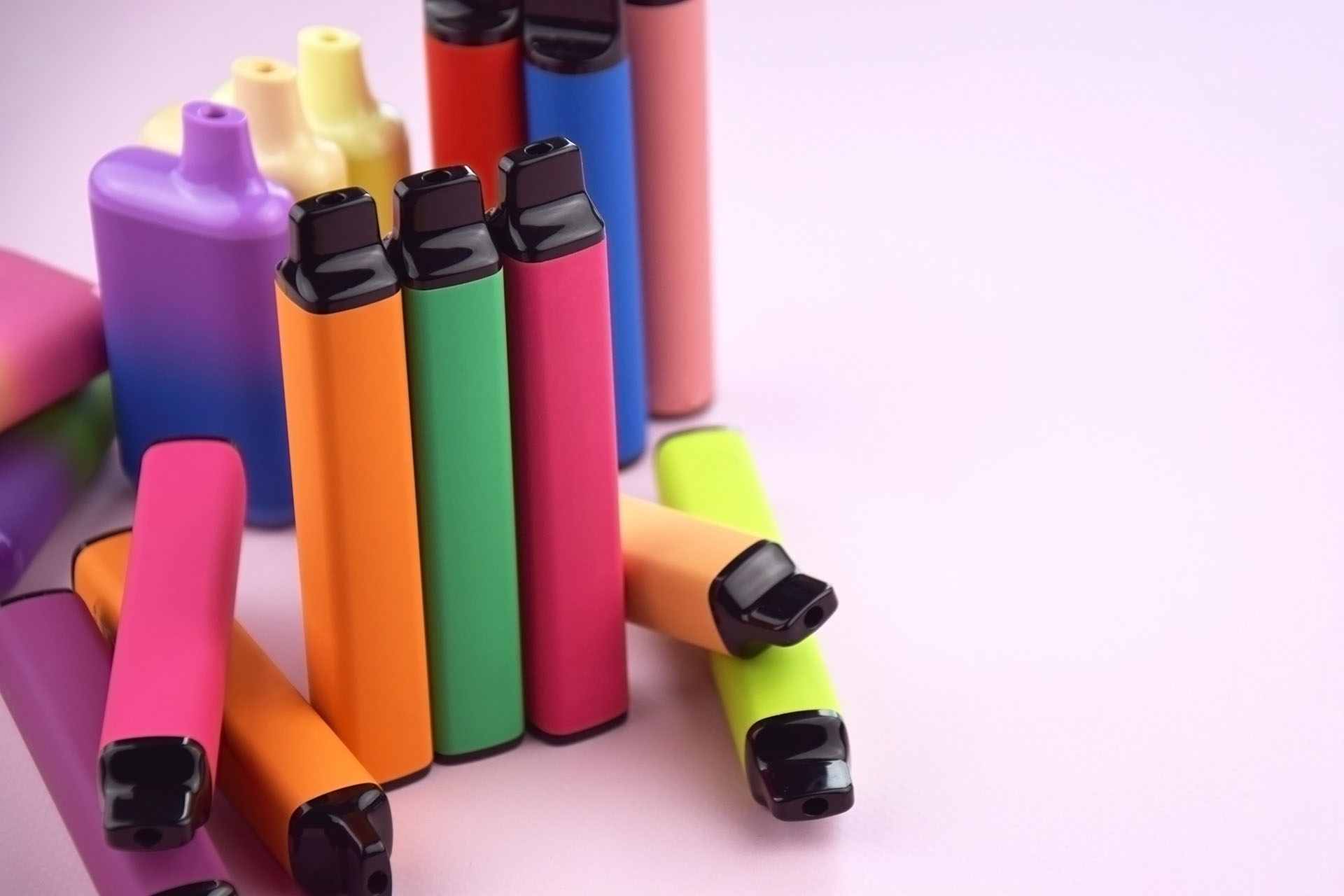
Countries worldwide, such as New Zealand, Australia, and Germany, have led the charge in prohibiting disposable vapes. The driving force behind this global movement is the concern that easily accessible and affordable disposable vapes are particularly appealing to younger individuals, leading to an increase in underage vaping.

However, it should be noted that disposables serve a valuable purpose for smokers who want to quit. The convenience and affordability of these products make them ideal for first-time vapers who are trying to give up cigarettes. With their relatively low cost and ease of use, they offer a beneficial entry point for smokers who are uncertain about transitioning to vaping. Despite these advantages, the future of disposables remains uncertain as more countries consider banning them.

Calls in the UK for a Disposable Vape Ban

The UK is embroiled in a heated debate over whether to ban disposable vapes. Concerned ministers and councils are adding their voices to the call for action, citing fears about underage vaping and the environmental impact of these single-use devices. Scotland has recently suggested that banning disposable vapes would be on the table despite any complaints that may be raised by the UK government.

The growing recognition of the issues surrounding disposable vapes suggests that the UK may soon adopt regulations similar to those in France, Germany, New Zealand, and Australia. However, how exactly the ban would be implemented and its potential effectiveness are still uncertain.

While some countries have already taken steps to curb underage vaping by restricting flavours or names, it remains to be seen how many more will follow suit by banning disposable vapes. The idea of a disposables ban in the UK may be a matter of time rather than a possibility.

Transitioning from Disposables to Sustainable Vaping Solutions

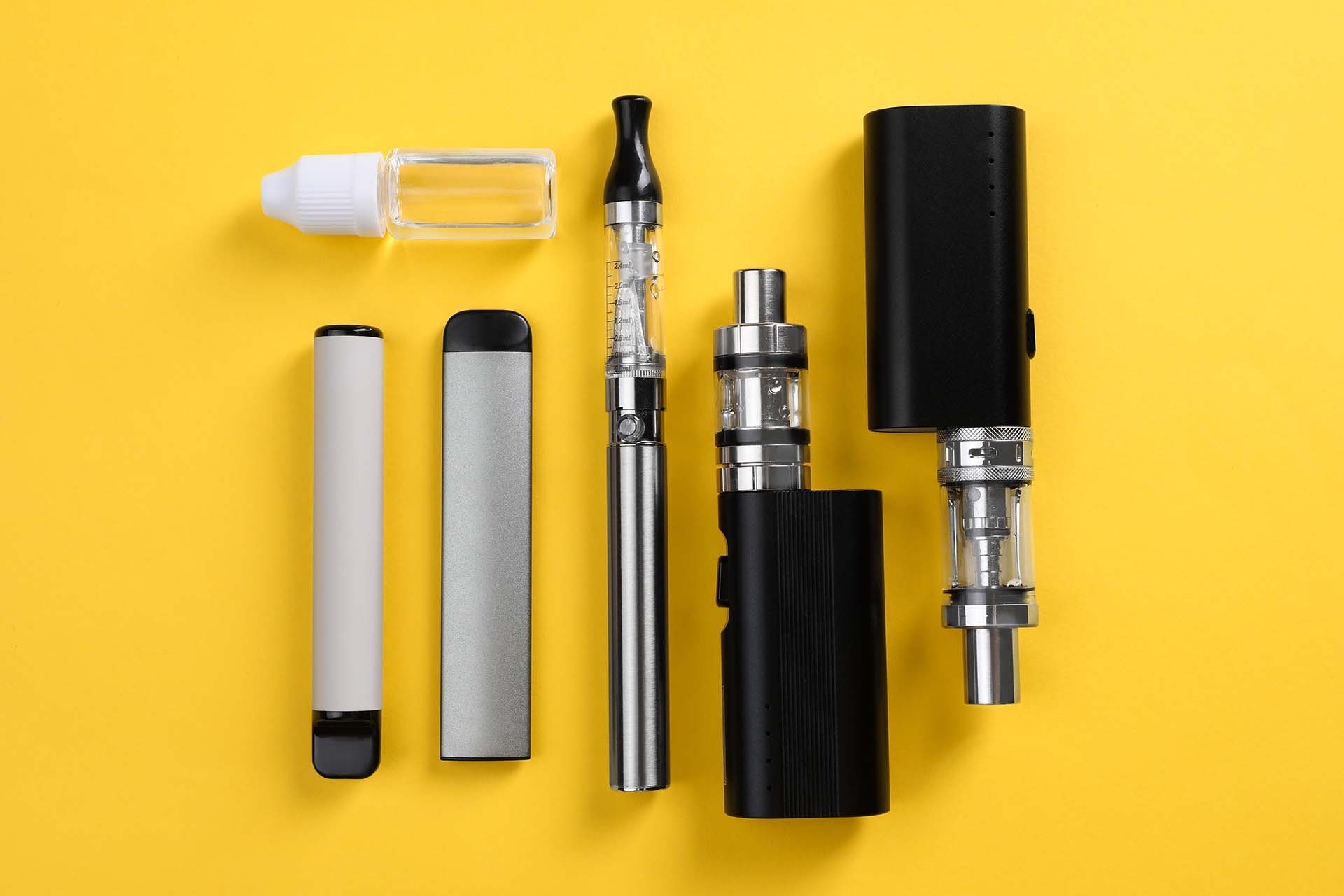
Swapping disposable vapes for more sustainable options, such as E-Liquid bottles and reusable devices, can be an effective way to continue vaping while minimizing environmental impact. Transitioning to a reusable vaping device can be a straightforward process and offers numerous advantages.

Firstly, these devices often provide a higher quality vaping experience, allowing the user to customize the intensity of their vape, and adapt based on their preferences. E-Liquid bottles offer significant flexibility and variety in terms of flavours and nicotine strength.

Furthermore, they represent a more cost-effective approach in the long run compared to the cumulative cost of disposables. Most importantly, by opting for reusable devices and E-Liquid bottles, vapers can significantly reduce waste and contribute to a more sustainable vaping culture. While the initial investment may be higher, the benefits to both the user and our environment make this transition well worth considering.

Moving on from disposable vapes for brand owners

Xyfil offers a comprehensive solution to help brand owners transition their E-Liquid formulas from disposable vapes to high-quality Nic Salts and shortfills. Our team of seasoned professionals can assist at every step of the process, from reformulating your existing E-Liquid to ensure optimal compatibility with Nic Salts and shortfills, to packaging and regulatory compliance.

By leveraging our expertise and state-of-the-art facilities, we can help maintain the flavour profiles your customers love, while offering them a more sustainable and premium vaping experience. Transitioning away from disposables does not mean compromising on quality or customer satisfaction - with Xyfil, you can continue to deliver exceptional products that meet regulatory standards and consumer expectations.

New Zealand’s Revamped Vaping Regulations: What to Know

The world of vaping is dynamic and ever-evolving. Over the past decade, it has grown from a niche habit into a global industry worth billions. As its popularity has surged, so too has the attention of regulators. Across the globe, countries are grappling with how best to regulate this new industry. The balance is a tricky one - ensuring the safety of users and those around them, while also recognizing the role vaping can play in helping people quit smoking.

In Aotearoa New Zealand, the government has recently unveiled a thorough update to its vaping regulations. These regulations, set to roll out by October 2023, reflect the country's commitment to reducing smoking rates and achieving a smokefree goal by 2025, all while navigating the challenges of a rapidly changing industry.

New Zealand's Newest Regulations for Vaping

Soon, the landscape of vaping in New Zealand will undergo significant changes. The recently announced updates to the vaping regulations indicate a balanced approach from the government. They are focused on making vaping safer and more controlled, particularly in relation to underage vaping while continuing to appreciate the potential benefits of vaping for those trying to quit traditional smoking.

These new regulations stipulate that future specialist vape retailers should be situated at least 300 meters away from schools, vaping products should be labelled with generic flavour descriptions, and there are now stricter limits on the allowed nicotine strength in disposable vaping products. Moreover, vaping devices will now be required to have removable batteries and child-safe mechanisms.

The Roadmap for Changes

As New Zealand embarks on an ambitious journey to reshape its vaping landscape, a detailed roadmap has been laid out to ensure a smooth transition. The first part of this transformative journey is the new ruling that all future specialist vape stores must be located at least 300 meters away from schools. This strategic move, set to commence in September, has been designed to protect the younger population from undue exposure to vaping, aligning with the overarching goal of mitigating underage vaping.

The implementation process is expected to be gradual, allowing businesses ample time to adjust to the new norms. For a full roadmap of the changes, you can find them on the government website. But by December 2023, retailers must only sell single-use vaping products that meet Product Safety Requirements (including nicotine limits, removable batteries, child safety mechanisms, and labelling requirements).

How Xyfil Can Help

At Xyfil, we're not just about producing vape products, we're an end-to-end vape manufacturer dedicated to helping our clients navigate the evolving landscape of vaping regulations. With the upcoming changes, it's essential for brands to adapt their product offerings, including labels and packaging, to ensure compliance with New Zealand's new rules.

Our in-house creative studio is equipped with the necessary tools and expertise to help brands make these adjustments smoothly. Through proactive collaboration, our team can work with you to redesign your product labels and packaging, adhering to the new generic flavour description requirement and other regulatory guidelines. With Xyfil by your side, navigating the future of vaping in New Zealand becomes a manageable task, allowing you to focus on delivering high-quality vaping products to your customers.

Navigating CBD Advertising Rules in the UK

In the rapidly expanding world of CBD products, establishing a reputable brand name is paramount. The CBD industry in the UK, as well as in the US and EU, is teeming with competition, making it crucial for businesses to differentiate themselves. While consumer interest is on the rise, propelled by ongoing research into the potential benefits of CBD, businesses must navigate a complex landscape of advertising rules and regulations.

To thrive in such a crowded market, it's crucial to build a brand that not only produces high-quality products but also respects the legal and regulatory framework surrounding the sale and promotion of CBD. Let's delve into the intricacies of creating a reputable CBD brand in the UK, adhering to advertising rules, and fostering a reliable relationship with consumers.

The popularity of CBD in the UK

The popularity of CBD in the UK has surged significantly, mirroring global trends in the CBD industry. Much of this growth stems from increased consumer awareness and acceptance, coupled with a burgeoning body of research highlighting the potential benefits of CBD. In concrete terms, the value of the CBD market in the UK has more than doubled from £314 million in 2019, to an astonishing £690 million in 2021.

This exponential growth signifies a shift in consumer attitudes towards CBD, underscoring its acceptance into the mainstream. This surge not only underscores the potential profitability for CBD manufacturers but also the extensive opportunities that lie ahead in this booming sector. It also goes to show the competition in this industry.

Current rules in place for advertising CBD brands in the UK

In the United Kingdom, the regulation of CBD advertising falls under the purview of several regulatory bodies, most prominently, the Advertising Standards Authority (ASA) and the Food Standards Agency (FSA). CBD products are considered a food supplement and hence, manufacturers are prohibited from making any explicit health claims unless they are licensed as a medical product.

The ASA is stringent about this and has taken action against brands which have violated these guidelines. Moreover, CBD products meant for consumption, such as oils and edibles, must be registered with the FSA as a Novel Food. Complying with these rules ensures that your CBD advertising is both ethical and lawful, enhancing your brand's reputation and trustworthiness in the competitive CBD industry.

Creating your white-label CBD products with Xyfil

When it comes to manufacturing your CBD products, Xyfil offers a comprehensive white-label service that ensures your brand stands out in the crowded CBD industry. We offer end-to-end support, from the initial product development stage through to manufacturing, testing, and compliance. Our rigorous testing protocols guarantee the safety and quality of your products, while our compliance team assists with the necessary Novel Food application process with the FSA.

By partnering with us, you can focus on building your brand and marketing your products, secure in the knowledge that all regulatory aspects of production are taken care of. Partnering with Xyfil means stepping into the CBD industry with confidence and a commitment to excellence.

Conclusion

Navigating the complex landscape of the CBD industry, especially concerning advertising rules and regulations, can be challenging. However, to establish a reputable CBD brand in the UK market, adherence to these norms is non-negotiable. Balancing the promotion of your CBD products while staying within legal boundaries is intrinsic to your brand's integrity and longevity. By prioritizing thorough research, compliance, and quality production, you can elevate your brand above the competition.

Partnering with a reliable manufacturer like Xyfil can ease this journey by taking care of regulatory aspects and ensuring the quality of your products, allowing you to focus on your core mission: to provide consumers with the best CBD experience. As the CBD industry continues to grow and evolve, the brands that prioritize trust, transparency, and quality will undoubtedly lead the way.

Should Vape Shops Require a License to Operate?

Vaping has come leaps and bounds with continued interest and success for smokers looking to quit cigarettes. However, the industry has recently come under scrutiny from MPs and other government agencies in the UK who are concerned about the problem of underage sales and illegal products.

As a result, some have suggested that changes need to be made. Whether this be flavour bans, plain packaging, increased fines or other methods, there is much to discuss. We take a brief look at the latest news and would be grateful to hear your thoughts on this in the comments below.

Current issues facing the vaping industry

Underage vaping, or the sale of vape products to minors, is one of the biggest issues facing the UK industry today. ASH Smokefree has reported its findings on youth vaping which has caused much concern among some parties. It is important that retailers take extra care to ensure that all customers are of legal age before selling them vaping products, as doing so could lead to serious consequences for both the shop and the customer.

Another major issue facing the industry is the availability of illegal or counterfeit vape products on the market. This can pose a serious health risk to users and could also damage a retailer’s reputation.

Suggestions are given to MPs on tackling the issues

Recent news has begun to crop up surrounding the issue of underage vaping in the UK, with many believing it's rapidly growing out of control. Therefore there has been urging by trade companies and charities to instil harsher penalties for selling to underage users, excise duties and tax, and even the potential for retail licenses.

While some are suggesting a move to plain packaging and limiting flavours, a move that has been widely disputed by the vaping industry as detrimental, the UKVIA has suggested licensing could be the best possible solution. The reason is simply that the issue of children accessing vapes has always been that - access. Hopes are that introducing a license for vape retailers, much like that needed for selling alcohol, would help limit underage vaping. The UKVIA also suggested increasing the fines to at least £10,000 for those who are caught flouting the rules.

What can retailers do to help

While an agreement is yet to be met on how this will be handled, there are several steps that retailers can take in order to ensure they are compliant with current regulations. These include:

  • Investing in age-verification tools: Many retailers are now investing in age-verification tools to help them ensure that all customers are of legal age before purchasing vape products. New technology has given rise to apps that can help users correctly age-verify customers by their ID.
  • Rethinking shop layouts: Some shops are also looking at their layout and design, making sure that any displays or signs displaying vaping products are only visible to adults over the age of 18. This includes moving vape products to behind the counter or having designated sections for vaping products.
  • Training for staff: Retailers should also make sure that all staff members receive appropriate training on how to identify underage customers and handle illegal products if they arise. Being aware of the regulations and any legislation changes are key for avoiding issues.

Conclusion

The introduction of a license requirement for vape shops in the UK could have a major impact on the industry, but there are steps that retailers can take to ensure they comply with any regulations that may be introduced. By investing in age-verification tools, rethinking shop layouts and providing appropriate training for staff, retailers can help ensure their businesses are compliant with any new regulations that may be introduced.

Overall, the introduction of a licensing requirement is likely to have a positive effect on the industry, creating a safe and secure environment for both customers and retailers. However, it remains to be seen what regulations may be introduced in the future. Let us know what you think in the comments below.

How Long Does It Take? Registering Vape Products in the UAE

Vaping is becoming increasingly popular in the United Arab Emirates (UAE). As a result, the Ministry of Industrial and Advanced Technology (MoIAT) implemented strict regulations to ensure quality control of all vaping products sold in UAE, formerly regulated by the Emirates Authority for Standardization and Metrology (ESMA).

In this article, you will learn about ESMA's guidelines on registering vape products. We will also briefly cover how they differ from the Tobacco Products Directive (TPD) guidelines in Europe. Additionally, we will discuss how we can help as an E-Liquid manufacturer, ensure your products are compliant with ESMA's standards and successfully register them for sale in the UAE.

UAE guidelines for vape products

The UAE guidelines for vaping products are more stringent than the regulations set forth in TPD. For instance, to ensure the safety and quality control of e-liquids and devices, all products must be registered with the MoIAT prior to being sold in UAE. This includes any new product launches or reformulations of existing products. Guidelines include:

  • maximum nicotine concentration is capped at 20mg/ml
  • maximum tank capacity is no more than 10ml
  • maximum capacity of refill packages is no more than 50ml
  • must display all health warnings in Arabic and English stating: “Contains nicotine which causes severe addiction, increased heart rate and high blood pressure. Nicotine is harmful to the health of pregnant and nursing women, and people suffering from chronic pulmonary diseases such as asthma and pulmonary embolism.” This must cover at least 50% of the main display area. English to appear on the lower front, Arabic on the lower back.
  • must also display a health warning in Arabic and English: “This product may pose a health hazard when inhaled, swallowed or gets in contact with the skin.” 
  • must not contain a variety of harmful ingredients & additives including cinnamic compounds

The process of registering products for sale in UAE

For e-liquids, the registration process typically takes 6-8 weeks to complete, while devices take 10-12 weeks. During this time, manufacturers will be asked to provide detailed information and documents such as:

  • Product label and artwork
  • Product information sheet
  • Ingredients list
  • Test reports/certificates of analysis
  • Compliance statement

In addition, products will be tested to ensure they meet all necessary safety requirements and guidelines. Once you have received the MoIAT/ESMA certification for your products, you can begin selling your vaping products in the UAE. All MoIAT/ESMA products are subject to a 100% excise duty/tax.

It is important to register your vaping products with the MoIAT/ESMA before selling them in UAE, as failure to do so can result in severe penalties and fines. Furthermore, registering your products will help you to ensure that they meet the necessary safety criteria and standards set forth by the MoIAT/ESMA, thus ensuring that your customers are provided with the highest quality products.

How Xyfil can help with compliance and registration

Xyfil simplifies the ESMA product registration process by offering comprehensive services to help manufacturers comply with all regulations and register their products for sale in the UAE. Our team of experts is well-versed in both UAE and EU regulations for those looking to transition or register new products in the Middle East. We provide assistance every step of the way to get your E-Liquids onto the UAE market.

Potential Taxes on Disposable Vapes in the UK

The UK government is currently weighing up the pros and cons of introducing taxation pertaining to the sale of disposable vapes. This has become a matter of pressing concern following recent reports of associated E-Waste, as well as a marked rise in use amongst younger populations. The Department for Health and Social Care (DHSC) has suggested taxation as a way to potentially decrease underage vaping and limit the amount of E-Waste generated by them. In this article, we will explore the possible impact of taxation on disposable vapes in the UK.

Overview of Disposable Vapes

Disposable vapes are electronic cigarettes that are designed to be used one time and then thrown away. They offer a quick and convenient way of smoking, but they also come with a significant amount of waste associated with them. This has sparked alarm amongst certain quarters, leading the UK government to consider potential solutions, including taxation.

Recent reports of associated E-Waste have put the issue in sharp focus. An estimated 1.3 million disposable vapes are thrown away every year in the UK alone, with much of it ending up in landfills or littering streets and waterways. This is concerning as many disposables contain toxic chemicals that can be harmful to humans and the environment.

At the same time, recent studies point to a rise in usage amongst younger populations. This has been attributed to marketing tactics that target young people, as well as the perception of disposables as being less harmful than other forms of smoking. As such, this has spurred on the further discussion about potential solutions, including taxation as an effective tool for curtailing disposable vape usage.

UK Government considers Vape Taxation

In response to these concerns, the UK government is currently exploring potential solutions pertaining to the perceived issues surrounding disposable vapes. This includes examining the possibility of introducing taxation as an effective tool for curbing disposable vape usage.

The Department for Health and Social Care (DHSC) has suggested the introduction of taxation on disposable vapes as a way to potentially decrease underage vaping and limit the amount of E-Waste generated by them. While this is an intriguing potential solution, there are still many factors that need to be taken into consideration when it comes to introducing taxation on disposable vapes.

For example, one must consider the potential cost associated with such a move and its impact on disposable vape manufacturers, disposable vape retailers and disposable vape consumers. It is also important to consider the potential for unforeseen consequences if such a tax is implemented.

Benefits of Taxation on Disposable Vapes

Despite the potential drawbacks, taxation could be an effective tool for curtailing disposable vape usage. One of the main goals of introducing a disposable vape tax would be to make vaping more expensive and thus reduce usage amongst young people. It could also be a tool to limit the amount of disposable vapes that end up in landfills.

In addition, taxation on disposable vapes could be a way to generate revenue for the UK government. This money could then be used to fund initiatives that would help increase disposable vape recycling or fund smoke-free initiatives.

Drawbacks of Taxation on Disposable Vapes

There are, however, some drawbacks to imposing taxation on disposable vapes. One major issue is that it could be costly for disposable vape consumers as the cost of disposable vapes would likely increase. This could lead to people switching to less expensive traditional cigarettes, thus negating any positive effects associated with such a move.

Another potential issue with this type of taxation is the possibility of creating a black market with cheaper un-taxed variations imported from overseas. This in itself can be risky not only to those who use such products, but honest manufacturers and brands.

Ultimately, it is up to the UK government to assess the pros and cons of introducing a disposable vape tax in order to decide if it is an effective tool for curbing disposable vape usage and E-Waste. While taxation could be a viable solution, it is important to consider all the potential implications before implementing such a measure.

In conclusion, disposable vapes have been linked to an increase in reports concerning disposable vape waste, as well as a rise in usage amongst younger populations. This has led to the UK government exploring potential solutions, including taxation, as an effective way of curtailing disposable vape use.

For the vaping industry, a tax introduced onto vaping products could be problematic or help steer brands towards more sustainable forms of vape products. What do you think? Let us know in the comments below.

Australia Considers Toughening Restrictions on Vaping

Despite being the home of one of the world’s toughest restrictions on vaping, the Australian government are considering further tightening. The aim is to crackdown on children accessing E-Cigarettes. But is it creating more harm than good?

The current vaping regulations in Australia

Currently, it is illegal to purchase nicotine-containing E-Liquid, and devices in Australia without a prescription. Each state however regulates issues such as sales, public use, age limits etc.

All states require retailers to be given approval for selling E-Liquid but at this time, none have been granted approval. Similarly, many states allow the sale of nicotine-free E-Cigarettes, but the products cannot claim to help quit or reduce smoking. These include Australian Capital Territory (retailers must have a tobacco license) and Tasmania, Queensland, Victoria and New South Wales have the same rule but sellers don’t require a license.

The proposed changes

The Australian federal government are considering key changes targeting specific areas such as importation rules and tougher labelling laws. A public consultation will be held to cover the four areas:

  • Changes to importation and border control laws required to stop illegal products entering Australia
  • Pre-market assessments of vapes to create a regulated source of products for pharmacists and doctors to prescribe
  • Labelling, advertising and flavouring of vapes that make them attractive to children
  • Stronger identification and regulation of nicotine-containing products

While these are being debated, the health Minister Mark Butler, has announced a ban on menthol cigarettes and other cigarette flavours plus additives.

The public consultation on vaping reforms will be open until the 16th of January.

The AMA (Australian Medical Association) has welcomed the federal government’s plans to tighten tobacco control and calls for the below changes to be made:

  • reducing the concentration limit from 100mg/ml to 20mg/ml, and introducing limits on the flavours and volume of nicotine that can be prescribed or ordered,
  • banning the importation of nicotine vaping products through the Personal Importation Scheme,
  • adding Nicotine Vaping Products to Real Time Prescription Monitoring programs,
  • restricting the use of Medicare smoking cessation items to a patient’s usual doctor, consistent with previous advice provided by the AMA.

Have these regulations really helped?

There’s much to debate with Australia’s already tight regulations on vaping. They clearly haven’t had the impact the government wished as they feel the need to tighten them further. And research has suggested that these changes may have been more detrimental to the smoke-free objective.

A recent study published by the BMJ (British Medical Association) analysed the smoking rates and cigarette consumption in 6 jurisdictions, across different regulatory environments for vaping. These included Alberta, Ontario, Quebec and British Colombia, UK and Australia. It was noted that, unsurprisingly, Australia had lower rates of vaping and a much lower rate of declining smoking rates, in comparison to the other countries.

And other countries are taking note of the failings. CAPHRA (Coalition of Asia Pacific Tobacco Harm Reduction Advocate) have submitted a consultation document to Australia’s Therapeutic Goods Administration (TGA). They believe that Australia’s method of medicalising vaping is failing and that there needs to be open access for smokers looking to quit smoking.

Keep posted on the latest news with Xyfil.

Countries Around the Globe with Vape Flavour Bans

Regulations around vaping change often across the globe, with countries making changes each year, whether for better or worse. It’s important for manufacturers, retailers and brands to be aware of the latest regulatory changes to ensure vaping products remain relevant and compliant.

One such regulatory change that seems to be occurring more frequently, is the ban on flavoured vapes. Many governments have elected to ban flavoured vapes in the hopes of dissuading those who are underage, from vaping. Although research has suggested that flavours play a crucial role for vapers on their quit-smoking journey, there are many countries that have implemented this ban or are planning to do so.

China bans flavoured vapes but not for exports

As of October, the country has become yet another to ban flavoured vapes with plans to only sell tobacco-flavoured vapes. Interestingly though, China has not banned the export of flavoured vapes, only the use within its own country. This began the recent overhaul of vaping regulations in China which include a consumption tax.

China’s ban on flavours stems from the same concern shared by others on the health risks for young people who take up vaping. However, research has noted that flavours other than tobacco, play a part in helping users quit smoking. Perhaps alternatives to flavour bans need to be looked at to help minimise the potential losses of helping smokers quit with vapes.

Other countries that have banned flavoured vapes

Although vaping is legal in these countries, they too have implemented flavour bans on vaping products, limiting them to tobacco with or without the inclusion of mint & menthol. If you are interested in taking your brand to any of the below countries, you will need to tailor your products to the current limitations.

Canada

  • Nova Scotia - tobacco only
  • Ontario – tobacco, mint & menthol (vape stores are allowed stock flavours)
  • Prince Edward Island – tobacco only
  • Quebec (potential) – unconfirmed
  • Saskatchewan – tobacco, mint & menthol

US

  • Colorado (allowed in vape shops & tobacconists, not traditional retail outlets)
  • Connecticut (pending) – unconfirmed
  • Chicago – tobacco only
  • Maine (pending) – unconfirmed
  • Maryland (pending) – unconfirmed
  • Massachusetts – tobacco only
  • Minnesota (only cities Minneapolis, St. Paul and Duluth) – tobacco only
  • Kansas City (pending) – unconfirmed
  • Missoula – tobacco only
  • New Jersey – tobacco only
  • New Mexico (pending) – unconfirmed
  • New York (except for those permitted by the FDA) – tobacco only unless FDA approved
  • Rhode Island – tobacco only
  • Utah (potential) – unconfirmed
  • Vermont (pending) – unconfirmed

EU

  • Lithuania – tobacco only
  • Latvia - tobacco only
  • Finland – tobacco only
  • Estonia – tobacco & menthol
  • Hungary – tobacco only
  • Denmark – tobacco and menthol
  • Netherlands – tobacco only
  • Slovenia – tobacco only
  • Spain - *proposed ban* - potentially will be limited to tobacco & menthol

Other

  • Ukraine – tobacco only
  • China – tobacco only
  • New Zealand (partial flavour ban, only speciality vape shops can sell flavours) – tobacco, mint & menthol unless sold by speciality vape shops.

Create your signature tobacco vape range with Xyfil

Just because these countries have limited their selection to tobacco flavours, with some offering mint & menthol also, doesn’t mean your brand should miss out. Tobacco flavours can be distinct and unique thanks to the wide variety of tobacco brands we can recreate.

Our E-Liquid manufacturing solutions offer premium products and versatile services. Whether you want to opt for white label manufacture or OEM, we can cater to your needs and the regulations of whichever country you wish to resale in. By using our premium, award-winning nicotine salt formula, along with our high-quality tobacco flavours that have gone on to win awards, your brand is in safe hands.

Contact us today to find out how we can help you create the next, best Tobacco range of E-Liquids.

China’s Latest Regulation Changes Include Vaping Tax

New legislation in China has taken effect as of the 1st of November, which continues to change the landscape of the Chinese vaping industry. Last year changes were made that established a need for Chinese E-Cigarette companies, to obtain a license to be able to continue selling to customers.

Along with this change, the requirements and regulations that were introduced triggered a wave of closures, especially in hardware manufacturing. And these new changes could bring even more issues for Chinese vapers and manufacturers.

The new vaping tax implemented in China

On the 1st of November, the Chinese government implemented a new tax on vaping products. This consumption tax includes a 36% tax on the production or import of E-Cigarettes and an 11% tax on wholesale distribution in China. China’s Ministry of Finance has announced that E-Cigarette products will now be a sub-item under the tobacco tax item list.

Companies that have a license from the tobacco monopoly authorities (STMA) to produce E-Liquids, or companies that have obtained/licensed the use of a registered trademark or another company’s E-Cigarette products, will have their consumption tax calculated differently depending on how the products are sold or produced. Similarly, for E-Cigarettes made through an OEM, it is down the company that owns the trademark is liable for the consumption tax.

  • Producers and wholesalers pay tax based on the sales of the production and wholesale of E-Cigarettes. 
  • Companies that sell E-Cigarettes through an agency in the production process must pay tax based on the sales of the distributors or agents to the e-cigarette wholesaler.
  • Importers of E-Cigarettes must pay tax based on the component taxable price.
  • Companies engaged in processing E-Cigarettes in the production cycle must calculate the sales of trademarked e-cigarettes and the sales of OEM e-cigarettes separately; if they are not accounted for separately, they must pay consumption tax together.

Is there a concern about exports? A later announcement clarified that exports of E-Cigarettes are eligible for the tax refund and exemption policy. This means that although the internal Chinese vaping industry is expected to feel the pinch, exports will not see the same treatment.

What is concerning though is the potential for more Chinese E-Cigarette companies to begin struggling to keep up with the added tax. Not to mention the added cost that very likely could be transferred to consumers in China.

These changes come from China’s further clampdowns on vaping products that saw flavoured vapes banned. Having started in October, only tobacco-flavoured vapes are to be sold in China.

Are there any positives from these changes?

One thing is for sure, with the increasing legislation in China, it has begun a crackdown on requirements for E-Cigarettes and vape products in an effort to improve quality. These include regulations on the battery, ceramic coil, nicotine content, and flavours.

What these changes do help is establish a greater baseline for good quality products. Ensuring that vape products meet these criteria could help in reducing the presence of fake disposables and lower-quality E-Liquids that have begun to flood the market.

The largely untapped market of potential vapers

The Chinese vape industry has seen a similar explosion in growth as most of the world these past few years. With a smoking population of around 300 million, China is a prime spot for pushing the quit-smoking journey with the aid of vaping.

And yet the rate of E-Cigarettes usage in China is far behind other countries such as the UK and US; a mere 1.5% compared to 30%. Therefore, there is significant room for expansion but with these latest regulation changes, it may become harder to do so. Only time will tell if more high-quality vaping products will make their way into the Chinese market.

Avoiding Confusion with Nicotine-Free Disposables Legality

Zero-nicotine disposables are growing in popularity, but some stores are worried to stock them.

Disposable vapes are a perfect first step for many vapers as they offer a convenient and simple way to vape. Recently, some brands have branched out into developing 0mg nicotine disposables which provide all the flavour but without nicotine. But there have been reports of retailers being hesitant about stocking these sorts of devices.

Local shops refusing to stock nicotine-free disposables – why the confusion?

It seems there’s been some confusion with nicotine-free vaping products as some stores in the UK show hesitancy with stocking them. BetterRetailing reported that stores were refusing 3,500 puff nicotine-free devices with tank capacities above 2ml. Not all zero-nicotine disposable vapes offer such a high puff count, but many are beginning to do so.

So, why the confusion? By now, most are aware of what is TPD compliant (the UK regulations for vaping products). When it comes to disposable devices, we know that the E-Liquid capacity should be no more than 2ml which means they are usually capped at 600 puffs (650 at a push). And with recent store raids tackling illicit vapes that are not TPD compliant, it’s not hard to see why some stores are turning away these 0mg devices.

However, TPD guidelines are restrictions for nicotine-containing products, and thereby nicotine-free devices are exempt from these rules. Much like how shortfill E-Liquids are exempt from the restrictions which is why they can be larger than 10ml (the max capacity for nicotine-containing E-Liquids). Nicotine-free disposable vapes, if they contain no nicotine whatsoever, are legal in the UK at higher puff counts and capacity.

You can find more information on compliance with disposable devices in the UKVIA's guide.

The pros and cons of zero nicotine disposables

Nicotine-free disposables are yet another part of a vaper’s quit-smoking journey. Although they won’t help with quitting tobacco at the beginning, many vapers find that over time, they lower their nicotine strength after vaping for some time.

Since nicotine is an addictive substance that many want eventually to also quit, 0mg vapes are the perfect solution for vapers at the last leg of their quitting journey. These types of devices allow vapers to enjoy their favourite flavours and vaping experience without the addictive nicotine.

Zero-nicotine devices also allow for a smoother vape due to a lesser throat hit with the absence of nicotine.

Why retailers should consider stocking 0mg devices

As we mentioned, zero nicotine vapes are perfectly legal in the UK, including those at higher puff counts and tank capacities – so long as it is confirmed they are 0mg. No nicotine disposables offer a final stepping stone for vapers to quit nicotine whilst still enjoying their favourite brand or flavours. Vapers who already vape at low nicotine strengths can opt to use these nicotine-free devices as a means of quitting nicotine.

They are also suitable for casual smokers who may not need the nicotine hit as much as heavy smokers, but still struggle to quit because of the habits created by smoking. As vaping mimics, the motions of smoking a cigarette, these sorts of devices could be of benefit to light/casual smokers to quit cigarettes.

Vape retailers who can cater to a smoker’s quitting journey from start to finish may see greater customer loyalty and retention.

White label and OEM zero-nicotine products

Here at Xyfil we produce and manufacture a variety of E-Liquids for brands that range from our award-winning Nicotine Salts to premium Freebase Nicotine, to nicotine shots and nicotine-free E-Liquids. Our quality formulas and flavours continue to win awards across the vaping industry and with our white label manufacture, you get access to our existing, premium combinations. And even better, you can request these as 0mg to create shortfills or your own zero-nicotine disposable devices.

Or speak with us about our OEM opportunities for creating a bespoke range of no-nicotine disposables. With full flexibility throughout the entire process, we can help you go from idea to shop floor. Contact us today to start on your next range.