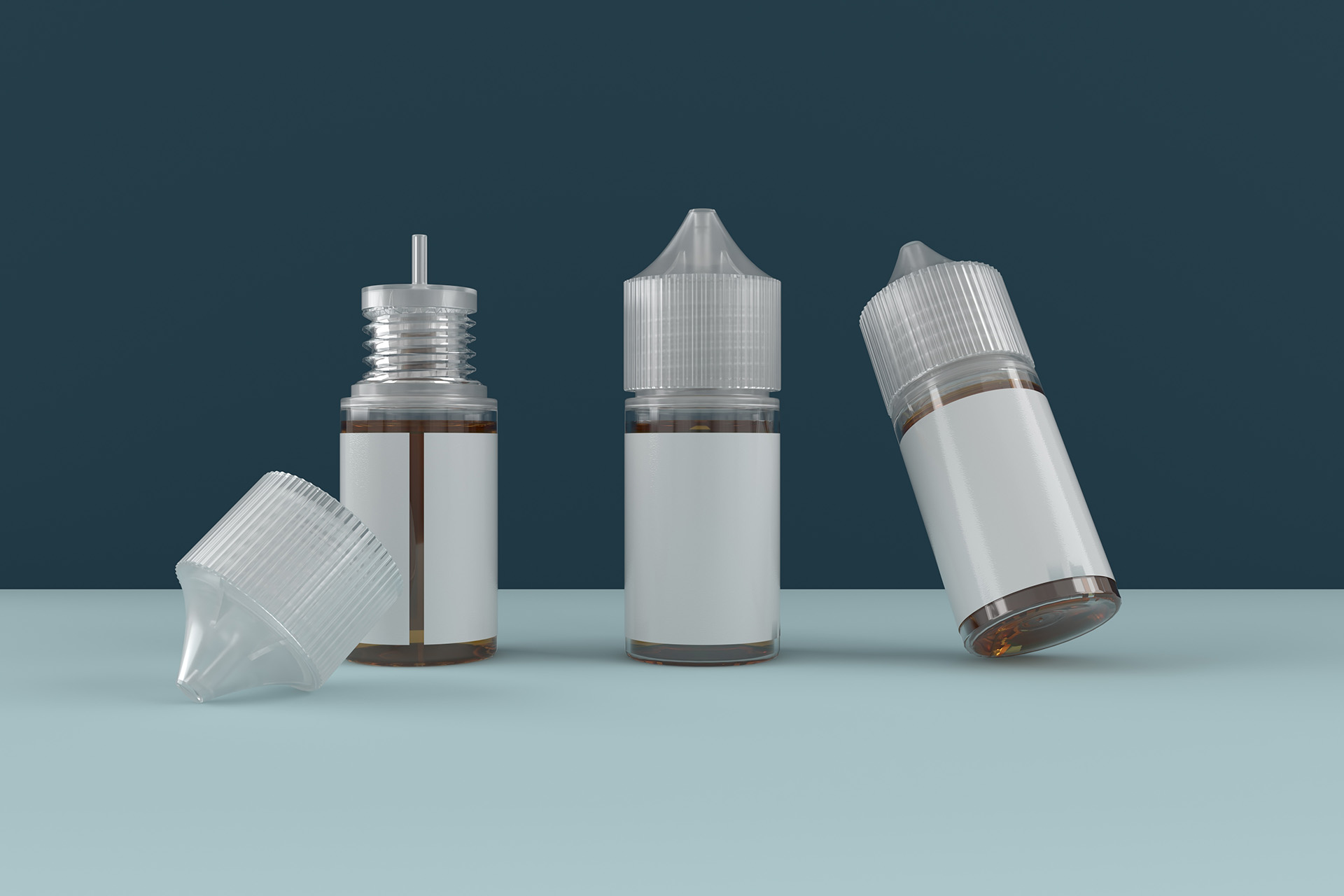
As we delve into 2023, E-liquid and vape brands should pay close attention to colour trends in packaging design. Colour has a direct effect on customers' emotions and helps indicate the flavour of E-Liquids. In this blog post, we'll explore the top colour trends for E-Liquid packaging designs that you should be aware of in 2023. From subtle tones to earthy hues, these top colour trends will help guide your designs for unique packaging that stands out from the competition. Keep reading to learn more!
5 colourways to make use of in 2023
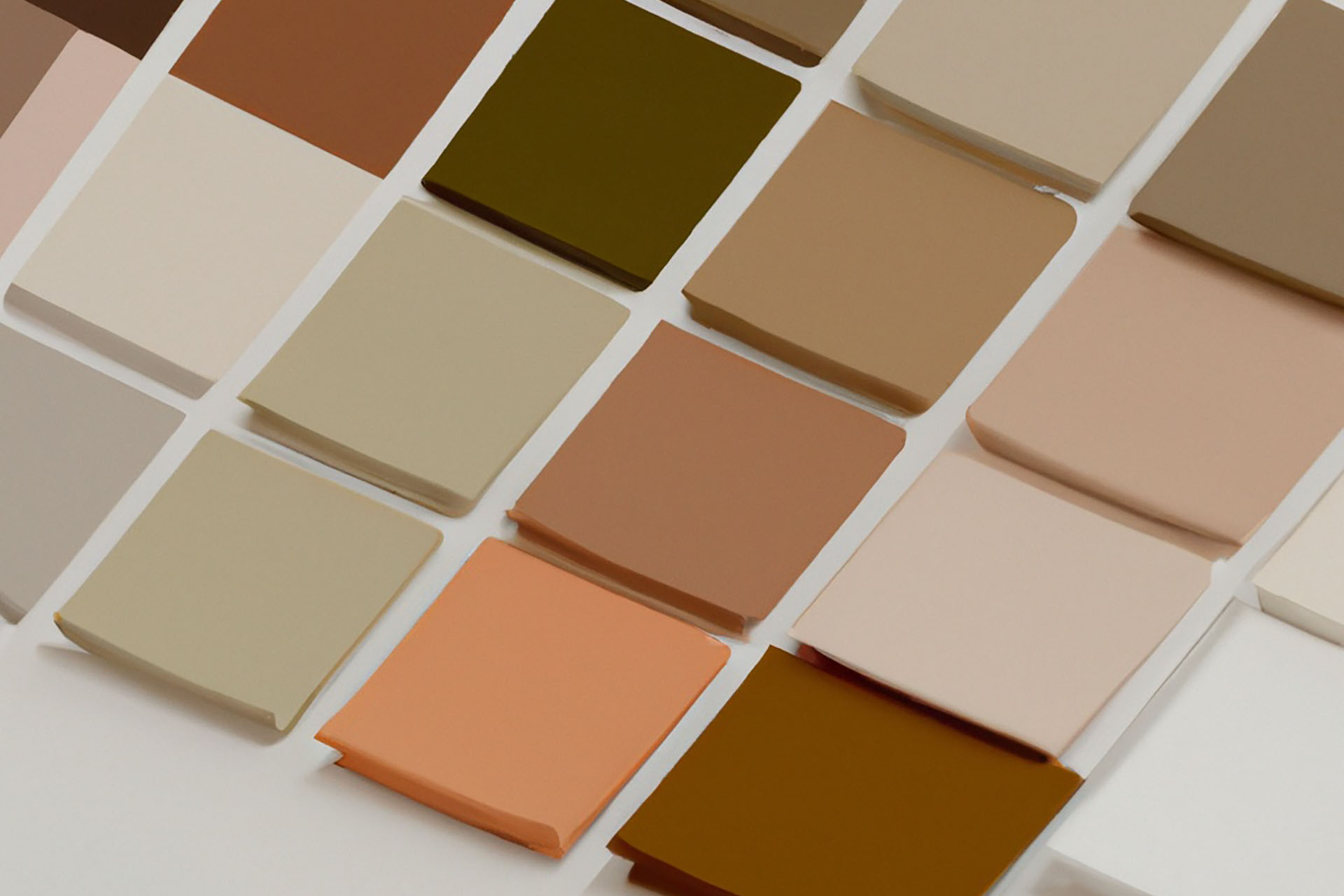
1. Earthy Hues
Earthy hues are becoming increasingly popular for packaging in 2023. Think about shades like terracotta, camel, and olive green. These shades bring a sense of organic elegance to any design and can be used to create calming or luxurious vibes depending on the pairing of other colours.
2. Muted Shades
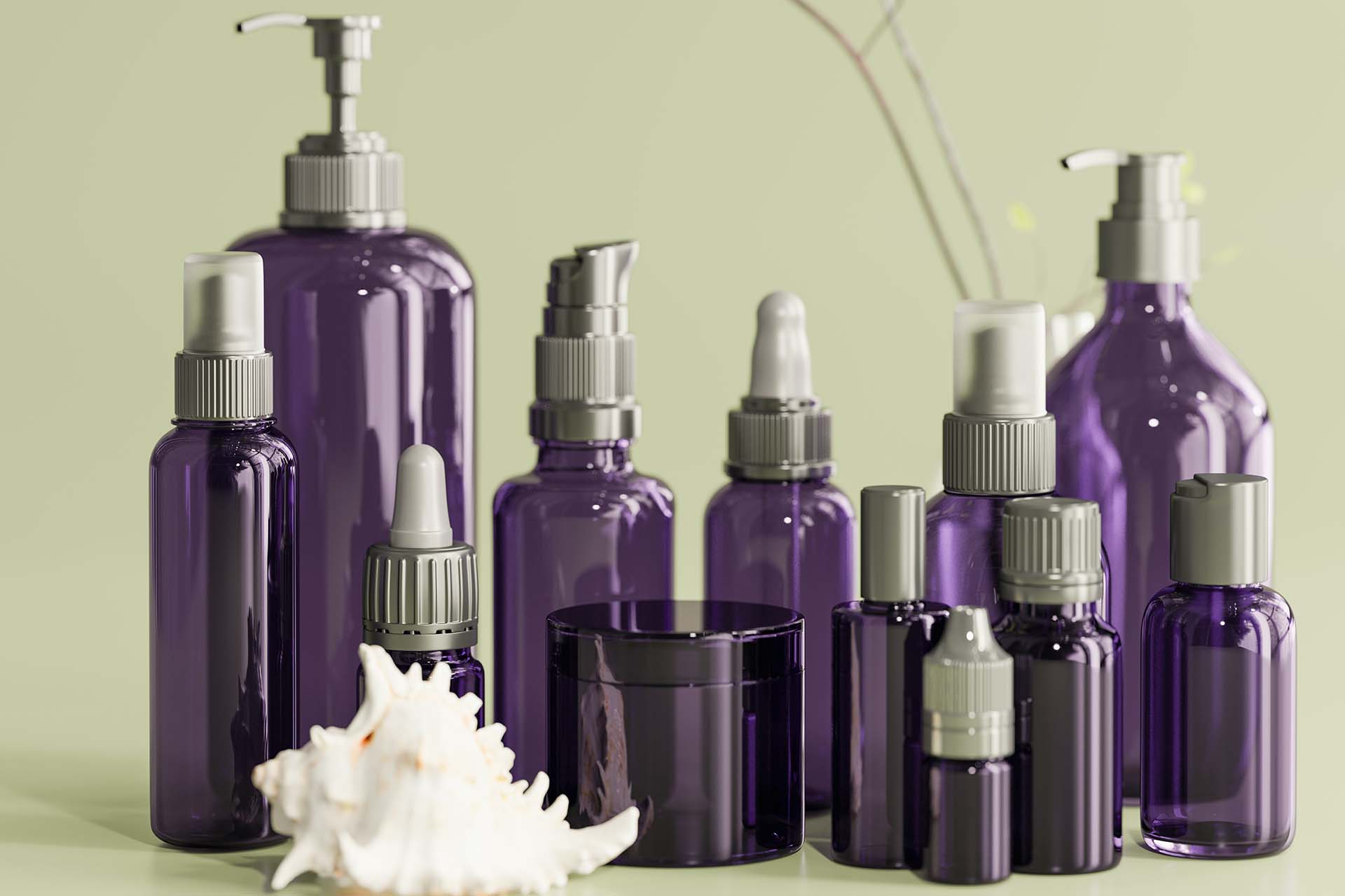
Muted shades have been gaining popularity in recent years and will continue to trend in 2023. This includes subtle pastels such as pale blue, lavender, and peach; as well as muted versions of more vibrant colours such as navy blue, dusty pink, and charcoal grey. Muted shades provide a sophisticated look while still allowing a product’s label to stand out from the crowd on store shelves.
3. Metallics
Metallic shades are still a popular choice for packaging designs, as they can add an upscale touch without being too flashy. Examples of metallic colours include silver, gold, bronze, and copper. These hues work well when contrasted against earthy or muted tones to create a balanced and modern look.
4. Charcoal
Charcoal is becoming increasingly popular in the world of packaging design due to its classic yet sophisticated aesthetic. It’s a great option if you want to add a touch of sophistication to your product’s label without straying too far from traditional colour palettes. Plus, charcoal looks great with almost any other colour!
5. Bright Neutrals
Neutral shades such as tan, beige, and light grey are often overlooked when it comes to packaging design. However, they can make great choices in certain contexts! In 2023, bright neutrals will be trending – think shades like sage green, pale yellow, and sky blue. These colours will lend a modern yet subtle feel to any product’s label.
Bonus: Pantone Colours
Pantone's colour of the year for 2023 is Viva Magenta, a deep and nuanced red-purple hue that balances warm and cool tones. This hybrid colour is sure to be popular on packaging designs in the year ahead, as it can add a rich, complex feel to any product’s label. Additionally, Viva Magenta works well when paired with many of the other colour trends mentioned above – so don’t be afraid to experiment!
Overall, the colour trends for packaging in 2023 will be all about balancing earthy hues with muted shades or metallics for a sophisticated look. Bright neutrals are also finding their way into more designs as well! Whether you’re creating packaging for a new product or updating an existing label – these colour trends should give you plenty of inspiration.
Designing your vape product packaging with Xyfil
As a leading E-Liquid manufacturer in the UK, Xyfil strives to help brands create stand-out vape products in a highly competitive market. Our team of experts, from the flavour & product development to the creative studio, will help you create vape packaging designs that stand out, from concept creation to full-scale production. With Xyfil you can choose bespoke or industry-standard packaging - work with us today to get your brand on-trend.
Get to grips with product design with our previous article, with tips on how to make your E-Liquid brand stand out from the crowd.
At Xyfil, we understand that the quality and variety of vape products you choose to manufacture from a UK manufacturer is an important part of creating a standout brand. That’s why we offer E-Liquid manufacturing services with experienced professionals and certified E-Liquids that meet all relevant regulations. Whether it’s for shortfills, nicotine salts, freebase nicotine, or CBD E-Liquids. We have the expertise and products to meet your needs.
Quality Manufacturing Services
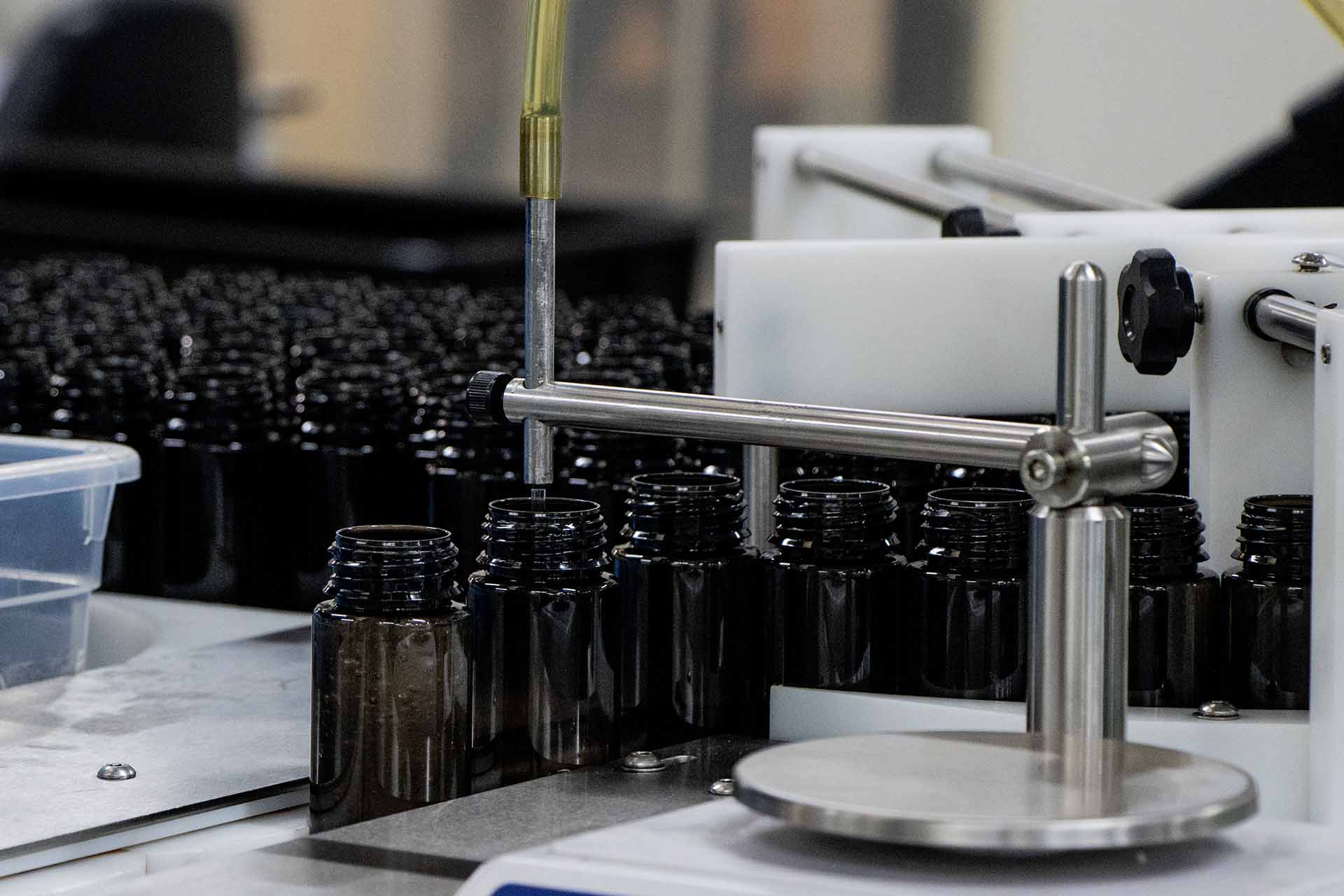
At Xyfil, we understand the importance of quality E-Liquid manufacturing services. We have years of experience in E-Liquid production and all our E-Liquids meet industry-approved regulations and standards. Our GMP-certified and ISO-approved facilities ensure that your products are manufactured to the highest standards. Make the most of our highly knowledgeable staff when it comes to E-Liquid manufacturing. We can help you source the right ingredients for your E-Liquids as well as ensure that E-Liquids are accurately mixed and filled. Rest assured that our E-Liquid manufacturing services guarantee high-quality E-Liquids that meet all relevant regulations. These include the Tobacco Products Directive (TPD) in the UK & EU, and various regulations across the globe. Choosing Xyfil ensures that E-Liquids we produce are of a consistently high standard. Your products are compliant and that our customers have full peace of mind when manufacturing E-Liquids with us.
Xyfil's product solutions tailored to you
At Xyfil, we offer a variety of vape products to choose from, including:
Nicotine Salts
Freebase Nicotine
10ml TPD-compliant E-Liquids (plus other compliant bottle sizes & strengths)
60ml & 120ml shortfills
Nicotine-free E-Liquids
CDB E-Liquids
With our wide range of products, we offer white-label and OEM services to give you what you want, how you want it. Our product selection is always growing as we strive to provide E-Liquids and other vape products that are tailored to our customer's individual needs and specifications.
Our award-winning flavours are blended by internationally renowned vapers to create signature touches for every product. Choose from a huge selection of simple and complex flavours or work closely with us to create your own unique blend. We continually seek to develop our products and create unique flavours alongside our brand partners.
Make it unique or use the very best we have to offer
At Xyfil, we offer customisation options for E-Liquid and CBD manufacturing to suit any customer’s needs. Services include white-label E-Liquid production with a choice of flavour, nicotine type and strength as well as bottle size. OEM E-Liquid production is also available, allowing customers to use our premium ingredients and formulations. Our experienced team are always on hand to provide feedback and advice as well as help source the perfect E-Liquid ingredients for your product.
Whether it's an already existing product type or something completely different, our versatile manufacturing facilities and expert knowledge allow us to help make your product ideas real.
Why Choose Xyfil?
At Xyfil, we are a leading E-Liquid manufacturer in the UK, providing a high-quality service to our customers. We offer reliable E-Liquid manufacturing services with a wide range of E-Liquids made from premium ingredients and formulations. All our E-Liquids meet UK standards and regulations and have been rigorously tested for safety - the highest standard in the world.
Choosing E-Liquid manufacturing in the UK provides many benefits to customers, such as:
Quick access to white-label E-Liquids with fast production and delivery times
High-quality E-Liquids manufactured from premium ingredients
Cost savings by using UK suppliers
Full support throughout the E-Liquid manufacturing process
Compliance with UK, EU & UAE regulations, and standards
Xyfil is committed to providing E-Liquids that meet the highest standards, so you can have peace of mind when choosing us for E-Liquid production.
At Xyfil, we strive to provide the highest quality E-Liquids and CBD products that are tailored to meet your needs. Make the most of our selection of E-Liquid product solutions, white label services and customisation options available. Xyfil is your go-to for all your E-Liquid and CBD manufacturing needs in the UK. We are committed to providing E-Liquids made from premium ingredients and formulations that meet the highest regulatory standards. You can be sure that your E-Liquid products are of the highest quality.
Book a meeting with us today to find out more about our E-Liquid and CBD manufacturing services!
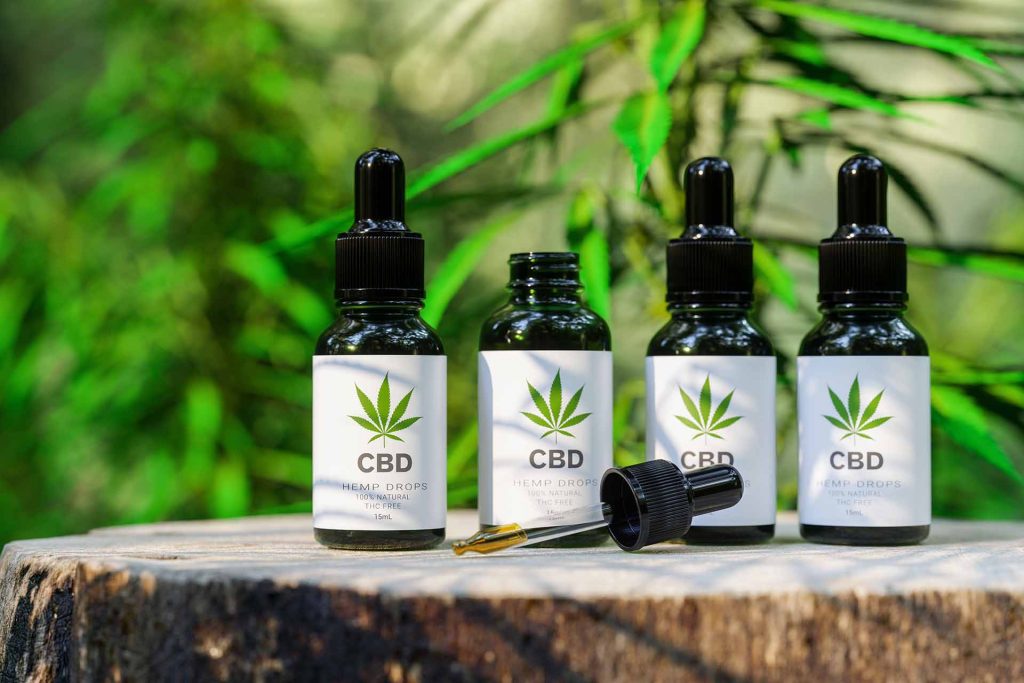
When it comes to manufacturing a CBD product, choosing the right CBD manufacturer is one of the most important decisions you’ll make. In the UK, there are a variety of options available for businesses that want to manufacture CBD products. To ensure that you’re getting the highest quality product and excellent customer service, it’s important to take the time to research different manufacturers and compare their services. Whether you’re looking for a CBD oil manufacturer or a CBD product manufacturer in the UK, here are some factors to consider before making your decision.
Which type of CBD does your product demand?
The first factor to consider when choosing a CBD manufacturer in the UK is the type of CBD they offer. At Xyfil, we provide hemp-derived CBD isolate with synthetic cannabinoids, which are legal in most countries and suitable for creating a wide range of products. However, there are also other types of CBD available, such as full-spectrum, broad-spectrum, and CBD distillates. Depending on your product needs, you may want to consider these other types of CBD as well.
It’s important to do your research and understand the differences between each type of CBD before making a decision. This will help ensure that you choose a manufacturer that can provide the type of CBD that best suits your product.
At Xyfil, we believe that understanding which type of CBD suits your product is just as important as the manufacturing process itself. Depending on the type of product you’re looking to create, different types of CBD may suit it best.
Types of CBD based on product type
If you’re looking to create a tincture or an edible, broad-spectrum CBD is a suitable option. Broad-spectrum CBD contains a range of cannabinoids, terpenes and flavonoids, making it highly effective. If you’re looking to create topical products such as balms or creams, full-spectrum CBD offers the best results. It contains a range of compounds, including THC, which helps to create a more pleasant experience, however, due to the inclusion of THC this type of CBD is often illegal.
CBD isolate is the purest form of CBD available and is suitable for tinctures, vape products, topical creams, and other products. It has numerous advantages over other forms of CBD, including being legal in most countries and highly versatile, making it a great choice for global businesses.
Additionally, CBD isolate is more affordable than other forms of CBD, making it an ideal option for those who are looking to manufacture high-quality products without breaking the bank. As it contains no THC (the main psychoactive component in cannabis), you can rest assured that your products will be free from any psychoactive elements. For these reasons, CBD isolate is an excellent choice for any business looking to manufacture a high-quality CBD product.
Ensuring a high level of quality
The next factor to consider when choosing a CBD manufacturer in the UK is their quality control process. This is essential for ensuring that you receive a safe and high-quality product. A reputable CBD manufacturer should have stringent standards for testing and verifying the purity and potency of their CBD. They should also have a reliable process for detecting any contaminants, such as heavy metals or pesticides.
In addition to testing the product itself, it’s important to check that the manufacturer follows Good Manufacturing Practices (GMP). This ensures that they have proper safety protocols in place and adhere to industry standards.
At Xyfil, we are fully GMP certified and take pride in providing the highest quality CBD products. Our rigorous testing processes ensure that all of our products adhere to the legal standards for THC content and other contaminants. We also adhere to strict safety protocols to ensure that our products are free from any potential contamination. As a result, you can be confident that our products are safe and of the highest quality.
By taking the time to consider these factors, you can ensure that you choose a CBD manufacturer in the UK that can provide you with a safe, high-quality product. When it comes to manufacturing CBD products, Xyfil is your best choice.
Time is money and should not be wasted
When selecting a CBD manufacturer, it is also important to consider their processing time. This will have a direct impact on how quickly you can receive your order. Different manufacturers may have different processing times, so be sure to compare them before making a decision.
At Xyfil, we understand the importance of getting products out to customers quickly and securely. We have streamlined our manufacturing process to ensure that orders are processed and shipped as quickly as possible. Our team of professionals will work with you to ensure that your order is delivered on time, without any delays or problems.
Variety and versatility in product selection
Another important factor to consider when selecting a CBD manufacturer in the UK is their product selection. Different manufacturers offer different types of products, so it’s important to make sure that you can get exactly what you need. At Xyfil, we offer an extensive selection of CBD products, including tinctures, CBD vapes, topical creams, and more.
Our products are specifically designed to meet the needs of your business. We use only premium ingredients in our products, so you can be sure that your customers will get a safe and high-quality product. All of our products are lab-tested for purity and potency, ensuring that they adhere to legal standards. Due to our versatility, we are able to offer solutions for many other types of products that you can think of - get in contact with us today with your ideas and we'll help bring them to fruition.
Communication is key
At Xyfil, we understand that customer service is just as important as the product itself. Our team of professionals is dedicated to providing you with the best possible service throughout every stage of your order. We are always available to answer any questions or concerns you may have.
Our team will work closely with you to ensure that all of your needs are met. We understand that manufacturing CBD products can be a complex process, and our team will work with you to ensure that everything goes as smoothly as possible. Our customer service representatives are always willing to go the extra mile to ensure that you have all of the information and support you need.
A good reputation is a vote of confidence
Reputation is a key factor when selecting a CBD manufacturer in the UK. At Xyfil, we have built our reputation on providing high-quality products and exceptional customer service. We take pride in the fact that many of our customers come back to us again and again for their CBD manufacturing needs.
Our reputation has been built over years of providing excellent products and services to our customers. We are proud to be trusted by businesses around the world for their CBD manufacturing needs. When you choose Xyfil, you can rest assured that your product will be made with care and expertise.
Necessary regulations and certifications for good business
We understand the importance of upholding the highest standards for our products. That's why we have an in-house team dedicated to ensuring that all of our products adhere to local and international regulations. We are proud to be certified by GMP, ISO 9001, FDA, and USDA Organic. Our products are tested for safety and purity, so you can be sure that your customers will receive a safe and high-quality product.
Our team is always happy to answer any questions or concerns you may have about our certifications and standards. We strive to provide our customers with the utmost confidence in their purchases from us.
Choose Xyfil as your CBD manufacturer
When it comes to finding the best CBD manufacturer in the UK, you want a company that offers high-quality products and exceptional customer service. At Xyfil, we provide everything you need for your business from reliable manufacturing processes to top-notch services. We take pride in providing our customers with premium ingredients and strict standards for safety and purity. With our team of experts and years of experience in the industry, you can trust us to provide your business with the highest quality products and services.
Contact us today for more information about our CBD manufacturing solutions!
When it comes to E-Liquid manufacturing, there are two main options: White Label Manufacturing and Original Equipment Manufacturer (OEM). Both offer distinct advantages in terms of cost, production speed, and product quality, but also have their own unique sets of benefits that must be considered when making a decision. In this article, we will explore the pros and cons of white-label manufacturing and OEM for manufacturing E-Liquid in the UK.
Pros of White Label Manufacturing
When it comes to white-label manufacturing, one of the key advantages is that it is a lower-cost option. As the products are already pre-made by the manufacturer, there is no need for extra time or resources to be spent on creating new designs. This can help reduce overall costs and maintain a competitive price point in the market.
Additionally, white-label manufacturing provides quick production times as the products are already created and ready to go. This means that turnaround can be much quicker than with OEM options.
Finally, white-label manufacturers like Xyfil have decades of experience in developing high-quality products that meet industry standards, providing superior products for customers. These products are already compliant and established so quality is assured when choosing white-label manufactured products.
Cons of White Label Manufacturing
The main downside of white-label manufacturing is that it offers limited customization options. This can be a disadvantage for those looking for special or unique designs, as these may not be available through this option.
Another con of white-label manufacturing is the increased risk of unauthorized copying and replication. As products are already created, there is a greater risk of other companies copying the designs and replicating them. This can be a major issue for businesses looking to protect their intellectual property.
Pros of OEM
On the other hand, OEM offers a much greater level of customization than white-label manufacturing. With this option, there is the ability to create products from scratch with custom designs and features that are unique to your business. This provides an even greater level of control over the product design process, allowing for more creative freedom and the ability to match products with your brand’s identity.
In addition, when working with an OEM like Xyfil, businesses can have greater assurance that their products meet all quality control and regulatory requirements. As a highly certified manufacturer, Xyfil provides superior products that are compliant with industry standards. This allows for peace of mind when it comes to E-Liquid production.
Cons of OEM
While there are many benefits associated with using an OEM, one of the main drawbacks is that it typically has a higher cost than white-label manufacturing. This is due to the extra time and resources needed to produce custom products from scratch.
Additionally, production times can be much longer with OEM than white-label manufacturing. As the products are created from the ground up, more time and effort is needed to create the desired product. This can lead to delays in delivery and higher costs due to extended lead times.
How Xyfil can help you
Xyfil offers a one-stop solution for E-Liquid manufacture, whether you choose white label or OEM. With 10+ years of experience in creating premium vape products for markets in the UK and across the globe, Xyfil's highly certified and superior products guarantee satisfaction. We provide support throughout the entire production process to ensure that your E-Liquid products meet all quality and regulatory requirements.
From creating custom designs, and simple to complex flavours to providing quick production times and helping with distribution, Xyfil has the expertise to ensure that your e-liquid business is successful. Whether you choose white label or OEM, Xyfil can help you create the best products for your customers and stay ahead of the competition.
Final thoughts
In conclusion, both methods of E-Liquid manufacturing, white label and OEM, offer distinct benefits as well as drawbacks that should be considered before making a decision. No matter what your E-Liquid needs are, Xyfil has the expertise to help you create superior products that meet all industry standards and stand out from the competition. With a professional team of experts guiding you every step of the way, you can rest assured knowing that Xyfil will help you create the best products for your customers.
The vaping industry in the UAE is continuing to grow with a projected revenue of US$59.38 million in 2023 – that’s almost double from 2019 when vapes first became able to be legally sold in the UAE. The market is also expected to grow by 9.41% from 2023 to 2027.
Recently in the UAE, the MoIAT (previously vape products were regulated by ESMA) registration fee has changed, no doubt due to the surge in the vaping market.
Changes to UAE registration fee
To legally sell vaping products in the UAE, E-Liquids and devices must be registered for approval with the MoIAT (Ministry of Industry and Advanced Technology). Typically, this is a service that can be provided via agencies, but Xyfil also offers compliance services, whether you’ve manufactured with us or not.
Registering your product for sale in the UAE requires two separate fees:
1) Certificate issuing fee: (It must be paid to the MoIAT). These fees have been reduced from AED 5000 to AED 670 per application.
2) Document review fee: (It must be paid to the notified body). There has been no change on this and it is still AED 800 per application.
For a full breakdown regarding products, see below.
OLD
NEW
LABEL
AED 5,000
AED 670
PRODUCT-LIQUID
AED 5,000
AED 670
RoHS
AED 1,000
AED 1,000
PRODUCT-DEVICE
AED 5,000
AED 670
There have also been some changes with the registration process. Originally, a single application could include different variations of flavours; so, if you had an E-Liquid flavour in several strengths, you could register them all under one application. This has since been changed and a separate application must be submitted for each sku that has a barcode. Should you wish to register a multipack of the same flavour and nicotine strength, along with the single pack variation, this will require two separate applications.
How Xyfil can help you with registering compliant products in the UAE
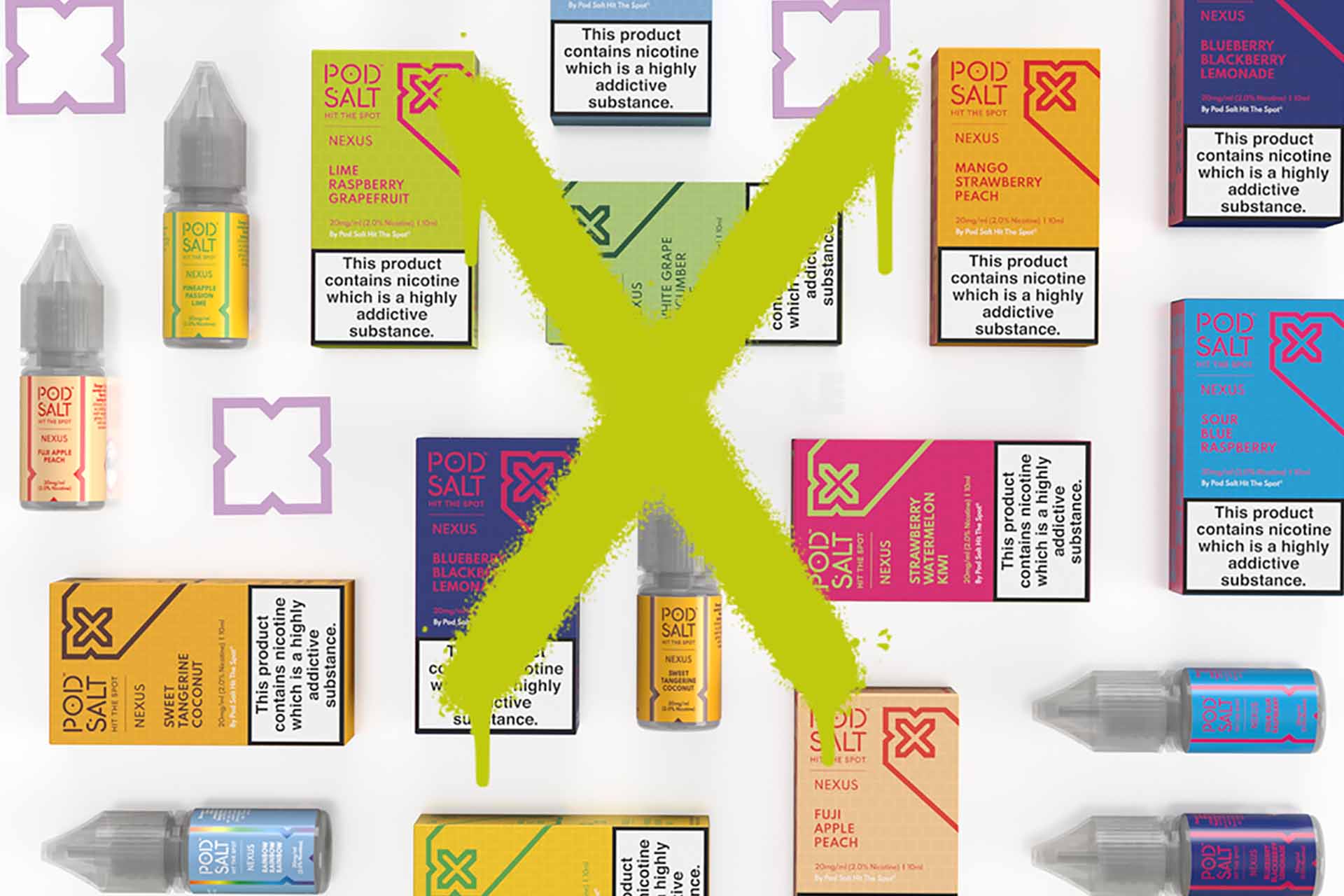
“Our in-house team of compliance experts are able to perform the necessary toxicology tests and full reports required by MoIAT. More critically, we are able to gather all necessary data into the format required by the MoIAT. With popular brands we manufacture like Pod Salt fast becoming one of the most popular brands in the UAE, we’re here to help bring even more premium brands to the Middle East.”
-Pradip, Compliance, Xyfil.
Since the changes in 2019 that allowed for the selling of E-Cigarettes and E-Liquids in the UAE, we have been successfully manufacturing and selling compliant products in the Middle East. With a valid UAE Industry/Trade License, we are licensed to manufacture products for UAE within the UK. This helps to ensure that our products benefit from the superior British standard for manufacturing E-Liquids.
As a Toll Manufacturer with ISO 9001 and GMP certification, we are skilled with over 10 years of experience in manufacturing, production, R&D, logistics, compliance and more. Whether you are looking to take an existing product and turn it into one for sale within the UAE, or looking to manufacture a whole new product range we at Xyfil can help you through any and all stages of compliance.
In the vaping industry, product descriptions play a crucial role in helping E-Liquid brands stand out from the crowd. With so many E-Liquids available online, it can be difficult for a brand to differentiate itself and attract customers. However, by crafting effective product descriptions, E-Liquid brands can set themselves apart and increase their chances of success.
Creating a voice for your E-Liquid brand
Building a brand voice for an E-Liquid brand can help to establish a unique identity and differentiate the brand from its competitors. Here are some steps to help build brand voice:
Define your brand's personality: Determine the personality of your brand, such as whether it is fun and playful, sophisticated and luxury, or serious and professional. This will serve as a foundation for all your messaging and content.
Develop a tone of voice: Based on your brand's personality, develop a tone of voice that will be consistent across all your content, including product descriptions, social media posts, and other marketing materials.
Use storytelling: Use storytelling to convey the brand's message and values. Share the story of how the brand started, its mission, and the unique features and benefits of the E-Liquids.
Be consistent: Consistency is key when building brand voice. Make sure that all your content, whether it's a product description, social media post, or email newsletter, uses the same tone of voice and messaging.
Use imagery: Use imagery that aligns with the brand's personality and messaging. For example, if your brand is fun and playful, use bright colours and playful imagery in your marketing materials.
Engage with customers: Engage with customers on social media and other platforms to build a relationship and create a sense of community. This can help to build trust and loyalty.
Keep the brand voice in mind: Always keep the brand voice in mind when creating content and make sure that it aligns with the brand's personality and messaging.
By following these steps, an E-Liquid brand can establish a unique and consistent brand voice that will help to differentiate it from its competitors and attract customers.
Give your products a voice and make them tell a story
One way to make your E-Liquid and vape product descriptions stand out is by highlighting the unique flavours and ingredients used in your products. For example, instead of simply listing the flavours in your E-Liquid, describe the taste experience and the specific flavours used to create that product. This not only helps customers understand what they can expect but also sets your E-Liquid apart from others that may use generic or similar flavours.
Specifics pave the way to understanding
Another way to make your product descriptions stand out is by emphasizing the quality of your E-Liquids. Many customers are wary of cheap, low-quality E-Liquids, so highlighting the use of high-quality ingredients and manufacturing processes can help to build trust and credibility with potential customers.
In addition, providing detailed information about the nicotine strength and VG/PG ratio of your E-Liquids can be helpful for customers looking for specific vaping experiences.
You can also include customer reviews and testimonials in your product descriptions. This can be a powerful way to build trust and credibility with potential customers.
Finishing touches
Finally, it's important to keep your product descriptions up-to-date. With new flavours, ingredients, and trends constantly emerging in the vaping industry, it's important to regularly review and update your product descriptions to ensure that they are accurate and relevant.
In summary, to make your e-liquid product descriptions stand out from the crowd, focus on highlighting the unique flavours and ingredients used in your e-liquids, emphasizing the quality of your e-liquids, providing detailed information about nicotine strength and VG/PG ratio, including customer reviews and testimonials, using high-quality images and videos, and keeping your product descriptions up-to-date. By following these tips, E-Liquid brands can effectively differentiate themselves and attract customers in the competitive vaping industry.
Despite being the home of one of the world’s toughest restrictions on vaping, the Australian government are considering further tightening. The aim is to crackdown on children accessing E-Cigarettes. But is it creating more harm than good?
The current vaping regulations in Australia
Currently, it is illegal to purchase nicotine-containing E-Liquid, and devices in Australia without a prescription. Each state however regulates issues such as sales, public use, age limits etc.
All states require retailers to be given approval for selling E-Liquid but at this time, none have been granted approval. Similarly, many states allow the sale of nicotine-free E-Cigarettes, but the products cannot claim to help quit or reduce smoking. These include Australian Capital Territory (retailers must have a tobacco license) and Tasmania, Queensland, Victoria and New South Wales have the same rule but sellers don’t require a license.
The proposed changes
The Australian federal government are considering key changes targeting specific areas such as importation rules and tougher labelling laws. A public consultation will be held to cover the four areas:
Changes to importation and border control laws required to stop illegal products entering Australia
Pre-market assessments of vapes to create a regulated source of products for pharmacists and doctors to prescribe
Labelling, advertising and flavouring of vapes that make them attractive to children
Stronger identification and regulation of nicotine-containing products
While these are being debated, the health Minister Mark Butler, has announced a ban on menthol cigarettes and other cigarette flavours plus additives.
The public consultation on vaping reforms will be open until the 16th of January.
The AMA (Australian Medical Association) has welcomed the federal government’s plans to tighten tobacco control and calls for the below changes to be made:
reducing the concentration limit from 100mg/ml to 20mg/ml, and introducing limits on the flavours and volume of nicotine that can be prescribed or ordered,
banning the importation of nicotine vaping products through the Personal Importation Scheme,
adding Nicotine Vaping Products to Real Time Prescription Monitoring programs,
restricting the use of Medicare smoking cessation items to a patient’s usual doctor, consistent with previous advice provided by the AMA.
Have these regulations really helped?
There’s much to debate with Australia’s already tight regulations on vaping. They clearly haven’t had the impact the government wished as they feel the need to tighten them further. And research has suggested that these changes may have been more detrimental to the smoke-free objective.
A recent study published by the BMJ (British Medical Association) analysed the smoking rates and cigarette consumption in 6 jurisdictions, across different regulatory environments for vaping. These included Alberta, Ontario, Quebec and British Colombia, UK and Australia. It was noted that, unsurprisingly, Australia had lower rates of vaping and a much lower rate of declining smoking rates, in comparison to the other countries.
And other countries are taking note of the failings. CAPHRA (Coalition of Asia Pacific Tobacco Harm Reduction Advocate) have submitted a consultation document to Australia’s Therapeutic Goods Administration (TGA). They believe that Australia’s method of medicalising vaping is failing and that there needs to be open access for smokers looking to quit smoking.
A lot has happened over the last couple of years between Brexit, the pandemic and of course the ongoing turmoil that has led to sky-rocketing prices. It’s not surprising that brands are considering looking at ways to cut their costs, but is it worth it? Brand owners should look at it holistically without compromising product quality. Read more about becoming more cost-effective in our latest article.
What’s driving the desire to be more cost-effective?
Overseas brands bringing cheaper E-Liquids
It began with the influx of Chinese-manufactured disposable devices taking the UK by storm. At the time this didn’t worry E-Liquid brands as much but now there’s a growing shift towards E-Liquids once more, these same overseas brands are now beginning to import E-Liquids, not just disposables. Manufactured in China, these E-Liquids often are cheaper in price to produce.
Unfortunately, this opens the possibility for some products of questionable quality and unregulated E-Liquids, to arrive in UK markets. British-manufactured E-Liquids, like those manufactured by Xyfil, understand the importance of quality and follow GMP and ISO guidelines to ensure this quality is passed onto the products we produce.
Inflation across the market
Another influence on the cost and pricing of products has of course been inflation. Across the globe, countries are feeling the sting of inflated prices. In the UK, it was recorded at 11.1% in October, rising at the fastest pace in 40 years.
The UK’s cost of living crisis
This has also led to the cost-of-living crisis as inflation impacts the pricing of consumer products. With the rising costs of essentials, some items are becoming more of a luxury than some can afford. Because of this, consumers are looking to cut costs and spend less.
Is it possible to create a cost-effective brand?
Quality vs Cost
Making cuts to your brand to help lower costs can impact on the quality of your products. Sourcing alternative ingredients that are lower in quality or manufacturing overseas, can negatively impact your product and your brand overall. Studies have shown that consumers can tell the difference between brands that are shrinking or ‘skimping’ on their products due to inflation. The last thing you want for your brand is to lose the confidence of your consumers.
Cutting back and trimming down
That’s not to say there aren’t ways of trimming down that don’t impact on your quality. Some brands have already started looking at ways to remove unneeded packaging in an effort to cut prices. Removing the need for cardboard boxes would help remove part of the cost of E-Liquids, however, the need to adhere to regulations and provide warnings would need to still be fulfilled.
There are many options which would be great from a sustainability standpoint but do not necessarily equate to cutting costs. New technologies like linerless labels help to improve efficiency and lower costs, but the technology itself requires an initial cost.
Simplicity vs complexity
E-Liquid flavours can quickly tot up the costs when creating a new product range. The more complex a flavour, the more ingredients are used to create that exact flavour. Keeping things simple might not make you stand out in a crowd, but it helps to keep the price down.
Getting creative with limits
Often, a prestigious brand looks the way it does because of the finishes and special touches added to the product packaging. But creative brands can certainly make use of the ‘less is more' approach and create eye-catching designs with simpler finishes. Setting a limit on the number of finishes and seeing what your designers can create will open more room for creativity.
Planning is key to managing costs
Leading on from this, it’s important to establish your plan brief with your manufacturer, and not just at the initial point of conception. Actively planning the details of your product from flavour to ratio to bottle size, to design and even how you wish to market it, can help tailor it to a more cost-effective product. Be honest and upfront with your brief to see exactly what your budget can achieve.
The pros of white label manufacturing
An option available for brands looking to create cost-effective products is white-label manufacturing. By selecting already pre-registered products to rebrand under your logo, not only do you save on compliance costs but benefit from high-quality products that are tried, tested, and approved.
Why you shouldn’t compromise products to cut costs
The Good-Better-Best (G-B-B) pricing approach
It’s a concept that many businesses have yet to touch on but those that have, see surprising benefits. What is G-B-B? The Good-Better-Best pricing approach is an option for businesses in which their product offering and pricing are tiered. This is often seen in the forms of products with 'regular', 'plus', and 'super' versions. This could be gadgets, subscriptions, consumables and more.
So perhaps the discussion shouldn’t be how you can make your brand cost-effective, but how your brand could make a cost-effective product part of your range.
Cost-effective vs Cost efficiency
It may sound the same, but they differ and can make a big difference in your products. Being cost-effective is predominantly about getting the task done adequately; in a way, you can think of this as the bare minimum to create your desired product. Being cost-efficient however is getting the job done the right way with the least amount of waste and optimising your available resources.
In terms of E-Liquids, the most cost-effective way to create a budget-friendly brand would be to establish a new product offering that focuses on simplicity and meeting consumers’ needs. Rather than complex designs across the packaging, garner more interest with simple designs and a finish that is eye-catching. Source locally and don’t compromise on product quality to ensure you don’t harm your brand’s reputation.
Choosing to be cost-effective is a sure way to end up compromising your products and your brand. But aiming to become cost-efficient may see some initial cost but is more likely to provide longer-returning benefits.
Keeping in the know is but one of the ways to get ahead of the competition, and CBD is no different. The CBD market is one that is hotly contested with similar products often competing in the same space. Making your products stand out and tailoring your products to the needs of your market, are key to creating a popular brand.
Here are some important CBD statistics that may help you make an informed decision when deciding on your next CBD product range. Or, if you have yet to hit the CBD market, these stats may soon incite your enthusiasm for developing your own CBD brand.
CBD statistics for the UK
In May 2021, it was estimated that the UK CBD industry would generate £690 million in annual sales for 2021. This was up from the previous estimation in 2019 which estimated it would reach £526 million in 2021.
It is currently estimated that the UK CBD industry is valued at £700 million.
The UK is the 2nd largest CBD market in the world, with the US leading the charge.
Between 8 and 11% of UK adults have tried CBD
The highest age group of users was 25- to 29-year-olds at 15%
CBD usage is higher among women
Users of CBD typically report using it for better well-being, sleep, pain management and anxiety.
54% better health & well-being, 54% sleep, 42% pain, and 38% anxiety.
24% of all adults prefer to manage their mental health holistically with methods like CBD
50% of millennials would prefer to use CBD oil over anti-depressant
UK market growth from 2018 to 2019 was up to 6 times greater than expected - £300 million compared to the forecasted £100 million.
British CBD users spend approximately £25 per month on CBD products
Consumers prefer to buy CBD online
CBD statistics in the US
26% of Americans are using CBD in 2022
64% of these use CBD for pain
21% of men and 16% of women have tried CBD
50% of pet owners use CBD for their pets
40% of users used CBD for pain, 20% for anxiety and 11% for sleep
CBD consumers are an average age of 40
44% of CBD users spend between $20 and $80 a month on CBD products
Non-users open to trying CBD said price (25%), lack of studies (18%) and distrust in claims (14%) were the biggest barriers to usage.
Important CBD statistics to ensure reputability
Only 34% of CBD products tested from a UK sample were correctly labelled. It was found from testing 29 CBD products that 10 of them had less than 50% of the advertised CBD content and one product even had 0% of CBD.
Similarly, 55% tested levels of THC above the allowed threshold for UK CBD products, which therefore meant these products were in fact illegal.
It’s become a worrying problem in the CBD market, not just for the UK, as these products reflect negatively on the market. Responsible brands should strive to ensure their products are safe and regulatory. Testing samples of products before they go to market can help reduce any potential discrepancies and cement your brand as a trustworthy and reputable addition to the market.
At Xyfil, all of our CBD products go through strict laboratory testing to ensure that they adhere to regulatory standards. This also means reaffirming the quantity of CBD, THC and other cannabinoids. Our CBD is sourced from organically grown, certified hemp farms in Colorado, US. This helps to create a premium basis for our CBD products which then go through extraction and further testing to remove any potential contaminants.
With a range of CBD products that we can cater for, we can tailor towards the regulations for the country you wish to sell in. Contact us today to find out how we can help you.
Regulations around vaping change often across the globe, with countries making changes each year, whether for better or worse. It’s important for manufacturers, retailers and brands to be aware of the latest regulatory changes to ensure vaping products remain relevant and compliant.
One such regulatory change that seems to be occurring more frequently, is the ban on flavoured vapes. Many governments have elected to ban flavoured vapes in the hopes of dissuading those who are underage, from vaping. Although research has suggested that flavours play a crucial role for vapers on their quit-smoking journey, there are many countries that have implemented this ban or are planning to do so.
China bans flavoured vapes but not for exports
As of October, the country has become yet another to ban flavoured vapes with plans to only sell tobacco-flavoured vapes. Interestingly though, China has not banned the export of flavoured vapes, only the use within its own country. This began the recent overhaul of vaping regulations in China which include a consumption tax.
China’s ban on flavours stems from the same concern shared by others on the health risks for young people who take up vaping. However, research has noted that flavours other than tobacco, play a part in helping users quit smoking. Perhaps alternatives to flavour bans need to be looked at to help minimise the potential losses of helping smokers quit with vapes.
Other countries that have banned flavoured vapes
Although vaping is legal in these countries, they too have implemented flavour bans on vaping products, limiting them to tobacco with or without the inclusion of mint & menthol. If you are interested in taking your brand to any of the below countries, you will need to tailor your products to the current limitations.
Canada
Nova Scotia - tobacco only
Ontario – tobacco, mint & menthol (vape stores are allowed stock flavours)
Prince Edward Island – tobacco only
Quebec (potential) – unconfirmed
Saskatchewan – tobacco, mint & menthol
US
Colorado (allowed in vape shops & tobacconists, not traditional retail outlets)
Connecticut (pending) – unconfirmed
Chicago – tobacco only
Maine (pending) – unconfirmed
Maryland (pending) – unconfirmed
Massachusetts – tobacco only
Minnesota (only cities Minneapolis, St. Paul and Duluth) – tobacco only
Kansas City (pending) – unconfirmed
Missoula – tobacco only
New Jersey – tobacco only
New Mexico (pending) – unconfirmed
New York (except for those permitted by the FDA) – tobacco only unless FDA approved
Rhode Island – tobacco only
Utah (potential) – unconfirmed
Vermont (pending) – unconfirmed
EU
Lithuania – tobacco only
Latvia - tobacco only
Finland – tobacco only
Estonia – tobacco & menthol
Hungary – tobacco only
Denmark – tobacco and menthol
Netherlands – tobacco only
Slovenia – tobacco only
Spain - *proposed ban* - potentially will be limited to tobacco & menthol
In countries such as Lithuania, Latvia, and the Netherlands, regulatory authorities have gone a step further by restricting manufacturers to a predefined list of flavouring compounds deemed to contribute to a tobacco-like sensory experience. These compounds include:
CAS Number
Substance Name
Flavour Description
35044-68-9
beta-Damascone
Blackcurrant, plum, rose, honey, tobacco
23726-91-2
(E)-beta-Damascone
Blackcurrant, plum, rose, honey, tobacco
23726-92-3
(Z)-beta-Damascone
Blackcurrant, plum, rose, honey, tobacco
23696-85-7
Damascenone
Fruity-floral with apple, plum, raisin, prune, tea, rose, tobacco notes
23726-93-4
(E)-beta-Damascenone
Fruity-floral with apple, plum, raisin, prune, tea, rose, tobacco notes
Very sour, ‘sweaty,’ cheesy odour; fruity on dilution
1139-30-6
(-)Caryophyllene oxide
Dry, woody, faint cedar, tobacco-like notes
3738-00-9
Ambroxin
Intense velvety ambergris notes
564-20-5
(3aR)-(+)-Sclareolide
Cedary; impact compound of certain tobaccos; fish & berry flavour improver
Other
Ukraine – tobacco only
China – tobacco only
New Zealand (partial flavour ban, only speciality vape shops can sell flavours) – tobacco, mint & menthol unless sold by speciality vape shops.
Create your signature tobacco vape range with Xyfil
Just because these countries have limited their selection to tobacco flavours, with some offering mint & menthol also, doesn’t mean your brand should miss out. Tobacco flavours can be distinct and unique thanks to the wide variety of tobacco brands we can recreate.
Our E-Liquid manufacturing solutions offer premium products and versatile services. Whether you want to opt for white label manufacture or OEM, we can cater to your needs and the regulations of whichever country you wish to resale in. By using our premium, award-winning nicotine salt formula, along with our high-quality tobacco flavours that have gone on to win awards, your brand is in safe hands.
Contact us today to find out how we can help you create the next, best Tobacco range of E-Liquids.
We use cookies on our website to give you the most relevant experience by remembering your preferences and repeat visits. By clicking “Accept All”, you consent to the use of ALL the cookies. However, you may visit "Cookie Settings" to provide a controlled consent.
This website uses cookies to improve your experience while you navigate through the website. Out of these, the cookies that are categorized as necessary are stored on your browser as they are essential for the working of basic functionalities of the website. We also use third-party cookies that help us analyze and understand how you use this website. These cookies will be stored in your browser only with your consent. You also have the option to opt-out of these cookies. But opting out of some of these cookies may affect your browsing experience.
Necessary cookies are absolutely essential for the website to function properly. These cookies ensure basic functionalities and security features of the website, anonymously.
Cookie
Duration
Description
cookielawinfo-checkbox-analytics
11 months
This cookie is set by GDPR Cookie Consent plugin. The cookie is used to store the user consent for the cookies in the category "Analytics".
cookielawinfo-checkbox-functional
11 months
The cookie is set by GDPR cookie consent to record the user consent for the cookies in the category "Functional".
cookielawinfo-checkbox-necessary
11 months
This cookie is set by GDPR Cookie Consent plugin. The cookies is used to store the user consent for the cookies in the category "Necessary".
cookielawinfo-checkbox-others
11 months
This cookie is set by GDPR Cookie Consent plugin. The cookie is used to store the user consent for the cookies in the category "Other.
cookielawinfo-checkbox-performance
11 months
This cookie is set by GDPR Cookie Consent plugin. The cookie is used to store the user consent for the cookies in the category "Performance".
viewed_cookie_policy
11 months
The cookie is set by the GDPR Cookie Consent plugin and is used to store whether or not user has consented to the use of cookies. It does not store any personal data.
Functional cookies help to perform certain functionalities like sharing the content of the website on social media platforms, collect feedbacks, and other third-party features.
Performance cookies are used to understand and analyze the key performance indexes of the website which helps in delivering a better user experience for the visitors.
Analytical cookies are used to understand how visitors interact with the website. These cookies help provide information on metrics the number of visitors, bounce rate, traffic source, etc.
Advertisement cookies are used to provide visitors with relevant ads and marketing campaigns. These cookies track visitors across websites and collect information to provide customized ads.