
• 01772 888 778
  • info@xyfil.com
  • Unit 1 & 2, Durton Lane Business Park, Preston, PR3 5LR

Category Archives: Compliance

UK Disposable Vape Ban & How to Stay Compliant in 2025

What Is the UK Disposable Vape Ban?

Why the ban?

What This Means for Brand Owners

Key Impacts:

What Are the Compliant Alternatives?

How Xyfil Supports Brands Through the Transition

Your Next Steps: Future-Proofing Your Brand

Conclusion

The UK Disposable Vape Ban: What It Means & How to Prepare

What Is the UK Disposable Vape Ban?

How the Ban Will Impact Vape Brands

Key Challenges to Anticipate

How Vape Brands Can Prepare for the Ban

Conduct a Product & Compliance Audit

Communicate with Retail Partners

Invest in Product Development

Educate Your Consumers

Reposition Your Brand

How Xyfil Can Support Your Transition

White-Label & OEM Product Development

In-House R&D Team

UK-Based Manufacturing

Sustainable Solutions

The Opportunity Behind the Ban

Final Thoughts

How E-Cigarette Manufacturers Can Achieve RoHS 2012 Compliance

Steps to Achieve RoHS Compliance

Step 1: Identify Restricted Substances in Components

Step 2: Conduct Material Testing and Analysis

Step 3: Maintain Technical Documentation

Step 4: Apply UKCA/CE Marking and RoHS Labelling

Step 5: Regular Audits and Supply Chain Monitoring

Restriction of Hazardous Substances (RoHS) labelling requirements:

Waste Electrical and Electronic Equipment (WEEE) labelling requirements:

RoHS (Restriction of Hazardous Substances) Regulations 2012

Key Aspects of RoHS 2012

- Restricted Substances and Limits

- Scope of the Regulation

- Compliance and Responsibilities

- Enforcement and Penalties

- Alignment with EU and UK Post-Brexit Rules

Importance of RoHS 2012 for E-Cigarette Manufacturers

- Consumer Safety

- Environmental Protection

- Quality and Product Durability

- International Trade and Reputation

Understanding CLP Regulation for E-Liquid Manufacture

Importance of CLP Compliance for E-Liquid Manufacturers

Implementing CLP Regulations in E-Liquid Manufacturing

1.   Classification

2. Labelling

3. Packaging

Conclusion

Need to Know Updates to the CLP Regulations (2024/2865)

Key Updates:

1. Classification of Substances with Multiple Constituents:

2. Labelling Requirements:

Additional Formatting Requirements:

3. Poison Centre Notifications (PCN):

4. Promotion of Non-Animal Testing:

5. New Hazard Classes:

6. Advertising and Distance Selling:

Conclusion

Disposable Vape Ban in the UK – Single-use vs Reusable

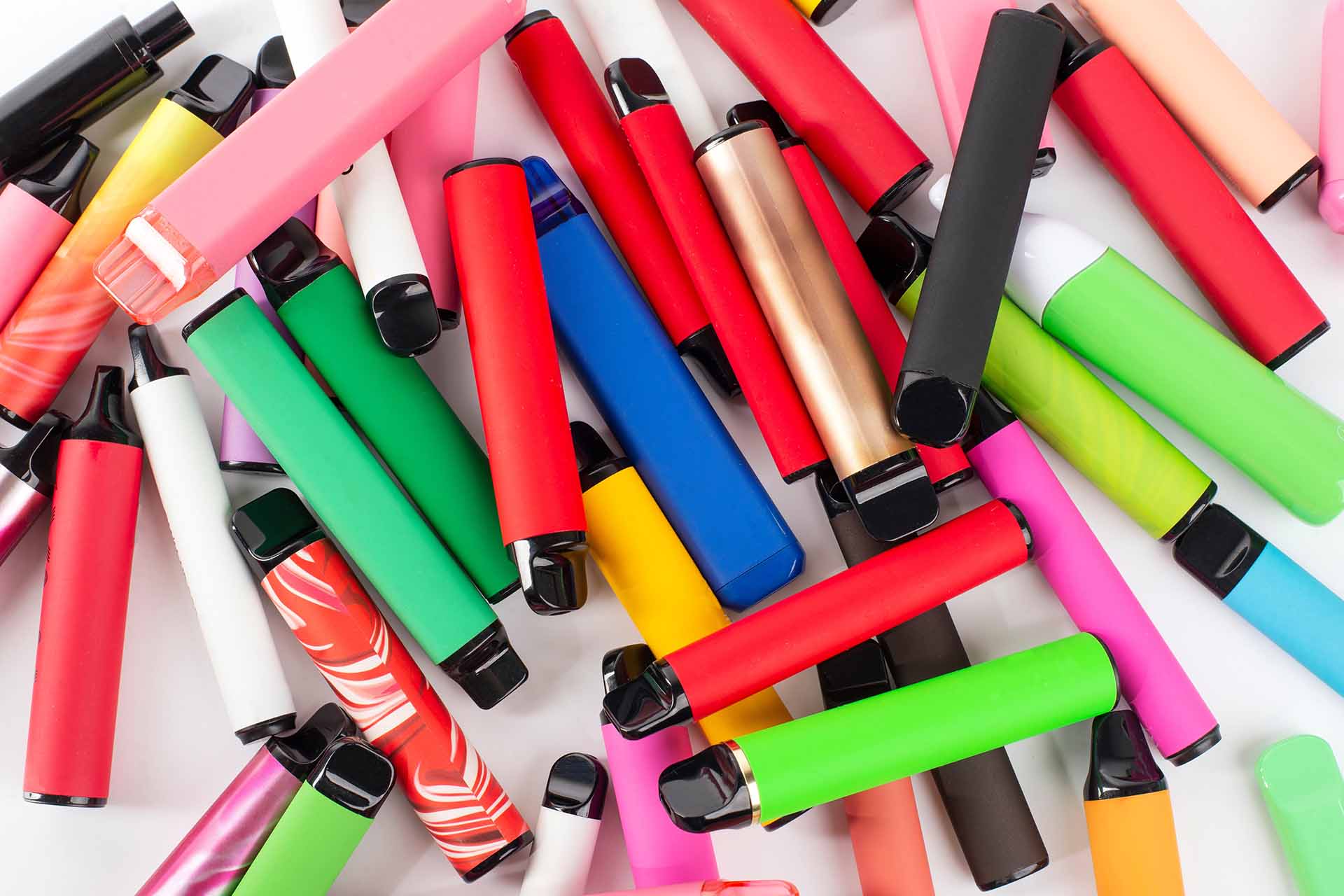
Single-Use or Disposable Vapes: Explained

Reusable Vapes: What Sets them Apart?

Examples of Reusable Vapes

Compliance Note

Enforcement of the New Regulation

Conclusion

Thriving in the UAE Vape Industry: Starting a Vape Business

Understanding Vape Regulations in the UAE

Navigating the Vape Market in the UAE

Licenses and Permits Required for Starting a Vape Business

E-Cigarette License Registration

E-Cigarette Commercial Trading License

MoIAT Certification

Free Sales Certificate

Dubai Municipality’s License

The Benefits of Working with Established Manufacturers like Xyfil in the UAE

Conclusion

Incoming UK Disposables Ban: Getting Ahead of the Ban

The winds of change are upon the vaping industry once again, as the UK government’s plan to ban various disposable vape products comes into sharper focus. For brand owners and businesses entrenched in this dynamic market, the need to pivot and explore sustainable alternatives is not just a forward-thinking strategy — it’s a necessity in the face of impending legislation.

The Disposables Ban: A New Direction for Vaping

The proposed ban, a response to the rise in youth vaping, will prohibit the sale of certain flavoured E-Liquids and the often-criticized disposable E-Cigarettes. The ban aims to safeguard the younger generation against the potential harm and lifelong addiction risks associated with various nicotine products.

With the end of 2025 being the target date for the ban, businesses must quickly adapt to new regulatory measures and explore how to transition their offering to approved products. This shift is more than just a compliance task; it’s an opportunity for brands to align with consumer values and establish a long-term, responsible presence in the market.

Implications for Businesses

For enterprises still heavily reliant on disposable vape sales, the ban could signal significant operational and financial implications. Ranging from inventory management to supply chain restructuring, the effects will cascade down the business models, requiring comprehensive overhauls. Still, the ban presents a promising horizon, encouraging innovation and diversification across the industry.

The Alternatives: A Path to Sustainability

Staying ahead in the competitive market means offering something unique and in demand. As disposables phase out, there are several product lines that brand owners can consider maintaining their edge.

E-Liquids for Refillable Devices

One of the most popular alternatives is the thriving market for E-Liquids designed for use with refillable devices. This not only capitalizes on the sustained popularity of vape products but also promotes reusability and waste reduction. Manufacturers can capitalize on this by offering an array of E-Liquids in terms of flavours, nicotine strengths, and ratios.

Pod Devices: The Middle Ground

Pod devices serve as a comfortable bridge for consumers making the transition. Offering the convenience of disposables with the sustainability of a rechargeable model, these products are poised to captivate the market’s adaptable segments. Brands can develop their lines with sleek devices that boast long-lasting battery life, and versatile features, combined with their E-Liquid formulations to entice their customer base.

Other Nicotine Delivery Products

Beyond E-Cigarettes, there is a burgeoning demand for alternative nicotine delivery methods (ANDs), which include heated tobacco products and various non-combustible options such as nicotine pouches and sprays. This diversification allows businesses to pivot within the larger nicotine market and explore adjacent territories that align with their production capabilities and brand identities.

Case Study: Pioneering Paths

The transition from disposables to sustainable nicotine products is not new — it’s a trail already being blazed by industry leaders.

Innovating with Sustainable Kits

One such pioneer is Pod Salt, an award-winning British E-Liquid brand. Their latest innovation, Pod Salt Evolve, is a pod device kit that delivers both performance, satisfaction, and sustainability. By offering a product that addresses the legislative changes without compromising on user experience, Pod Salt exemplifies the success possible through strategic innovation.

Conclusion: Embracing Change with Xyfil

The disposables ban, although a significant shift, is a challenge that the robust vaping industry can navigate with innovation and adaptability. Xyfil, a leading vape manufacturer in the UK, has proven expertise in helping businesses successfully pivot to compliant and popular E-liquid lines.

For businesses looking to evolve their offering, Xyfil stands as a trusted industry partner, capable of swiftly manoeuvring through the complex regulatory landscape and emerging with products that win both consumer preference and regulatory approval.

As the market reshapes in the wake of the disposables ban, teaming up with Xyfil can be your strategic advantage — ensuring that your brand's future is as sustainable as it is successful. Contact us today to begin your journey towards transforming disposables into compliant, award-winning E-Liquids poised to lead the next wave of the vaping industry in the UK and beyond.

Stay Ahead of the Ban: Transition to E-Liquids with Xyfil

The vaping industry is a dynamic and rapidly evolving sector, constantly moulded by technological advancements, consumer trends, and regulatory changes. With discussions currently underway regarding a potential ban on disposable vapes in the UK, staying abreast of these regulatory shifts is crucial for longevity and success in this fast-paced market. It is more imperative than ever to consider strategic adjustments to your brand's product offerings, ensuring compliance with future regulations while meeting changing consumer demands.

Talks of a potential disposable vape ban in the UK

The ongoing discussions about a potential ban on disposable vapes in the UK are gaining momentum, fuelled by two primary concerns - underage vaping and environmental waste. Policymakers are increasingly mindful of the allure these easily concealed, flavoured devices may hold for young people, sparking fears of a new generation developing nicotine addictions.

Simultaneously, environmental implications associated with these products' disposal are raising eyebrows, as they contribute to electronic waste with their single-use nature. The situation mirrors developments in France, where authorities are actively considering a similar ban. These discussions could potentially herald a significant shift in the vaping industry landscape, affecting both manufacturers and consumers alike.

France has already begun proposing a disposable vape ban, and with UK figureheads echoing these sentiments, it might only be a matter of time before similar measures are implemented here. To ensure your brand stays ahead of this potential ban, now is the time to consider transitioning from disposable vapes, or broadening your brand, to E-Liquid products.

Why shifting to 10ml E-Liquid could benefit your brand

The proposed ban on disposable vapes could leave many brands scrambling to find suitable alternatives. However, with Xyfil's expertise as a leading E-Liquid manufacturer in the UK, this transition can be seamless and beneficial for your brand.

Shifting from disposable devices to 10ml E-Liquid bottles offers several advantages, such as:

  • Compliance with potential future regulations: Restructuring your product offerings now will ensure your brand is ahead of any potential regulations, preventing any disruptions to your business in the future.
  • Catering to changing consumer demands: There is a growing focus on cost-cutting for customers thanks to the cost of living crisis, and E-Liquid offers more for their money.
  • More room for development and customisation: With E-Liquid, your brand can offer a range of flavour options and nicotine strengths, catering to a diverse customer base. Additionally, you have the freedom to experiment with different formulations.

How Xyfil can help you transition from disposable vapes

At Xyfil, we understand that transitioning from disposable vapes may seem daunting. However, we have streamlined our services to make this transition as smooth and efficient as possible.

As a leading vape manufacturer in the UK, we offer:

  • Streamlined production and packaging services: We can take your ready-made formulations and bottle them into high-quality, bespoke packaging that suits your brand's aesthetic.
  • Award-winning nicotine salts: Our premium nicotine salts provide a smoother, more satisfying hit for consumers.
  • ISO & GMP certified facilities: Our state-of-the-art production facilities adhere to the highest quality standards, ensuring your brand's products are of the utmost quality and safety.
  • Over ten years of experience in helping hundreds of brands in the UK and overseas to develop their E-Liquid brands, including the renowned UK brand Pod Salt.
  • Complete traceability with your products to ensure the quality of your products and adhere to the brand.
  • Bespoke services that can help you with compliance and regulations around the world, bottling for other products or existing formulas and a respected R&D department to help you elevate your brand further.

Make the switch to E-Liquids with Xyfil today and ensure your brand remains ahead of any potential disposable vape ban in the UK. Contact us now to learn more about our services and how we can help your brand thrive in the ever-changing vaping industry.