Blog

The Worldwide Growth of the Vape Market Despite Unrest

The Future of the Vape Market

Challenges and Sustainable Practices

Key Factors Contributing to Market Resilience

Technological Advancements

Evolving Consumer Preferences

Impact of COVID-19 on Smoking Habits

Case Study: Pod Salt's Success Amidst Regulatory Hurdles

Strategic Innovation

Compliance and Adaptation

Strategies for Vape Brand Owners to Stay Competitive

Product Diversification

Community Engagement

Conclusion

Flavours Around the Globe: International Vape Tastes

In the expansive market of vaping, one thing is clear—the world is full of a myriad of unique and diverse flavour preferences. To understand and cater to these preferences is to unlock a world of potential for vape brand owners. We've taken a look at the flavour landscapes across different continents, highlighting what's popular in the UK, the European Union, and the United Arab Emirates.

While exact flavours may vary between customers, these insights can help equip your vape products to delight a wide range of customers, leading to a stronger brand presence and increased market share.

The Variety of Life

Starting with a quick look at different flavours around the world, it's important to understand how much these flavours can vary from one place to another. These differences show us not just how cultures vary but also what local customers like. In the vape industry, whether a product succeeds or fails can depend a lot on whether people like its flavour.

UK's Vape Flavour Affair

In the UK, vapers are known to have a preference for complex fruity blends that invigorate the senses. Think lush tropical fruit salads dotted with tangy add-ins like pineapple or a hint of mango. This love for complexity stems from the thriving vape culture that values innovation and uniqueness.

EU’s Fruity and Tobacco Eclipses

Similarly, certain countries within the European Union gravitate towards rich fruity concoctions. However, the Union's recent regulations have also led to a surge in demand for simple, standalone fruit flavours, as well as an upswing in tobacco-infused options. The latter has become a way for vapers to adjust to the increasingly popular tobacco flavour when more complex ones are unavailable.

UAE's Prefers Simplicity

Turning to the UAE, the market for vape flavours leans towards simplicity, with a preference for straightforward, single-note flavours. This is partly due to the cultural inclination towards less ostentatious tastes and an increased demand for less-complicated vaping experiences.

Understanding these nuances not only informs you about the types of products that will be well-received but also provides an opportunity to educate your consumers on new and unique flavour profiles they may not have encountered otherwise.

Top Flavours for Countries

Now, with a closer look at specific flavours that have garnered popularity, brand owners can tailor their product offerings to meet consumer demand and take advantage of these informed insights. We took a look at the most popular Pod Salt flavours to find what global vapers were enjoying the most.

UK

The UK market continues to show a fondness for complexity, with Pod Salt's Pacha Mama Fusion Strawberry Kiwi Ice, Core Mixed Berries Ice, and Nexus Lime Raspberry Grapefruit emerging as top favourites. These sophisticated blends of multiple fruits coupled with refreshing undertones are highly sought after, indicating a mature palate among British vapers.

EU

Meanwhile, in many countries within the EU, fruity flavours also reign supreme. Pod Salt’s Banana Ice, Lychee Ice, and Watermelon Ice have become synonymous with European vaper preferences. Notably, those countries where flavour bans have taken over, display a growing affinity for tobacco-flavoured vapes, seen in Pod Salt’s Cuban Crème, Virginia Gold and fruit-infused tobacco, which offer a bridge to retain and attract customers in the wake of flavour restrictions.

UAE

In the UAE, the no-frills nature of Pod Salt's range of simpler flavours has struck a chord. Vapers in the Emirates have shown a preference for standalone fruit notes and cooling sensations, with Banana Ice, Mango Ice, and Blueberry Pomegranate proving to be crowd-pleasers. Also proving popular are shisha-inspired blends like Double Apple which blend fruit with an aniseed aftertaste.

Each of these observations represents an opportunity for vape brand owners to align their product offerings more closely with the specific tastes of these regional markets.

Work With the Best Flavours in the Business

Finally, to capitalize on this global market, vape brand owners can collaborate with leading flavour specialists like Xyfil. By partnering with Xyfil, brands can access a vast array of established white-label flavours that have been meticulously crafted to meet the demands of the international market.

Xyfil offers a range of services, from providing an extensive catalogue of white label flavours to working with our award-winning flavourists who can develop custom blends tailored to the target market's unique palates. Through this tailored approach, brands can ensure that their products not only adhere to regional taste preferences but also stand out in a crowded market for all the right reasons.

In conclusion, understanding and incorporating global flavour preferences into your vape product strategy is a powerful way to elevate your brand's position in the international market. By catering to the diverse and rich tastes of the UK, EU, and UAE consumers, you can craft a vape experience that's not only top-notch in quality but also resonates with the local culture and consumer base. Partner with the right flavour experts, stay true to the local ethos, and watch your brand flourish across the continents.

Xyfil Turns 10: A Decade of Industry Innovation and Growth

This year, we at Xyfil are excited to celebrate a pivotal milestone that marks a decade of revolutionizing the E-liquid, CBD, cosmetic, and personal hygiene manufacturing industries. What began as a small venture in the UK has blossomed into an international behemoth known for its unwavering commitment to quality and innovation.

A Genesis of Ambition and Dedication

Established in 2014 with a team of just three visionary leaders, Xyfil originally occupied a modest 1,000 sqft building. The canvas was small, but the dreams were vast. Our early days were characterized by relentless dedication to research, development, and customer service. We understood that the nascent E-liquid industry demanded excellence, and we positioned ourselves to exceed expectations from the outset.

Expanding Our Horizon

The subsequent years witnessed remarkable growth for us at Xyfil. By 2018, our workforce had expanded to 75 employees, and our production facility had upgraded to a sprawling 18,000 sqft building. This investment in infrastructure was complemented by our assurance of quality, as we proudly achieved ISO certification. Our turnover surged to £7 million, a testament to the trust our clientele vested in our products and services.

Pioneering Pathways

Emerging as a market leader, Xyfil did not rest on its laurels. Our commitment to setting new standards was unwavering. In 2019, we made an indelible mark in the UAE, establishing a headquarters that not only facilitated our expansion into the Middle East but also allowed us to be the first to have products published through ESMA regulations. This was not just about geographical reach; it was about setting precedents for compliance and excellence in all our operations.

Setting Ourselves Apart

Throughout the next few years, our growth remained relentless. We continued to bolster our presence in the Middle East, expanding our headquarters and our workforce. Our sister company, an e-commerce platform, grew to operate in 24 global stores, and our renowned brand, Pod Salt, became available in an impressive 61 countries. These accomplishments were more than just numbers; they were a demonstration of Xyfil's enduring quest for global impact and recognition.

Even with challenges such as the pandemic, Xyfil remained running and continued to support our customers amidst exponential price hikes on materials and more. As the industry and compliance landscape for E-liquids change in the UK and globally, we are positive and excited to meet these challenges head on while maintaining our lead as a world class manufacturing partner for our customers.

Gratitude and Anticipation

As we look back on this remarkable trajectory, we are filled with immense gratitude for the loyal support of our employees, customers, partners, and suppliers. This milestone is a shared victory, and we are fiercely proud of the community that has stood by us. We recognize that the trust we have earned demands an even greater commitment to excellence and innovation. The next decade promises more growth, more opportunities, and more reasons to celebrate.

By Your Side, Into the Future

The story of Xyfil's 10-year legacy is not just about the past, but about the synergy that we continue to build with our partners as we step into the future. Our dedication to delivering superior products and fostering a sustainable and ethical working environment remains resolute. Our vision is clear, and our focus is sharper than ever as we continue to lead the charge in our industries.

We thank you for being part of our story and look forward to many more years of partnership, growth, and success. Together, we are poised to redefine the benchmarks that guide our industries, and for that, we are truly grateful. Here's to the next decade of daring innovation and unparalleled quality.

Belgium Joins the Disposable Vape Ban List

The vaping industry is facing a significant environmental and regulatory shift as countries begin to reflect on the convenience of disposable vapes against their considerable waste and potential health risks.

The Controversy Surrounding Disposables

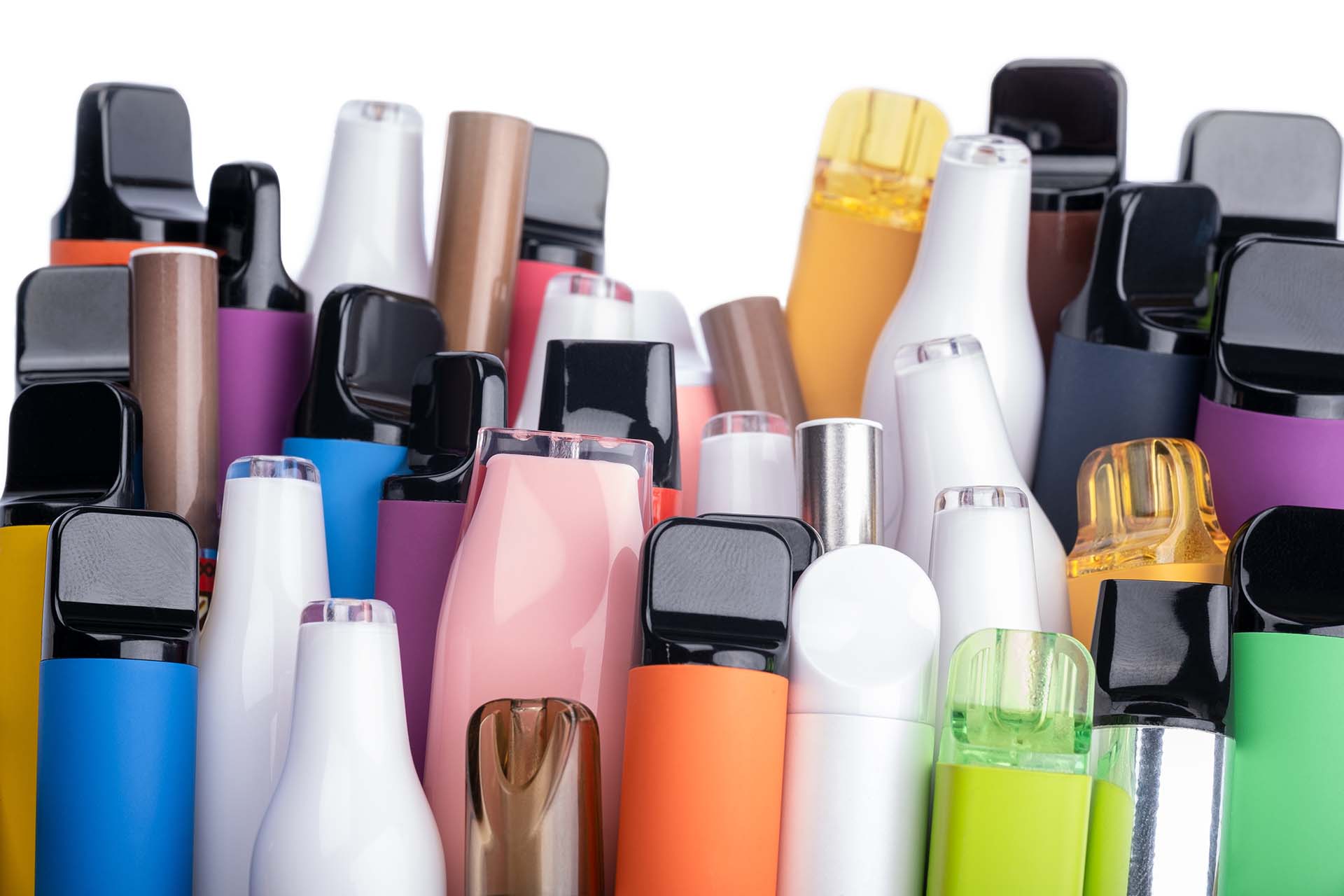
The meteoric rise of disposable vapes has been accompanied by controversy. On one hand, enthusiasts praise the convenience and reduced health risk when compared to traditional combustible tobacco. On the other, the industry's heavy reliance on plastics and fears of an 'addiction conveyor belt' to traditional smoking, particularly in youth, have been alarming to policymakers and environmentalists.

Environmental Concerns

One of the most pressing issues policymakers have been warning about with disposable vapes is the environmental impact. Landfills are increasingly burdened with single-use plastics, and vaping devices are no exception. The lithium-ion batteries and various metals and plastics that construct these devices pose a significant problem for waste management and have long-lasting implications for the environment.

Protection of Minors

The compact and often brightly-coloured design of disposable vapes is at the heart of another concern – their appeal to minors. While there has been much debate on the topic, governments have been quick to pin the rise of under-age vaping on disposable vapes. The ease with which these products can be concealed and handled triggers fears of a new generation addicted to nicotine.

Belgium's Ban and Its Implications

Joining the fold of nations seeking to address these concerns, Belgium has pledged to ban disposable vape products. This prohibition is set to cover both nicotine and nicotine-free variants, making it one of the most comprehensive bans yet seen in this domain. The Belgian government, reflecting public sentiment and health concerns, is expected to publish the ban legislation around May to June 2024, with a tentative start date of January 1st, 2025.

The Ban's Scope

The prohibition will affect a broad range of disposable devices, including popular brands that currently dominate the market. The decision to include nicotine-free products is an important distinction, signalling that this ban is as much about health as it is about the environment. For Belgium, this decision could provoke change on multiple fronts, catalysing infrastructure for and consumer confidence around more sustainable alternatives.

Industry Response

Brands and manufacturers are scrambling to reassess their product lines in response to these bans. The shift away from disposables will necessitate a pivot toward more sustainable and reusable options such as rechargeable kits and E-Liquid refills. The Belgian market, as a result, is poised for a transformation that requires agile and forward-thinking leadership from industry stakeholders.

Retailer Resilience

Vape retailers play a critical role in the market, acting as gatekeepers to consumers. They will need to rapidly adjust their inventory, information management, and even staff training to accommodate the transition toward non-disposable products. This implies significant investment and rethinking of business models for some who only deal in disposable products.

Preparing for a World without Disposable Vapes

The upcoming ban in Belgium is not an isolated incident. Countries around the world are wrestling with the same issues, and similar legislation is anticipated elsewhere. For the vaping industry, this is a compelling signal to anticipate and prepare for change.

Innovating Away from Disposables

The ban on disposable vapes creates an innovation opportunity for companies within the vaping sector. By now, it's clear that the old 'take, dispose-of, and repeat' model is untenable. Thus, there's room for innovators to step up and find new formats and materials that don't contribute to environmental problems and provide even more benefits to customers.

Navigating New Regulations

Regulatory changes can be overwhelming, particularly for smaller players in the market. Staying informed and engaged with the policymaking process is crucial. This ensures that when new regulations are introduced, businesses are not caught off-guard and can pivot strategically. Working with reputable manufacturers like us here at Xyfil, who work in tandem with brands across the globe, can help ease the burden of regulatory changes and make fast, efficient changes to keep your brand afloat.

Educating the Public

With the inevitable shift away from disposables, there's a responsibility to educate consumers about the changes and the reasons behind them. The public needs to become aware of the solutions that the industry is providing, and educate why these are essential, to help avoid a potential black market situation.

The Role of Sustainability

Sustainability is becoming a key differentiator in the market. Consumers are increasingly seeking out brands and products that align with their values, and this is true in the vaping industry as well. Companies that lead the charge in sustainability stand to benefit from a positive image and potentially, new market opportunities.

Conclusion

Belgium's move to ban disposable vapes is a clear sign of a broader shift happening within the vaping industry. While they are not the first they will unlikely be the last. Perhaps it's time to make changes to combat these regulatory shake-ups, rather than trying to cling to what was before.

For brand owners and vape retailers, the proactive response to these changes will be pivotal – ensuring not just compliance but also market relevance and growth in a landscape that is rapidly transforming. The disposable vape ban is more than a regulatory issue; it's a call to redefine the essence of the vaping experience, integrating it with the values of personal and environmental health, as well as the long-term sustainability of the industry.

New Zealand’s Ban on Disposable Vapes Coming Soon

The landscape of the vaping industry is rapidly being reshaped by stringent regulations and public health initiatives, with New Zealand recently joining the movement by banning disposable vapes. This is part of a global trend that has seen several countries take steps to curb the growing use of vaping among young people and protect public health.

For vape brand owners, this kind of legislative action is not just a change in the legal environment but also represents a significant shift in business planning, product development, and marketing strategies. Here, we explore the profound implications of New Zealand's ban on disposable vapes and the ripple effect it may have on the industry at large.

Disposable Vapes on the Chopping Block

In an effort to combat youth vaping and reduce the environmental impact of these single-use devices, New Zealand's recent move is not surprising. With the ban soon to be enacted, vape brand owners need to take note and adjust their operations accordingly. The ban is part of the Smokefree Environments and Regulated Products Act, and it prohibits the import, sale, and supply of disposables, including severe penalties for those caught selling vapes to minors.

The action in New Zealand follows a similar ban in the UK, which is yet to receive a solid date for enactment. The latest ban underpins the global trends of a crackdown on youth vaping, but it's also emblematic of a broader rejection of 'convenience culture,' with its single-use, plastic product that has come to represent a public nuisance and environmental hazard.

Regulatory Impact for Vape Brand Owners

The most immediate impact for vape brand owners will be on the sale of disposable vapes. It is clear that the convenience offered by these simpler devices is no longer a justification for their proliferation in the market. Manufacturers must now pivot to more sustainable practices that align with both the legal requirements and consumer preferences. While many brands sell other vape products as well as disposables, disposable-only brands will need to either rethink their product offerings or take their products elsewhere.

The Ongoing Update to Reusable Vapes

The new regulations also touch on re-chargeable vape devices. Brands have until October 1st to ensure their devices include features such as child-resistant and tamper-evident packaging and meet other safety and quality standards. This presents an opportunity for companies to innovate and develop products that cater to the changing demands and expectations of regulators and consumers alike.

In addition to these new requirements, branding and marketing restrictions are tightening. Vape brands will no longer be able to use imagery that may appeal to young people, including cartoons, or have flavours with names that could attract the youth demographic. This update has since come into effect as of March 21st.

The Big Picture

The ban on disposable vapes is just one example of the broader regulatory shifts taking place in the vape industry. The trend is clear – governments are taking an increasingly active role in shaping the market to align with public health and environmental sustainability.

This presents challenges, but also opportunities. It encourages product innovation and a focus on long-term environmental stewardship. It prompts brands to engage in transparent, educational marketing aimed at adult consumers and invest in robust, multi-channel age verification systems to prevent underage sales. Although it may seem daunting, the current regulatory environment should be seen as a chance for brands to redefine their role and responsibility within the market.

Conclusion

As governments continue to take a hard line on vaping, the industry must adapt or face the consequences. The ban on disposable vapes in New Zealand is just one part of this global shift towards greater regulation. Vape brand owners must be proactive in navigating these changes. By upholding a commitment to regulatory compliance, product innovation, and environmental stewardship, brands can not only survive but thrive in the new market reality.

It is clear that the vape industry is at a crossroads, and the decisions made now will shape its future. By recognizing the opportunities that come with these changes and approaching them with a spirit of innovation and sustainability, vape brand owners can secure a place for their products in the evolving marketplace. Now more than ever, it is essential to be proactive, versatile, and forward-thinking in order to build a resilient and successful business.

Recent MHRA Updates You Need to Know About

In a bid to tighten regulations and ensure public safety, the UK's Medicines and Healthcare products Regulatory Agency (MHRA) has made a wave of updates that directly impact the vaping industry. For vape brand owners, keeping a finger on the pulse of these changes is not just advisable—it's imperative to remain compliant and protect the integrity of your business.

This detailed blog unpacks the recent updates and highlights why awareness is your best defence against regulatory infractions.

The Disposable Ban Looms

The phasing out of disposable e-cigarettes in the UK is one of the most significant changes on the horizon. While official legislation is pending, the intent is to ban these products with a 6 month grace period for businesses to adjust.

This move will reshape the vaping market, pushing for sustainability and longevity in product design. Businesses that have relied on disposables will need to innovate and pivot their offerings to maintain market share post-ban.

For those new to the industry, avoiding investments in disposable products is a strategic move. For existing businesses, it's an opportunity to reassess and diversify their product lines. Alternatively, there are many markets overseas such as the UAE, where disposables are still highly in demand - perhaps consider tailoring your products to these other markets? Contact us for help in taking your products overseas.

Operation Joseph in Full Swing

Operation Joseph, a government-sponsored initiative, is at the forefront of the UK's drive to ensure vaping product compliance. This multi-agency operation brings together the MHRA, Trading Standards, The Chartered Trading Standards Institute, The National Trading Standards Strategic Intelligence Unit, and other regulatory partners to quash illicit sales to minors and combat counterfeit vaping products.

One of the operation's startling findings is that in quarter 1 of 2023-24, 25.3% of test purchases resulted in the sale of vaping products to minors. Similarly, in this same time frame, 749,806 illicit vapes were seized. These figures only highlight the growing need for action.

The implications for vape brand owners are clear—compliance checks are intensifying. It's now more critical than ever to have robust age verification systems and airtight regulatory adherence embedded into business practices.

Improper Submission Type

A concerning development from Operation Joseph is the detection of businesses misappropriating submission types, leveraging them to push through non-compliant products. This deceptive tactic of 'type-jumping' for product approvals not only circumvents regulations but also endangers public health by introducing untested or substandard goods into the market.

False or misleading information:

"49.  A producer or retailer is guilty of an offence if that producer or retailer provides information to a person pursuant to any obligation in these Regulations if—

(a)the information is false or misleading in a material particular; and

(b)the producer or retailer who provides the information either knows it to be false or misleading in a material particular,  or is reckless as to whether it is false or misleading in a material particular."

Those identified to be potentially false or misleading will be assessed and if determined to be misleading, false or notified using an incorrect submission type, will be deemed incomplete and removed from UK Publication until the required corrective action has been completed. The MHRA will inform you of the temporary decision and provide an opportunity to establish compliance of the Notification or take the appropriate corrective action. Once this has been completed the MHRA will review your response and publish the corrected notification or permanently withdraw the relevant Submission if compliance cannot be achieved.

For vape businesses, this signals the need for a transparent and honest approach to product submissions. Any shortcuts or attempts to skirt approval processes could spell legal and reputational disasters.

Misuse of the MHRA Logo

An unexpected discovery of Operation Joseph's investigations was the improper use of the MHRA logo by some vape businesses. This contravenes regulations that prohibit the use of the MHRA's insignia in marketing materials without express permission.

Misrepresentation through logo misuse is a deceptive practice that compromises consumer trust and portrays an unauthorized endorsement. Brand owners must take this revelation as a warning, ensuring their marketing is both legal and ethical, with close attention to logo usage guidelines.

In conclusion

The essence of these updates is clear: the vaping industry is under the microscope, and ignorance of the law is no excuse. Staying informed and proactively adjusting business operations to align with regulations is the safest course to sail in this new era of compliance vigilance.

While these updates might seem daunting, they also present opportunities for businesses to differentiate themselves through transparency, superior products, and strong corporate responsibility.

In conclusion, navigating the shifting vaping regulations with diligence and foresight will not only keep you on the right side of the law but will also earn you consumer respect and loyalty. As updates continue to roll out, we'll be here to keep you informed and your business ahead of the curve.

8 Vape Packaging Trends for 2024

Packaging is more than just a means for holding products; it's an essential aspect of branding, consumer engagement, and sustainability. In the dynamic world of vaping, packaging trends evolve to captivate an audience that is not just looking for high-quality products but for experiences. Here are eight vape packaging trends that are sure to make a statement in 2024, shaping not only the look of products but also the future of the industry.

1. Sustainable Materials

The Eco-Focused Vaper

In a world where climate change and sustainability are at the forefront of consumer consciousness, vape companies will likely embrace eco-friendly packaging with open arms. The year 2024 will see a significant shift towards materials like biodegradable plastic, recycled paper and card, that can outperform traditional options in terms of recyclability and sustainability.

The Impact on Brands

Brands that make the switch to sustainable materials can expect a boost in their eco-credentials, appealing to a growing demographic of vapers who make purchasing decisions based on environmental impact. Not only that but with governments looking to increase sustainable measures, there may be soon a change in requirements for more sustainable vape packaging.

2. Minimalist Designs

The Art of Less

Amid the noise of competing brands, minimalism speaks volumes. In vape packaging, a minimalist design doesn't just mean clean lines and a simple colour palette; it's an intentional focus on essential information and a sleek, professional aesthetic. Brands are stripping away clutter to present a calm and confident image that suggests quality and reliability.

Maximal Impact, Minimal Effort

When done right, less is more. Brands like Supergood have established their minimalist approach through their entire collection of E-Liquids, focussing on brand messaging, bold text, simple patterns and eye-catching colour combinations. This no-nonsense style of packaging is efficient and effective.

3. Interactive Packaging

Engaging the Senses

The future of vape packaging is interactive, inviting the consumer to touch, feel, and experience the product before it's even opened. QR codes, hidden features, and even packaging that doubles as a game or puzzle may become more common, creating a stronger bond between consumer and brand.

Virtual Interactivity

Brands can embrace the growing interest in augmented reality (AR) to create a virtual interactive experience. With a simple smartphone app, vapers can unlock hidden videos, product information, or even digital environments that complement the brand's narrative.

4. Going back to the Basics

Purposeful Simplicity

The trend towards reducing excess in packaging means brands are looking to create packaging that is not only aesthetically pleasing but functionally minimal. These designs focus on reducing the use of plastic and secondary packaging to the bare essentials, aligning with a more environmentally conscious consumer mindset while maintaining usability and effectiveness.

5. Upcoming Regulatory Challenges

Staying Versatile

2024 will be marked by an industry on its toes, ready to pivot as packaging regulations continue to shift. The UK government’s proposed changes to vape product packaging are a stark reminder that adaptability and foresight are vital for brands.

The Changing Landscape

In response, vaping companies must design packaging that accommodates future regulatory requirements without sacrificing brand identity. Transparency with ingredients, simple flavour names and creative use of simple patterns and colours will become a key part of the packaging strategy.

6. Bold Colors and simple patterns

Making a Splash

For brands looking to stand out, vibrant colours and uncomplicated patterns are key in 2024. Utilising the psychology of colour, packaging can convey emotion, energy, and potency that resonate with consumers. Neon hues paired with gradients and metallic accents add a modern twist to packaging that demands attention on crowded shelves.

The Science of Colour

Rather than a frenzied jumble of colour, strategic use of a bold, primary colour or a sophisticated palette can enhance brand recognition. Brands like Pod Salt have embraced this trend by using subtle patterns with high-contrast colours to deliver a visual punch that stays with the consumer long after the purchase.

7. Storytelling Packaging

Beyond the Product

Vape packaging is not just a means to an end; it’s a storytelling tool. In 2024, brands that weave a compelling narrative into their packaging will win the hearts of consumers. Whether it's the origin of the product, the ethos of the company, or the aspirations of the vaper, the story told through the packaging adds a personal touch that connects on a deeper level.

8. Tactical Textures

The Touch is Important

Tactile engagement with packaging can enhance the user experience and leave a lasting impression on vapers. Textured surfaces, patterned finishes, and even raised elements that vapers can feel make for a package that’s not only visually pleasing but engaging on multiple sensory levels.

In summary, the packaging landscape in the vaping industry in 2024 is advancing towards sustainability, interactivity, and a more thoughtful, inclusive approach to design. As we move through the year, these trends will continue to shape the market, showing us that packaging is not just a necessary container but a canvas for creativity and innovation.

2024 Updates on Tobacco and Related Product Regulations

The regulatory landscape of the vaping industry continues to evolve with each passing day. Recent changes to the Tobacco and Related Product Regulations have stirred things up again for industry stakeholders, bringing about several adjustments they must adapt to. This article provides an overview of the new alterations across different countries.

Belgium update

Belgium, for one, has made notable adjustments to its regulations. To start with, there is an increase in the TPD fees from €165 to €200 per SKU. Additionally, annual fees of €50 per SKU kick in from this year. But it's not just about the fees -- the product labels have undergone certain changes too.

A product label can now contain the flavour of the product, in Helvetica font, only once and it should not exceed a maximum size of 10. When notifying a product, the name may only contain one word to describe the flavour. Also, the leaflet accompanying the product must now have instructions in three national languages – French, German, and Dutch. These instructions must touch base on usage and storage, warnings for specific risk groups, possible adverse effects, and other relevant information about the product.

Iceland update

Meanwhile, Iceland is taking a page out of the European Union's rulebook. The country will now limit the sizes of tanks and refills to the same standard as the EU; tanks of 2 ml and refills of 10 ml. Previously, larger devices with over 2ml capacity were allowed. This new regulation takes effect from 1 February, and while already notified products can be sold until 31 May, there is a stark prohibition on importing such products from 1 February onwards.

Latvia update

Latvia, on the other hand, has taken a somewhat drastic measure against flavoured E-Cigarettes and E-Liquids. As of 1 January 2025, any flavoured E-Cigarettes and E-Liquids (barring tobacco flavour) will be banned in the country. Retailers can, however, continue to sell these products until the end of 2024. These amendments to the Tobacco Law will come into force in mid-February.

The diverse and frequent changes to vaping industry regulations continue to keep the industry on its toes, underlining the importance for businesses to stay informed and prepared to adapt. As these regulations vary significantly from one country to another, it is instrumental for industry players to stay up-to-date with these changes in order to thrive in this dynamic market.

Incoming UK Disposables Ban: Getting Ahead of the Ban

The winds of change are upon the vaping industry once again, as the UK government’s plan to ban various disposable vape products comes into sharper focus. For brand owners and businesses entrenched in this dynamic market, the need to pivot and explore sustainable alternatives is not just a forward-thinking strategy — it’s a necessity in the face of impending legislation.

The Disposables Ban: A New Direction for Vaping

The proposed ban, a response to the rise in youth vaping, will prohibit the sale of certain flavoured E-Liquids and the often-criticized disposable E-Cigarettes. The ban aims to safeguard the younger generation against the potential harm and lifelong addiction risks associated with various nicotine products.

With the end of 2025 being the target date for the ban, businesses must quickly adapt to new regulatory measures and explore how to transition their offering to approved products. This shift is more than just a compliance task; it’s an opportunity for brands to align with consumer values and establish a long-term, responsible presence in the market.

Implications for Businesses

For enterprises still heavily reliant on disposable vape sales, the ban could signal significant operational and financial implications. Ranging from inventory management to supply chain restructuring, the effects will cascade down the business models, requiring comprehensive overhauls. Still, the ban presents a promising horizon, encouraging innovation and diversification across the industry.

The Alternatives: A Path to Sustainability

Staying ahead in the competitive market means offering something unique and in demand. As disposables phase out, there are several product lines that brand owners can consider maintaining their edge.

E-Liquids for Refillable Devices

One of the most popular alternatives is the thriving market for E-Liquids designed for use with refillable devices. This not only capitalizes on the sustained popularity of vape products but also promotes reusability and waste reduction. Manufacturers can capitalize on this by offering an array of E-Liquids in terms of flavours, nicotine strengths, and ratios.

Pod Devices: The Middle Ground

Pod devices serve as a comfortable bridge for consumers making the transition. Offering the convenience of disposables with the sustainability of a rechargeable model, these products are poised to captivate the market’s adaptable segments. Brands can develop their lines with sleek devices that boast long-lasting battery life, and versatile features, combined with their E-Liquid formulations to entice their customer base.

Other Nicotine Delivery Products

Beyond E-Cigarettes, there is a burgeoning demand for alternative nicotine delivery methods (ANDs), which include heated tobacco products and various non-combustible options such as nicotine pouches and sprays. This diversification allows businesses to pivot within the larger nicotine market and explore adjacent territories that align with their production capabilities and brand identities.

Case Study: Pioneering Paths

The transition from disposables to sustainable nicotine products is not new — it’s a trail already being blazed by industry leaders.

Innovating with Sustainable Kits

One such pioneer is Pod Salt, an award-winning British E-Liquid brand. Their latest innovation, Pod Salt Evolve, is a pod device kit that delivers both performance, satisfaction, and sustainability. By offering a product that addresses the legislative changes without compromising on user experience, Pod Salt exemplifies the success possible through strategic innovation.

Conclusion: Embracing Change with Xyfil

The disposables ban, although a significant shift, is a challenge that the robust vaping industry can navigate with innovation and adaptability. Xyfil, a leading vape manufacturer in the UK, has proven expertise in helping businesses successfully pivot to compliant and popular E-liquid lines.

For businesses looking to evolve their offering, Xyfil stands as a trusted industry partner, capable of swiftly manoeuvring through the complex regulatory landscape and emerging with products that win both consumer preference and regulatory approval.

As the market reshapes in the wake of the disposables ban, teaming up with Xyfil can be your strategic advantage — ensuring that your brand's future is as sustainable as it is successful. Contact us today to begin your journey towards transforming disposables into compliant, award-winning E-Liquids poised to lead the next wave of the vaping industry in the UK and beyond.

Maximise Your E-Liquid Production with Co-packing

As you embark on the journey of creating your next big E-Liquid range, the importance of a trusted and efficient manufacturer cannot be overstated. But, there's more to successful manufacturing than just production. A manufacturer that offers co-packing services not only saves you time and resources but also offers you peace of mind knowing your products are being handled professionally from start to finish. Our commitment at Xyfil is to provide seamless, reliable co-packing services in addition to our manufacturing capabilities, enabling your brand to thrive in this competitive market.

What is co-packing and why you should care about it

Co-packing, also known as contract packing, is a process where one company produces and packages goods for another company. This is a highly beneficial practice for businesses, especially within the E-Liquid industry, as it allows brand owners to focus on their core competencies such as product development and marketing, while leaving the complex and resource-intensive packaging process to experts in the field.

By outsourcing co-packing or finding a manufacturer that also offers co-packing as part of their services, businesses can benefit from increased scalability, cost-effectiveness, and efficiency. The scalability factor allows businesses to meet the changing demands of the market without having to invest in additional machinery or personnel. Moreover, since co-packers are skilled in their craft, they can perform the task more effectively and efficiently which in turn reduces cost and minimises wastage.

The Benefits of Co-packing with Xyfil

Choosing to co-pack with Xyfil offers several distinct advantages that can elevate your business to new heights. First and foremost, our in-house design team is at your disposal, armed with the expertise to create packaging designs that not only capture the essence of your brand but also comply with all regulatory requirements. This ensures a seamless pathway from product conception to market placement.

Moreover, our comprehensive assembly and fulfilment services take care of everything from product assembly to packaging and shipping, thereby freeing you from operational burdens and letting you concentrate on your core business strategies.

Last but not least, our GMP-certified warehouse offers a secure, fully equipped environment for all aspects of co-packing. We strictly adhere to TPD compliance and other overseas regulations, ensuring that your products are prepared following the highest industry standards. Our integrated distribution services ensure that your products reach their intended market promptly, contributing to a smooth, uninterrupted supply chain.

At Xyfil, we offer an all-encompassing co-packing solution designed to optimise the productivity of your e-liquid production, reduce costs, and boost your market competitiveness. Our commitment to quality and efficiency, coupled with our extensive experience in the industry, makes Xyfil the ideal co-packing partner for your business.

Work With a Leading E-Liquid Manufacturer in the UK

Choosing Xyfil as your partner provides unparalleled advantages, thanks to our comprehensive toll manufacturing services. Whether your product is at the initial stages or nearing completion, we can step in at any point, providing end-to-end solutions or targeted help where it's needed most. The advantage of this model is that you're not locked into a full-service package, but can choose to utilise our expertise where it best serves your business needs. This could be anything from formulation and production to bottling, labelling, and distribution.

Our experienced team ensures that each stage of the process is handled with utmost care, professionalism, and compliance to industry standards. We have a proven track record in providing high-quality, GMP-certified E-Liquid solutions, and our commitment to excellence extends to every aspect of our services.

Working with Xyfil not only takes the burden of manufacturing off your shoulders but also provides you the assurance of partnering with a company that prioritizes quality, efficiency, and your business's success. We pride ourselves on our flexibility and adaptability, always ready to meet your specific needs and help you navigate the ever-evolving E-Liquid market. Trusting Xyfil with your product means choosing a partner who’s as invested in your success as you are.