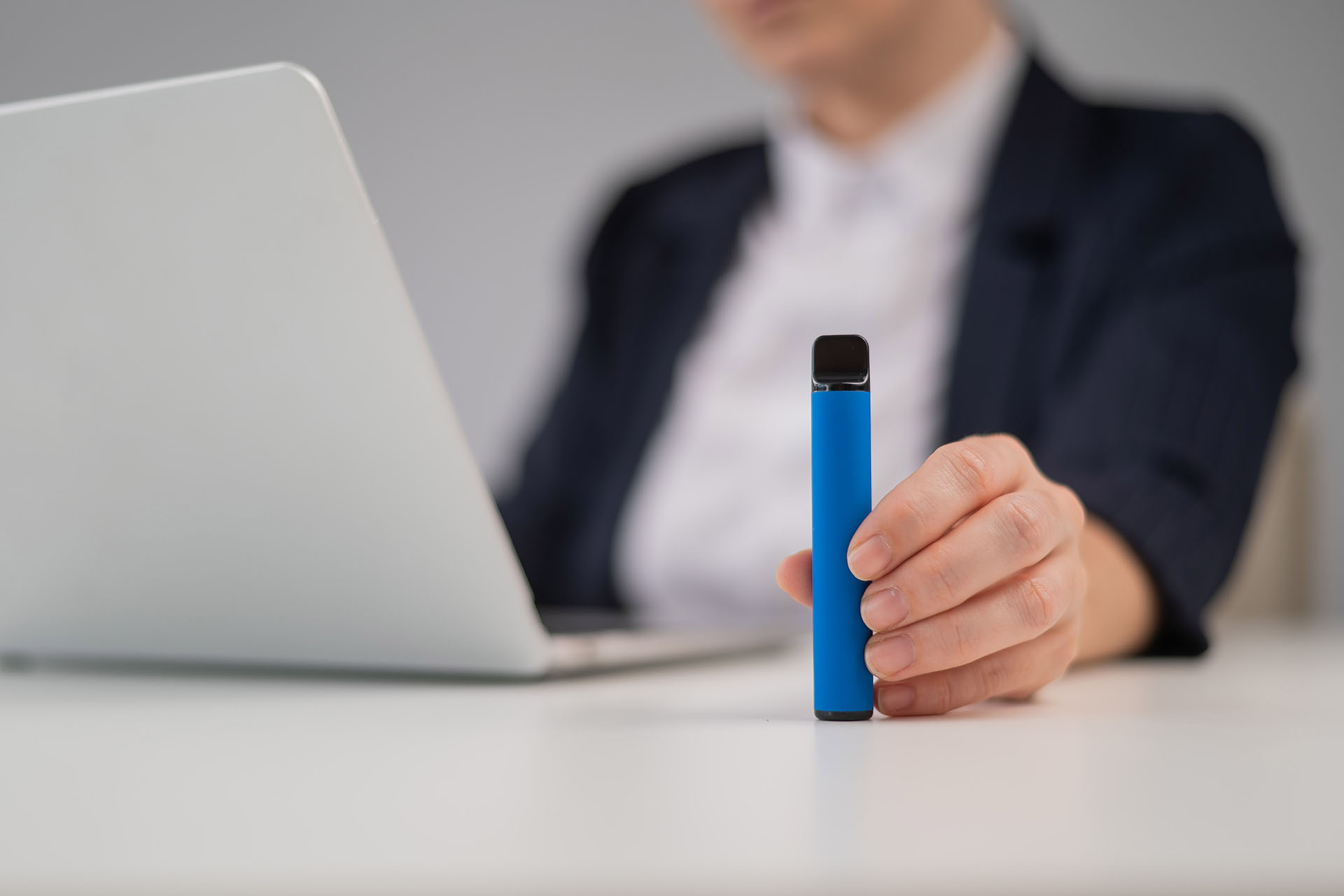

In recent years, the vaping industry has witnessed a whirlwind of regulatory changes across the globe. Governments are increasingly scrutinising vape products, especially concerning their appeal to younger audiences and environmental impact. These evolving regulations pose significant challenges—and opportunities—for vape brand owners seeking sustainable growth in this dynamic market.
Upcoming Changes to Vape Regulations in the UK
The UK has been at the forefront of vaping policy, often serving as a bellwether for other countries. However, even as it recognises the role of E-cigarettes in smoking cessation, the UK government is moving towards stricter control over vaping products. The focus is on reducing youth access and ensuring product safety. However, there is much uncertainty around these upcoming changes as no clear decisions have been made on most of the potential changes.
Currently, we're aware of the proposed disposable vapes ban, though the specifics again around this have not yet been disclosed. Similarly, the proposed vaping bill would target advertising, placement of products in store, plain packaging and even a potential ban on some flavours. Ireland will be taking these a little further.
Ireland's Further Restrictions
Ireland is taking a decisive step by proposing a complete ban on the sale, manufacture and import of single-use or disposable vape products. For vape brands, this means an urgent need to pivot towards sustainable and reusable alternatives.
Additionally, Ireland plans to implement a ban on a range of flavours, limiting consumer choices to those that do not entice younger demographics. This regulatory shift aims to curb youth vaping rates, compelling brands to re-evaluate their flavour offerings and marketing strategies.
Restricting nicotine-inhaling products to tobacco flavours only is a likely avenue though not an ideal one. The Irish government have added that provisions can be made to update the list of permitted flavours as new evidence arises. Evidence that already, many argue, already exists. The change in regulations will also impact all flavour descriptors and language, banning those beyond basic flavour names.
Restrictions on point-of-sale (POS) advertising are also part of Ireland's regulatory overhaul. These ads will be prohibited except in specialised vape-only stores, significantly limiting retail marketing opportunities. Vape brands must therefore explore innovative ways to engage consumers through digital marketing and in-store experiences.
Perhaps the most impactful change is the forthcoming major tax increase on vape products scheduled for 2025. Ireland intends to introduce a vape tax of 50c per ml of e-liquid, which could potentially double the prices of these products. This increase poses a substantial challenge for budget-conscious consumers and brands alike, necessitating strategic pricing and value propositions.
Conclusion
In light of these regulatory shifts, staying informed and compliant is not just a necessity but a competitive advantage for vape brand owners. Xyfil, with its expert compliance team, is committed to guiding businesses through this complex landscape. By partnering with Xyfil, brands can access up-to-date regulatory insights, ensuring they remain ahead of the curve.
The dynamic nature of vape regulations requires proactive adaptation. Whether it's exploring sustainable product lines, refining marketing approaches, or adjusting pricing strategies, informed decision-making will be key to thriving in this evolving market.
For brands seeking to maintain compliance and competitiveness, engaging with a knowledgeable partner like Xyfil can make all the difference. Stay connected, stay informed, and stay ahead in the vaping industry.
The vape industry has seen remarkable growth globally, and the UAE is no exception. If you are an aspiring entrepreneur or a vape brand owner, the opportunities in this market can be incredibly lucrative. However, understanding the unique aspects of the UAE market, including its regulations and business environment, is crucial for success.
In this guide, we’ll cover everything you need to know about starting a vape business in the UAE, from navigating regulations to acquiring necessary permits and the advantages of partnering with experienced manufacturers like Xyfil.
Understanding Vape Regulations in the UAE
Starting a vape business in the UAE requires a thorough understanding of local regulations. The UAE has stringent laws governing the sale and distribution of vaping products. The Emirates Ministry of Industry & Advanced Technology (MoIAT) regulates these products to ensure they meet safety and quality standards. Previously this was regulated by the Emirates Authority for Standardisation and Metrology (ESMA).
First, all E-liquids and devices must be registered with MoIAT. This involves extensive testing to meet specific criteria. Non-compliance can result in hefty fines and product seizures, making it essential to adhere strictly to guidelines.
Second, there are restrictions on marketing and advertising vape products. Digital platforms have specific rules, and any promotional content must align with regulatory norms to avoid penalties. Understanding and keeping up-to-date with these regulations is fundamental for operating smoothly in this market.
Third, it’s important to note that certain ingredients and flavours may be restricted. For instance, nicotine content is regulated, and there are limits on the types of additives that can be used in e-liquids. Ensuring your products comply with these standards is crucial for maintaining market access.
The UAE's vape market is burgeoning, offering numerous opportunities for new entrants. However, standing out requires a strategic approach.
Understanding consumer preferences is key. The market is diverse, with a mix of expatriates and locals who have varying tastes. Conducting market research to identify popular flavours and trends can give you a competitive edge.
Distribution channels also play a significant role. While traditional retail remains vital, e-commerce is rapidly growing. Establishing a strong online presence can help you reach a broader audience and drive sales.
Additionally, building brand loyalty is essential. Offering high-quality products, excellent customer service, and engaging with your community through events and social media can help establish a loyal customer base.
Licenses and Permits Required for Starting a Vape Business
Acquiring the necessary licenses and permits is a critical step in starting a vape business in the UAE. Without the proper documentation, your business could face legal issues and operational setbacks.
E-Cigarette License Registration
Securing an E-cigarette license involves several critical steps, including the submission of detailed business plans, compliance with public health standards, and demonstrating a strong understanding of the vape market. Businesses must prove their commitment to responsible selling practices and ensure their products meet the stringent safety standards set by UAE authorities.
E-Cigarette Commercial Trading License
An E-Cigarette Commercial Trading License legally permits the sale and distribution of E-cigarettes and related products. To obtain this license, applicants must provide the necessary documentation, undergo an inspection by the Dubai Municipality, and pay the required fees.
MoIAT Certification
Obtaining the MoIAT ECAS certification ensures that all products adhere to national safety and quality standards. Applicants must submit a comprehensive dossier, including product samples, ingredient lists, and detailed manufacturing process descriptions. Engaging a consultancy specializing in MoIAT ECAS certification can streamline the complex application process.
Free Sales Certificate
A Free Sales Certificate (FSC) demonstrates compliance with international standards and is vital for exporting e-cigarettes and vaping products internationally. To obtain an FSC, you must meet MoIAT’s requirements, including detailed product information submission, product testing, and ensuring all packaging and labelling comply with UAE regulations. Doing so not only facilitates legal sales but helps to show consumers that your products are of good quality and safe to use.
Dubai Municipality’s License
To open a physical retail store or outlet for your vape business, a license from the Dubai Municipality is required. This license ensures that your business adheres to health and safety regulations, providing a secure environment for your customers. This often requires submitting documentation, undergoing inspections and paying any associated fees.
The Benefits of Working with Established Manufacturers like Xyfil in the UAE
Partnering with an established manufacturer like Xyfil can significantly ease the process of starting a vape business in the UAE. Xyfil’s expertise and infrastructure offer numerous advantages that can set your business up for success. Xyfil was one of the first companies to successfully pass vape products through the ESMA (now MoIAT) regulations and has continued to help brands break out into the UAE.
One major benefit is quality assurance. Xyfil’s state-of-the-art facilities and processes ensure stringent quality control measures so that products meet international standards. This not only complies with UAE regulations but also is part of how we build trust with our consumers.
Another advantage is speed to market. Established manufacturers have streamlined production processes and supply chains, allowing you to get your products to market faster. This can be a critical factor in gaining a competitive edge.
Additionally, Xyfil offers product development support. Whether you’re looking to create a unique E-liquid flavour or need help with packaging design, our team of experts can provide valuable insights and assistance.
Hear more about some of the successes we've had overseas with our customers:
Starting a vape business in the UAE presents a wealth of opportunities, but it also comes with its challenges. Understanding the regulatory landscape, navigating the market, obtaining the necessary licenses and permits, and partnering with established manufacturers are crucial steps for success.
By working with Xyfil, you’ll be well-equipped to enter the UAE vape market and thrive. Remember, knowledge is power, and staying informed about industry trends and regulations will keep you ahead of the competition.
If you’re ready to take the next step, consider partnering with a trusted manufacturer like Xyfil to streamline your operations and ensure product quality. With the right approach and resources, your vape business can flourish in the UAE.
The nicotine landscape is potentially changing, and one product in particular is becoming more popular—nicotine pouches. You may already be aware of the rising popularity of these novel products, especially with the ongoing changes to vape regulations that have left some brands contemplating changing track. But what makes nicotine pouches so attractive? Are they just a passing fad or a genuine innovation in nicotine consumption?
Understanding Nicotine Pouches
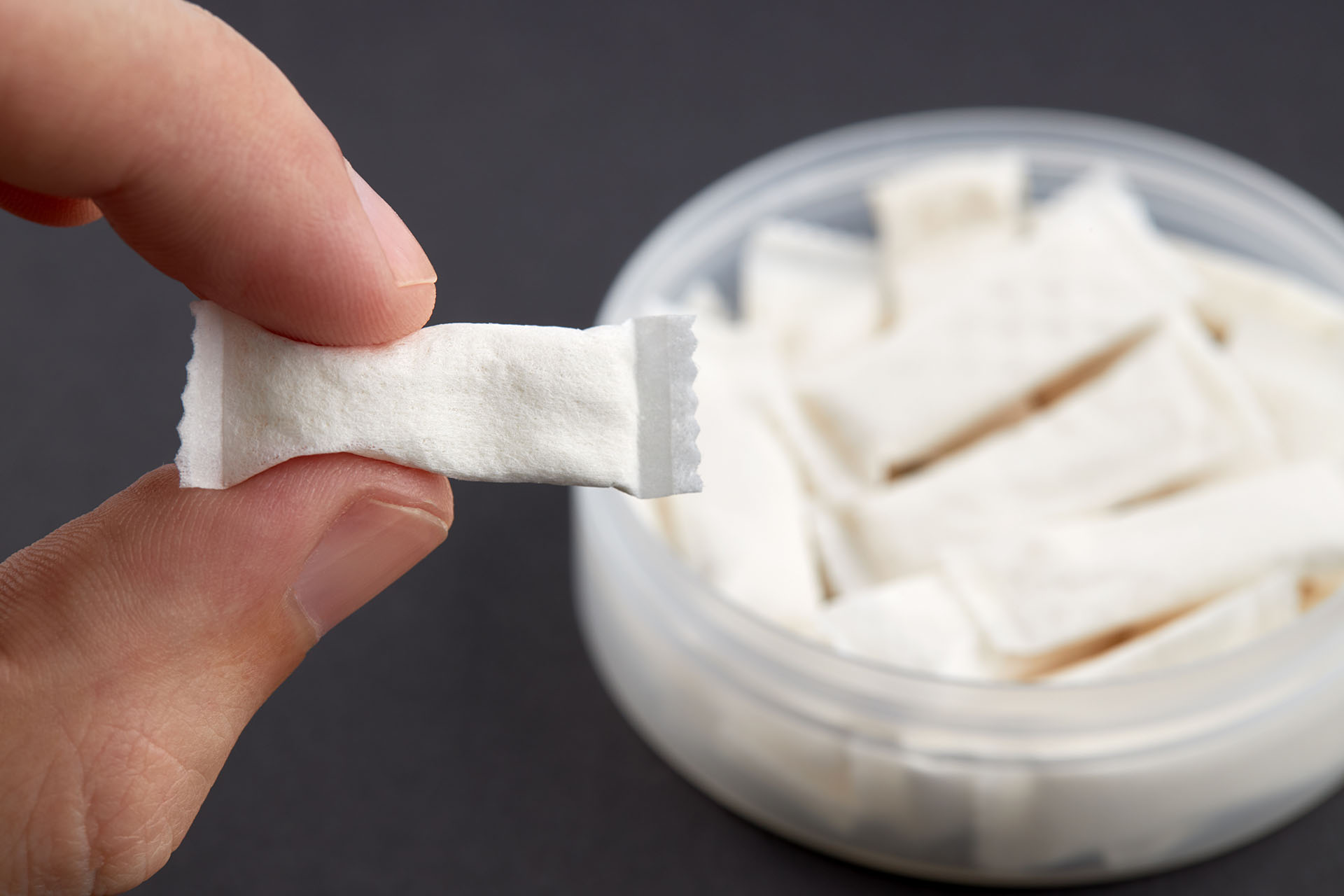
Nicotine pouches are small, discreet packets containing nicotine, but without any tobacco. They are designed to be placed between the gum and the upper lip, releasing nicotine steadily into the bloodstream. Unlike traditional tobacco products, these pouches do not require smoking, chewing, or spitting, making them an attractive option for those seeking a smoke-free nicotine experience.
Differences Between Traditional Tobacco, SNUS, and Nicotine Pouches
Traditional tobacco products like cigarettes and chewing tobacco contain harmful elements such as tar and carcinogens. SNUS, a moist product containing ground tobacco leaves, still carries tobacco-related health risks. Nicotine pouches, on the other hand, eliminate many of these risks by removing tobacco entirely. This key difference positions nicotine pouches as a safer alternative for nicotine consumers.
Market Trends and Demand
The market for nicotine pouches is growing gradually. Consumers are increasingly seeking smoke-free alternatives for nicotine consumption, and nicotine pouches fit this need perfectly. From young professionals looking for discreet use to long-time smokers aiming to quit tobacco, the target audience for nicotine pouches is broad and diverse. Though there is still some work to be done with education and marketing around nicotine pouches, their global value is set to rise exponentially by $25.2 billion over the next decade.
When compared to other nicotine delivery methods like vaping or nicotine gums, nicotine pouches offer several unique benefits. They are more discreet than vaping and often considered more socially acceptable. Unlike nicotine gums or lozenges, they provide a continuous release of nicotine, offering a more satisfying experience for many users. This sets them apart as a versatile and appealing option.
Opportunities Created with Nicotine Pouches
Integrating nicotine pouches into your product line can offer multiple benefits. Firstly, they represent an emerging market with substantial growth potential. By being an early adopter, you position your brand as innovative and forward-thinking. Secondly, nicotine pouches can help attract a new customer segment, including those who may have avoided vaping products due to concerns.
Targeting New Customer Segments and Diversifying Your Offerings
Expanding your product range to include nicotine pouches allows you to diversify your offerings. This diversification can help mitigate risks associated with market fluctuations in vape regulations. Additionally, targeting new customer segments could potentially introduce them to your existing product offering. Partnering with a reliable nicotine pouch manufacturer can further streamline this process, ensuring quality and compliance.
Important Factors in Deciding on Your Manufacturer
Choosing a manufacturer with a proven track record within the tobacco & vape industry is a critical step in ensuring the success of your nicotine pouch offerings. A manufacturer like Xyfil, known for our excellent quality controls and safety procedures, provides the reassurance that you are partnering with a reliable source.
Certification in Good Manufacturing Practices (GMP), International Organization for Standardization (ISO), and Hazard Analysis and Critical Control Points (HACCP) reflects a commitment to maintaining high standards in product safety and quality. These certifications are essential as they indicate that we adhere to rigorous industry regulations, thereby minimising potential risks associated with product recalls or health concerns.
Choosing a manufacturer with an experienced in-house compliance team ensures not only adherence to global legal standards but also builds customer confidence in the safety and integrity of your nicotine pouches. This team’s expertise in navigating regulatory changes worldwide is invaluable.
Our services span from strictly contract manufacturing, where we produce using a client's existing product formula, to purely white-label solutions, where clients adopt one of our pre-existing formulas and we apply their branding and labelling. Alternatively, we offer our standard white-label range as a starting point, collaborating with clients to create a customized lineup with unique flavours and nicotine strengths.
Conclusion
In summary, nicotine pouches represent a significant advancement in nicotine consumption, offering numerous benefits over traditional products. For retailers and vape brand owners, adding these products to your line can open up new business opportunities, attract diverse customer segments, and boost profitability. Staying informed and adaptable in this evolving market is crucial.
If you're considering taking the plunge, partnering with a reputable manufacturer like Xyfil can ensure a smooth transition and high-quality products. Don't miss out on the future of nicotine consumption—explore the potential of nicotine pouches today.
By following these recommendations and integrating nicotine pouches into your product line, you can stay ahead in the competitive vape industry. Ready to take the next step? Visit Xyfil's website to learn more about how they can help you bring nicotine pouches to your customers.
New Zealand is on the cusp of becoming a smoke-free country. This small but mighty nation is determined to take the coveted aspiration by 2025. It's a bold and ambitious goal, but one that carries significant weight and potential for global impact.
Why Smoke-free Matters
Public Health Impact
The drive to make New Zealand smoke-free is about more than just policy - it's about transforming public health. Smoking is one of the leading causes of preventable deaths worldwide, responsible for nearly 8 million deaths annually. By eradicating smoking, New Zealand aims to significantly reduce the burden of diseases such as lung cancer, heart disease, and chronic respiratory conditions.
Economic Benefits
Beyond health, achieving a smoke-free status could save billions in healthcare costs. Smoking-related illnesses place a tremendous strain on healthcare systems. Reduced smoking rates mean fewer hospital admissions, less need for expensive treatments, and a healthier, more productive workforce. This economic upturn could be reinvested into other critical areas like education and infrastructure.
Setting a Global Example
New Zealand's commitment sets a powerful precedent for other nations. Successful implementation could serve as a blueprint for countries grappling with high smoking rates. It demonstrates that with strong political will and community support, even the most entrenched public health challenges can be tackled.
How New Zealand is Aiming to Achieve Smoke-free Status
New Zealand is strategically working towards its smoke-free vision by implementing a combination of legislative measures and public health initiatives. Since the legalisation and regulation of vaping in 2020, where vaping was implemented as a means for quitting smoking, the country has seen significant changes in smoking behaviour among its population. This forward-thinking approach has sparked a remarkable 43% decline in daily adult smoking, with rates falling to just 6.8% by 2023.
"Vaping made a significant contribution to reducing adult smoking rates and would remain 'the prime tool' for doing so," New Zealand Health Minister Shane Reti said.
By promoting vaping as a less harmful alternative for smokers, New Zealand is not only providing smokers with a viable cessation tool but also progressively reducing the appeal and accessibility of traditional tobacco products. Coupled with robust public health campaigns, educational resources, and support systems, these efforts reflect a comprehensive strategy aimed at reducing the smoking prevalence to under 5% by 2025, ultimately leading to a healthier, smoke-free future for all New Zealanders.
New Zealand's Vaping Regulations
To support its smoke-free goal, New Zealand has established stringent regulations governing the vaping industry. One key regulation caps the nicotine strength in E-liquids at 20mg per millilitre, ensuring that products remain less addictive compared to traditional cigarettes. Additionally, the names of flavourings are restricted to a maximum of two words to describe their generic characteristics, promoting transparency and preventing misleading marketing practices.
Furthermore, regulations mandate that disposable vape devices must feature removable batteries, enhancing safety and sustainability by allowing for proper disposal and recycling options. However, there is likely soon to be an outright ban on disposable vapes. These measures reflect New Zealand's commitment to responsible vaping practices while fostering a healthier population.
The legislation also included new fines for retailers caught flouting the rules and selling to those under the age of 18. Retailers could face fines of up to 100,000 New Zealand dollars with individuals fined up to 1,000 New Zealand dollars. Vape product packaging is also regulated to ensure that no child-appealing images or names are used.
International Implications
New Zealand's potential victory in achieving a smoke-free status by 2025 could signal a significant turning point for vaping advocates worldwide. By embracing vaping as a regulated cessation tool rather than imposing outright restrictions, New Zealand is pioneering a more supportive framework for smokers seeking alternatives to traditional tobacco products. This approach illustrates that sensible regulation can lead to more positive health outcomes, fostering an environment where smokers have access to safer options without stigma.
Should New Zealand succeed, it will not only bolster the case for vaping's effectiveness in smoking cessation but also inspire other countries to reconsider their policies surrounding vaping. The demonstrated ability to reduce smoking rates through well-regulated vaping products would serve as a compelling argument for nations struggling with high smoking prevalence. As more governments look for viable methods to combat tobacco use, New Zealand's success could inspire a global shift towards viewing vaping as an integral part of public health strategy, enabling a smoke-free future through thoughtful regulation and support.
Conclusion
In conclusion, New Zealand's ambitious goal to become the first smoke-free country by 2025 sets a remarkable standard for public health and tobacco control initiatives globally. By effectively utilising vaping as a harm reduction strategy, the nation not only addresses smoking-related health concerns but also showcases an innovative approach that other countries may adopt.
The comprehensive regulations surrounding vaping ensure that New Zealand maintains a balance between reducing smoking prevalence and safeguarding public health. As the world watches this bold initiative unfold, New Zealand's journey could pave the way for a future where smoking is primarily a relic of the past, inspiring nations to embrace similar paths towards a healthier population and a smoke-free future.
Ultimately, the success of this endeavour lies in the continued commitment of the government, the healthcare sector, and the community at large to support and advocate for a smoke-free lifestyle.
The vape industry has seen explosive growth in recent years, making it a hot market for entrepreneurs and existing brands looking to expand. One of the most critical decisions you'll face as a vape brand owner is choosing the right E-liquid manufacturer. This choice can significantly impact your product's quality, customer satisfaction, and ultimately, your brand's success. In this post, we'll walk you through the essential factors to consider when selecting an E-liquid manufacturer to ensure you avoid common pitfalls and make the best choice for your business.
Understanding Your Needs
Before you start narrowing down potential manufacturers, it's crucial to understand your specific needs. The first step is to determine your flavour profiles. Do you want to offer a variety of fruit flavours, dessert-inspired options, or classic tobacco blends? Knowing what you want can help you find a manufacturer who specialises in those particular flavour profiles.
Next, consider the type of nicotine you want for your products. Do you want to offer traditional freebase nicotine or the increasingly popular nicotine salts? Different manufacturers may have expertise in one type over another, so it's essential to know what you're looking for.
Lastly, think about bottle sizes. Will your products benefit from small, travel-friendly bottles or larger, more economical options? The right manufacturer should provide flexibility in packaging to meet your market demands.
Quality and Safety Standards
Quality and safety are non-negotiable when it comes to E-liquids. Ensure the manufacturer follows strict quality and safety standards. Look for Good Manufacturing Practices (GMP) compliance, which is an indicator of high-quality production processes. GMP certification ensures that the products are consistently produced and controlled according to quality standards.
Ingredient sourcing is another critical aspect. The manufacturer should use high-quality, pharmaceutical-grade ingredients to guarantee the safety and efficacy of the E-liquids. Contaminated or low-quality ingredients can not only ruin the vaping experience but also pose significant health risks.
Regular lab testing should also be part of their protocol. This ensures that each batch meets safety standards and is free from harmful contaminants. By choosing a manufacturer that prioritises quality and safety, you safeguard your brand's reputation and customer trust.
Customization Options
In the competitive vape market, offering unique and personalised products can set you apart. Customisation options in E-liquid manufacturing are crucial for this. From flavour development to packaging design, the right manufacturer should offer a range of customisation services to help your brand stand out.
Flavour development is the heart of your product. A good manufacturer will have a team of flavour experts who can create bespoke blends tailored to your brand's vision. Whether you have a specific flavour in mind or need help developing new ones, their expertise can be invaluable.
Packaging design is equally important. Eye-catching, well-designed packaging can attract customers and enhance their overall experience. The manufacturer should provide options for custom labels, bottle shapes, and sizes to align with your brand identity.
Customisation also extends to nicotine levels and VG/PG ratios. Offering a variety of options ensures that you can cater to a broader customer base, meeting diverse preferences and needs.
Reputation and Reviews
Researching a manufacturer's reputation is crucial in making an informed decision. Start by checking online reviews and testimonials from other vape brands. Positive feedback from satisfied customers is a good indicator of the manufacturer's reliability and quality.
Industry forums and social media platforms can also provide valuable insights. Engage with other vape brand owners and ask for recommendations. Word-of-mouth referrals often come with honest feedback and can help you avoid potential pitfalls.
How Xyfil Can Support Newcomers to the Vape Industry
At Xyfil, we pride ourselves on being a leading UK manufacturer of E-liquids with over 10 years of experience in the vape industry. Our extensive background equips us with the knowledge and expertise necessary to guide newcomers in navigating the complexities of launching a successful vape brand.
One of the standout features of our service is our GMP certification, which ensures that we adhere to rigorous quality and safety standards that many manufacturers struggle to achieve. This commitment to excellence not only safeguards your product's quality but also enhances your brand's reputation in a competitive market.
Moreover, we have a proven track record of assisting award-winning brands in launching their products both across the UK and internationally. Our dedicated team works closely with each client, providing tailored solutions in flavour development, packaging design, and customisation options to ensure your brand resonates with your target audience. By choosing Xyfil, you are partnering with a manufacturer that understands the nuances of the vape industry and is committed to helping you succeed.
Choosing the right E-liquid manufacturer is a critical decision that can significantly impact your vape brand's success. By understanding your needs, prioritising quality and safety, exploring customisation options, assessing production capacity, researching reputation, and considering costs, you can make an informed choice.
Navigating the labyrinth of CBD production can be daunting, especially for brand owners who are committed to quality and safety. One term you're likely to come across is HACCP, which stands for Hazard Analysis Critical Control Points. But what does this mean, and why should it matter to you? In this blog post, we'll explore what HACCP certification entails, its significance in the CBD industry, and why partnering with a HACCP-certified manufacturer like Xyfil can make all the difference for your brand.
HACCP and Risk Management
When it comes to producing CBD products, risk management is crucial. HACCP is a systematic approach to identifying, evaluating, and controlling hazards that could compromise product safety. For CBD, this means significantly reducing the risk of contamination and ensuring that products meet high food hygiene and safety standards.
HACCP involves a series of steps aimed at pre-emptively tackling potential issues before they become actual problems. This is particularly important in the CBD industry, where regulations can be murky and inconsistent. By adhering to HACCP principles, manufacturers can ensure that their processes are robust and reliable, thereby offering peace of mind to their clients.
For Xyfil, implementing HACCP has meant integrating stringent checks and balances at every stage of production. From sourcing raw materials to final packaging, each step is meticulously monitored to ensure that the highest standards of safety and quality are maintained. This proactive approach not only safeguards consumer health but also enhances the overall credibility of the brand.
How Xyfil Met the HACCP Criteria
Achieving HACCP certification is no small feat, and at Xyfil, we've committed significant resources to meet these rigorous standards.
Achieving HACCP certification at Xyfil has been a comprehensive and meticulous journey, underscoring our commitment to upholding the highest standards of food safety and quality for our customers. To meet HACCP criteria, we assembled a dedicated, multidisciplinary team comprising experts from production, operations, engineering, compliance, and an external consultant. This team conducted an exhaustive hazard analysis in adherence to the principles set by the CODEX Alimentarius Commission.
Every stage of our manufacturing process was scrutinized to identify physical, chemical, and microbiological hazards. For instance, during raw materials intake, we enforced stringent supplier approval and intake procedures to ensure packaging integrity and verify chemical specifications, especially THC content.
In the formulation and mixing phases, we maintained rigorous equipment cleaning protocols and personnel hygiene practices to prevent contamination. Critical Control Points (CCPs) were identified through a detailed risk assessment. For example, we established a CCP for sieving and filtration to eliminate potential physical contaminants like wood, paper, and metal, utilizing a 240-micron sieve checked for integrity before each use.
Another CCP we established ensures only products meeting all specification requirements are released for shipping. We also implemented several Operational Prerequisite Programs (OPRPs) to manage lower-risk factors requiring stringent controls, such as verifying the chemical composition of raw materials, independent sign-offs for formulation calculations, and seal tagging systems to prevent intentional contamination.
Is HACCP Necessary?
The CBD industry in the UK is still in its nascent stage, with regulations being somewhat ambiguous. Despite this, at Xyfil, we've gone the extra mile to achieve HACCP certification. This not only demonstrates our commitment to quality but also positions us as leaders in the industry.
Having HACCP certification means that we adhere to the highest standards of food safety, even in the absence of stringent regulations. This proactive approach ensures that our products are not only safe but also of the highest quality, giving us a competitive edge in the market.
Benefits of HACCP You Need to Know
1. Enhances Product Safety
One of the primary benefits of HACCP certification is enhanced product safety. By identifying and controlling potential hazards, we ensure that our CBD products are safe for consumption. This is particularly important in an industry where safety standards can vary widely.
2. Boosts Consumer Trust
Consumers are becoming increasingly discerning about the products they use. By achieving HACCP certification, we boost consumer trust in our brand. This certification serves as a testament to our commitment to quality and safety, reassuring customers that they are making a wise choice.
3. Improves Operational Efficiency
Implementing HACCP not only improves product safety but also enhances operational efficiency. By streamlining processes and eliminating potential hazards, we can operate more smoothly and efficiently. This results in cost savings and increased productivity, benefiting both us and our clients.
4. Reduces Risk of Recalls
Product recalls can be costly and damaging to a brand's reputation. By adhering to HACCP principles, we significantly reduce the risk of recalls. Our rigorous checks and controls ensure that only safe, high-quality products reach the market.
5. Supports Continuous Improvement
HACCP is not a one-time effort but an ongoing process. By continuously monitoring and improving our processes, we ensure that we stay ahead of potential hazards. This commitment to continuous improvement means that our products are always of the highest quality.
6. Facilitates Market Access
Having HACCP certification can open doors to new markets. Many retailers and distributors prefer to work with HACCP-certified manufacturers, as it assures them of the safety and quality of the products. This certification can therefore facilitate market access and drive business growth.
7. Reliability and Credibility of Your Brand
By partnering with a HACCP-certified manufacturer like Xyfil, you enhance the reliability and credibility of your brand. Consumers and retailers alike will have greater confidence in your products, knowing that they meet the highest safety standards.
Why Should This Matter to You?
Despite the lack of stringent regulations in the UK, having HACCP certification means that our products are compliant with future regulatory requirements. This future-proofs your brand, ensuring that your products remain compliant as the industry evolves.
Amazon and Retailer Requirements
Many online retailers, including Amazon, are increasingly requiring HACCP certification for CBD products. By partnering with a HACCP-certified manufacturer, you ensure that your products meet these requirements, allowing you to sell on these platforms without any hurdles.
Setting Your Brand Apart
In a crowded market, standing out can be challenging. By offering HACCP-certified products, you differentiate your brand from competitors. This certification serves as a mark of quality and safety, setting your products apart and attracting discerning consumers.
"As the HACCP Team Lead at Xyfil, I believe our dedication to safety and quality sets us apart. Our rigorous HACCP implementation ensures that every batch of CBD oil drops/food supplements we produce not only meets but often exceeds industry standards. This commitment provides our customers with the assurance that they are partnering with a manufacturer that prioritises consumer safety as much as they do. With Xyfil, it's not just about meeting expectations—it's about defining them." - Nikita Mhatre.
Conclusion
Navigating the complexities of CBD production can be challenging, but partnering with a HACCP-certified manufacturer like Xyfil can make all the difference. Our commitment to quality and safety sets us apart in the industry, offering you peace of mind and a competitive edge.
By adhering to HACCP principles, we ensure that our products are not only safe but also of the highest quality. This dedication to excellence translates into tangible benefits for your brand, from enhanced consumer trust to improved operational efficiency.
Ready to take your CBD brand to the next level? Reach out to us today and discover how our HACCP-certified processes can benefit your business. Together, we can raise the bar in CBD production and deliver products that consumers can trust.
Australia has had a tumultuous relationship with vaping over the last few years. With the recent ban on imports of disposable vapes in January and all vapes from March, the vaping community and industry have been left grappling with constant changes. In this blog post, we'll explore Australia's updated vaping laws, what they mean for vapers, brand owners, and international vape brands, and how these regulations will shape the future of vaping in the country.
Australia's Shifting Policies on Vaping
Australia's stance on vaping has seen numerous changes as health authorities and lawmakers work to regulate its use and distribution. While vaping was initially viewed as a potential alternative to smoking, concerns over youth uptake and health risks have led to stricter controls.
The January Ban on Disposable Vapes
In January, Australia imposed a ban on importing disposable vapes. This move aimed to curb the increasing popularity of single-use devices, which were seen as contributing to environmental waste and underage vaping.
Following the January ban, Australia took a more drastic measure in March by banning all vape imports. This sweeping regulation aimed to address the broader issues associated with vaping, including unregulated products and the potential health risks posed by certain vape liquids. The ban left vapers and businesses scrambling to understand and comply with the new rules.
Upcoming Updates to the Regulations
With the constant evolution of vaping policies, it is crucial to stay informed about the latest updates. The recent changes have introduced a new approach to the sale and distribution of vapes, focusing on controlled access through pharmacies.
Vapes Available at Pharmacies
Under the new regulations, vapes will now be available at pharmacies. This decision marks a significant shift in policy, as vapers will no longer need a prescription to access these products. Instead, they will only need to present identification to prove they are over the age of 18 but will not need to provide any basic data. This change aims to make vaping products more accessible while ensuring that only adults can purchase them.
Restrictions on Sales at Other Retailers
Despite the availability of vapes at pharmacies, they will remain illegal to be sold at other retailers such as smoke shops or petrol stations. This restriction is intended to limit the widespread availability of vaping products and reduce the likelihood of underage access. It also places greater responsibility on pharmacies to regulate the sale of vapes and ensure compliance with the new laws.
Timeline for Implementation
Understanding when these changes will come into force is essential for vapers and brand owners looking to operate within Australia's regulatory framework.
Pending Legislative Approval
The amended reform has not yet passed through the legislative process. Until it does, the current restrictions on the sale and importation of vapes remain in place. This means that retailers are still prohibited from selling vapes and vape-related products, regardless of their nicotine content.
Future Enforcement
Once the reform is approved, the new regulations will be enforced, and pharmacies will begin selling vapes under the new guidelines. However, the exact timeline for implementation remains uncertain, and stakeholders should stay vigilant for updates from health authorities and lawmakers.
Penalties for Vaping Violations
The updated legislation also outlines specific penalties for violations related to vaping. Understanding these penalties is crucial for both individuals and businesses to avoid legal repercussions.
Personal Use Exemptions
The new legislation makes it clear that the possession of vapes for personal use will not be subject to criminal charges. Individuals can possess up to nine vapes of any type, and there will be an eight-month amnesty period for personal possession. This exemption aims to provide clarity and protection for vapers who use these products responsibly.
Retailer Penalties
While individuals are exempt from penalties for personal use, retailers found to be illegally importing vapes for sale will face severe consequences. The legislation imposes heavy fines of up to $2.2 million and up to seven years of jail time for those caught violating the importation rules. These stringent penalties underscore the government's commitment to regulating the vaping market and preventing illegal sales.
Selling Vapes in Pharmacies
The new regulations introduce specific guidelines for how vapes will be sold in pharmacies. These guidelines aim to ensure safety, compliance, and controlled access to vaping products.
No Display Policy
Vapes will not be allowed to be displayed openly in pharmacies. Instead, they must be kept out of sight and only provided to customers upon request. This policy is designed to reduce the visibility and appeal of vapes, particularly to young people.
Plain Packaging Requirements
All vapes sold in pharmacies must come in plain, medical packaging. The plain packaging requirement aligns with Australia's broader tobacco control measures, which aim to reduce the attractiveness of smoking-related products. They will also be regulated to ensure that maximum nicotine concentration levels are adhered to and that the products meet safety standards.
Limited Flavour Options
To further control the appeal of vaping products, the regulations limit the available flavours to mint, menthol, and tobacco.
Conclusion
Australia's updated vaping laws reflect a complex balancing act between regulating the market, ensuring public health, and providing access to adult vapers. While there is still much uncertainty surrounding the logistics and enforcement of these new regulations, it is clear that the government is committed to reducing the risks associated with vaping.
For vapers, brand owners, and international vape brands, staying informed and compliant with these evolving laws is crucial. By understanding the changes and adhering to the new guidelines, stakeholders can continue to operate within Australia's regulatory framework and contribute to a safer vaping environment.
We're here to help you navigate these changes and ensure that you're well-prepared for the future of vaping in Australia. Get in contact with Xyfil today to see how we can help you with compliance.
The E-liquid market is booming, with an increasing number of vape enthusiasts seeking unique and exciting flavours. One way to captivate this market is by capitalizing on seasonal trends. Seasonal E-liquids offer a fresh and dynamic approach to keep customers engaged and sales soaring throughout the year. In this blog post, we'll explore the importance of seasonal E-liquids, provide insights into understanding seasonal trends, and offer practical tips for retailers and vape brand owners to develop and promote these products effectively.
Understanding Seasonal E-Liquid Trends
Seasonal changes can impact E-liquid sales, as consumers are often drawn to flavours that resonate with the time of year. For example, winter may bring a preference for warming, spiced flavours, while summer could see a surge in demand for fruity, tropical blends. Understanding these trends allows brands to tailor their offerings to meet consumer preferences, thereby boosting sales and customer satisfaction.
Successful campaigns have demonstrated the power of seasonal E-liquids. Take, for instance, the autumn-themed E-liquids featuring rich, earthy flavours like pumpkin spice and apple cinnamon. These campaigns not only attracted attention but also created a sense of anticipation among customers, leading to increased sales. By tapping into the emotional connection consumers have with certain seasons, brands can create memorable vaping experiences that keep customers coming back for more.
Winter
Winter E-liquids often evoke feelings of warmth and comfort, making spiced and dessert-inspired flavours particularly popular. Some of the top winter flavours include:
Peppermint Bark: A festive blend combining the refreshing taste of peppermint with creamy white chocolate.
Cinnamon Roll: The rich, sweet, and spicy notes of freshly baked cinnamon rolls.
Eggnog: A classic holiday treat, offering the creamy, nutmeg-infused flavour of traditional eggnog.
Gingerbread: Warm and inviting, this flavour brings the essence of gingerbread cookies with hints of molasses and spices.
Spring
Spring E-liquids tend to be lighter and more refreshing, capturing the essence of blooming flowers and fresh starts. Favoured spring flavours include:
Strawberry Blossom: A delicate mix of ripe strawberries and floral undertones.
Lemonade: Crisp and zesty, this flavour delivers the vibrant taste of freshly squeezed lemons and can be blended with a variety of other fruits to create different flavours.
Cherry Blossom: A sweet and floral blend inspired by springtime cherry blossoms.
Both winter and spring offer a diverse range of flavours that can appeal to different palates, keeping customers intrigued and excited for new vaping experiences throughout the year.
The Challenges and Opportunities for Vape Brands
Adapting to seasonal trends presents several challenges for vape brands. One significant hurdle is the need for agile product development and marketing strategies. Seasonal E-liquids require quick turnaround times, from conceptualization to production and promotion. Additionally, predicting consumer preferences accurately can be tricky, leaving brands at risk of overstocking or understocking certain flavours.
Despite these challenges, there are numerous opportunities for retailers and brand owners to highlight their products through seasonal marketing. Seasonal E-liquids provide a chance to refresh product lines and attract new customers. They also offer an excellent opportunity for storytelling and thematic marketing, which can enhance brand identity and customer engagement. By aligning marketing efforts with the changing seasons, brands can create a sense of novelty and excitement that keeps their audience engaged year-round.
How to Develop and Promote Seasonal E-Liquids
Developing and launching seasonal E-liquids involves several key steps. First, conduct thorough market research to identify popular flavours and ingredients associated with each season. Next, collaborate with flavour experts to create unique blends that reflect the desired seasonal theme. Work closely with our flavour experts to discover new and exciting ways to develop flavours that wow vapers. Whether that be white label flavours or your own custom formulation, we work closely with you to create a flavour you are truly happy with.
Promoting seasonal E-liquids effectively requires strategic planning and execution. Leverage social media platforms to build anticipation and create buzz around upcoming launches. Collaborate with influencers and vape enthusiasts to showcase your seasonal products and reach a wider audience. Additionally, consider offering limited-time promotions and discounts to encourage immediate purchases and drive sales.
Email marketing is another powerful tool for promoting seasonal E-liquids. Send out newsletters to your subscriber base, highlighting the unique flavours and benefits of your seasonal offerings. Include enticing visuals and compelling descriptions to capture readers' attention and encourage them to make a purchase. By implementing a mix of digital marketing tactics, you can maximise the visibility and appeal of your seasonal e-liquids.
Conclusion
Seasonal E-liquids present a unique opportunity for vape brands to stay relevant and keep customers engaged throughout the year. By understanding seasonal trends, overcoming challenges, and implementing effective development and promotion strategies, retailers and brand owners can capitalise on the changing seasons to boost sales and enhance customer satisfaction.
Remember, the key to success lies in creating flavours that resonate with consumers' seasonal preferences and promoting them through targeted marketing efforts. By doing so, you can create memorable vaping experiences that keep your customers coming back for more.
In conclusion, we encourage retailers and vape brand owners to explore the potential of seasonal E-liquids and incorporate them into their product offerings. With careful planning and execution, you can take advantage of the changing seasons to drive sales, build brand loyalty, and stand out in the competitive E-liquid market.
If you're ready to take your vape business to the next level with seasonal E-liquids, don't hesitate to book a consultation with our team. Our experts are here to help you refine your product offerings and develop a winning marketing strategy.
The vape industry is on a rapid ascent, with innovation and consumer demand dovetailing to create a dynamic market space. In the arena of E-liquids, the choice between Nicotine Salt and Freebase nicotine stands out as a critical decision for vape brand owners. These components not only define the user's experience but also the brand's identity.
Understanding Nicotine Varieties in Vaping
Nicotine Salt and Freebase Nicotine are the two main forms of nicotine found in E-liquids. Nic Salts are formed by combining nicotine (base) with certain acids such as benzoic or salicylic. This chemical reaction creates a more stable compound which allows for a smoother and more mellow vaping experience even at higher nicotine strengths.
At Xyfil, we predominantly use salicylic acid for our Nic Salts though we are also able to use benzoic. Even these two elements can create a different vaping experience with Nicotine Salts. Nicotine Benzoate provides a fast delivery of nicotine to the bloodstream, and while somewhat smoother on the throat than Freebase, Nicotine Salicylate offers a far superior smooth sensation thanks to its higher acidity rating to help balance the alkaline nature of nicotine.
Meanwhile, freebase nicotine – the purest form of nicotine – offers a potent delivery method that has been the traditional choice for E-liquids. It is known for delivering a strong throat hit and being effective at lower nicotine concentrations.
Weighing up Nicotine Salt for E-liquids
Advantages of Nicotine Salt:
Provides a smoother hit, allowing for higher nicotine concentration without the harsh throat sensation.
Faster absorption into the bloodstream can potentially provide quicker satisfaction akin to smoking cigarettes.
Many users report a more satisfying experience that more closely mimics the sensation of traditional smoking.
Disadvantages of Nicotine Salt:
May not be as flavourful as freebase nicotine-based E-liquids due to the higher nicotine concentration overpowering the E-liquid's taste.
Compatibility issues may arise with more powerful vape devices designed for dense cloud production.
Deliberating the Use of Freebase Nicotine
Advantages of Freebase Nicotine:
Enables a wide range of nicotine strengths for greater control over the vaping experience.
Generally considered to offer a crisper and bolder flavour profile.
More suitable for vaping devices designed for sub-ohm and cloud-chasing activities.
Disadvantages of Freebase Nicotine:
Can deliver an intensely harsh throat hit, especially at higher nicotine strengths, potentially deterring new vapers.
May result in a slower rate of nicotine absorption compared to nicotine salts.
Comparative Reflections
Market trends sway towards Nicotine Salt in regions where higher nicotine strengths are favoured, while Freebase Nicotine continues to thrive among the vaping community with a penchant for customizing their experience and producing larger vapour clouds.
In addition to Nicotine Salt and Freebase Nicotine, synthetic versions of nicotine have begun to crop up in the market as another alternative. Synthetic nicotine is chemically identical to natural nicotine but is produced without the use of tobacco plants. This innovation offers several benefits, including the elimination of impurities commonly found in naturally extracted nicotine.
Moreover, synthetic nicotine allows for precise control over nicotine content, ensuring consistent quality across batches. As the vape industry continues to evolve, synthetic nicotine may present new opportunities for product differentiation and a broader range of options for consumers.
Guiding Vape Brand Owners
To decide on whether to choose Nicotine Salt or Freebase nicotine for your next E-liquid range, consider the following:
Target Audience: Are they beginners seeking a cigarette-like experience or enthusiasts chasing flavour and clouds?
Brand Positioning: Does your brand promise ease of use and a smooth experience or customization and performance?
Regulatory Concerns: Keep abreast of local regulations as they can dramatically influence the permissible types, strengths, and marketing of nicotine products.
Final Thoughts
The direction you take in the Nicotine Salt vs Freebase nicotine debate could be vital to your brand's path. Engaging with your customer base and being responsive to industry shifts are key. While you calibrate your brand's offerings in the busy e-liquid sector, staying informed and adaptable will be your most reliable strategy.
Share your experiences with nicotine salt and freebase nicotine to enrich the discussion and keep the industry thriving! And contact us to help you develop your next nicotine range.
In recent years, the global vape market has exhibited remarkable growth, defying a myriad of challenges including regulatory scrutiny and market unrest. As a vape brand owner, understanding the dynamics driving this surge is crucial to tapping into its potential. This blog post delves into the factors contributing to the market's resilience and offers actionable strategies to help your brand thrive in this evolving landscape.
The Future of the Vape Market
The vape market is projected to generate a revenue of $26 billion in 2024, with forecasts indicating it will be worth $37.7 billion by 2033. To put this into perspective, the global vape market in 2020 was valued at $15 billion. This substantial growth presents numerous opportunities for vape brand owners to expand their business.
Challenges and Sustainable Practices
However, the journey ahead is not without challenges. Regulatory pressures, public health concerns, and environmental impact are significant issues that need addressing. Adopting sustainable business practices, such as using eco-friendly packaging and supporting recycling initiatives, can help mitigate these challenges and enhance brand reputation.
Key Factors Contributing to Market Resilience
Technological Advancements
One of the primary drivers of the vape market's rapid expansion is technological innovation. Advanced vape devices with improved battery life, enhanced flavour delivery, and sleek designs have attracted a broad consumer base. Innovations such as temperature control, nicotine salt E-liquids, and more user-friendly devices have made vaping more accessible and enjoyable, increasing its appeal. With the increasing desire for more, devices that can house larger amounts of E-Liquid whilst remaining compliant have also increased in popularity.
Evolving Consumer Preferences
Consumer preferences have also played a pivotal role in the market's growth. As awareness of the health risks associated with traditional smoking increases, more individuals are turning to vaping as a much less harmful alternative. Elements such as flavours are always evolving with the current trend leaning towards complex, overly sweet flavours in the UK.
Impact of COVID-19 on Smoking Habits
The COVID-19 pandemic has had a significant impact on smoking habits worldwide. With heightened health consciousness and lockdown-induced stress, many smokers sought alternatives to traditional cigarettes. Vaping emerged as a popular choice, leading to a noticeable uptick in sales. Brands that adapted quickly to this change reaped substantial benefits.
Case Study: Pod Salt's Success Amidst Regulatory Hurdles
To illustrate how vape brands can navigate regulatory challenges and adapt to changing market conditions, let's look at the success story of Pod Salt. Despite stringent regulations in various regions, Pod Salt has managed to carve out a significant market share through strategic innovation and compliance.
Strategic Innovation
Pod Salt invested heavily in research and development to create products that comply with regulations while still meeting consumer demands. Their nicotine salt E-liquids, known for delivering a smoother and more satisfying nicotine hit, have become immensely popular not just in the UK, but worldwide. Pod Salt was the first E-Liquid to successfully receive ESMA certification for resale in the UAE.
Compliance and Adaptation
By staying ahead of regulatory changes and maintaining transparent communication with consumers, Pod Salt has built trust and loyalty. Their ability to adapt their product offerings to meet legal requirements without compromising on quality has set them apart from competitors.
Strategies for Vape Brand Owners to Stay Competitive
To remain competitive in the ever-evolving vape market, brand owners must be proactive and innovative. Here are some strategies to consider:
Product Diversification
Offering a diverse range of products can cater to varying consumer preferences and reduce dependency on a single product line. Consider expanding your portfolio to include different types of vape devices, E-liquid flavours, and nicotine strengths.
Community Engagement
Building a strong community around your brand can foster loyalty and drive word-of-mouth marketing. Engage with your customers through social media, host events, and create forums where enthusiasts can share their experiences and feedback.
Conclusion
The global vape market's growth, despite regulatory challenges and market unrest, underscores the importance of adaptability and innovation. By understanding the factors driving this expansion and implementing strategic measures, vape brand owners can position themselves for sustained success in this dynamic industry.
Staying ahead of technological advancements, evolving consumer preferences, and regulatory changes will be key. Embrace product diversification, engage with your community, and harness the power of digital marketing to navigate the future of the vape market confidently.
As the market continues to evolve, those who can adapt and innovate will not only survive but thrive. The potential for growth is immense, and with the right strategies, your brand can be at the forefront of this exciting industry.
We use cookies on our website to give you the most relevant experience by remembering your preferences and repeat visits. By clicking “Accept All”, you consent to the use of ALL the cookies. However, you may visit "Cookie Settings" to provide a controlled consent.
This website uses cookies to improve your experience while you navigate through the website. Out of these, the cookies that are categorized as necessary are stored on your browser as they are essential for the working of basic functionalities of the website. We also use third-party cookies that help us analyze and understand how you use this website. These cookies will be stored in your browser only with your consent. You also have the option to opt-out of these cookies. But opting out of some of these cookies may affect your browsing experience.
Necessary cookies are absolutely essential for the website to function properly. These cookies ensure basic functionalities and security features of the website, anonymously.
Cookie
Duration
Description
cookielawinfo-checkbox-analytics
11 months
This cookie is set by GDPR Cookie Consent plugin. The cookie is used to store the user consent for the cookies in the category "Analytics".
cookielawinfo-checkbox-functional
11 months
The cookie is set by GDPR cookie consent to record the user consent for the cookies in the category "Functional".
cookielawinfo-checkbox-necessary
11 months
This cookie is set by GDPR Cookie Consent plugin. The cookies is used to store the user consent for the cookies in the category "Necessary".
cookielawinfo-checkbox-others
11 months
This cookie is set by GDPR Cookie Consent plugin. The cookie is used to store the user consent for the cookies in the category "Other.
cookielawinfo-checkbox-performance
11 months
This cookie is set by GDPR Cookie Consent plugin. The cookie is used to store the user consent for the cookies in the category "Performance".
viewed_cookie_policy
11 months
The cookie is set by the GDPR Cookie Consent plugin and is used to store whether or not user has consented to the use of cookies. It does not store any personal data.
Functional cookies help to perform certain functionalities like sharing the content of the website on social media platforms, collect feedbacks, and other third-party features.
Performance cookies are used to understand and analyze the key performance indexes of the website which helps in delivering a better user experience for the visitors.
Analytical cookies are used to understand how visitors interact with the website. These cookies help provide information on metrics the number of visitors, bounce rate, traffic source, etc.
Advertisement cookies are used to provide visitors with relevant ads and marketing campaigns. These cookies track visitors across websites and collect information to provide customized ads.