
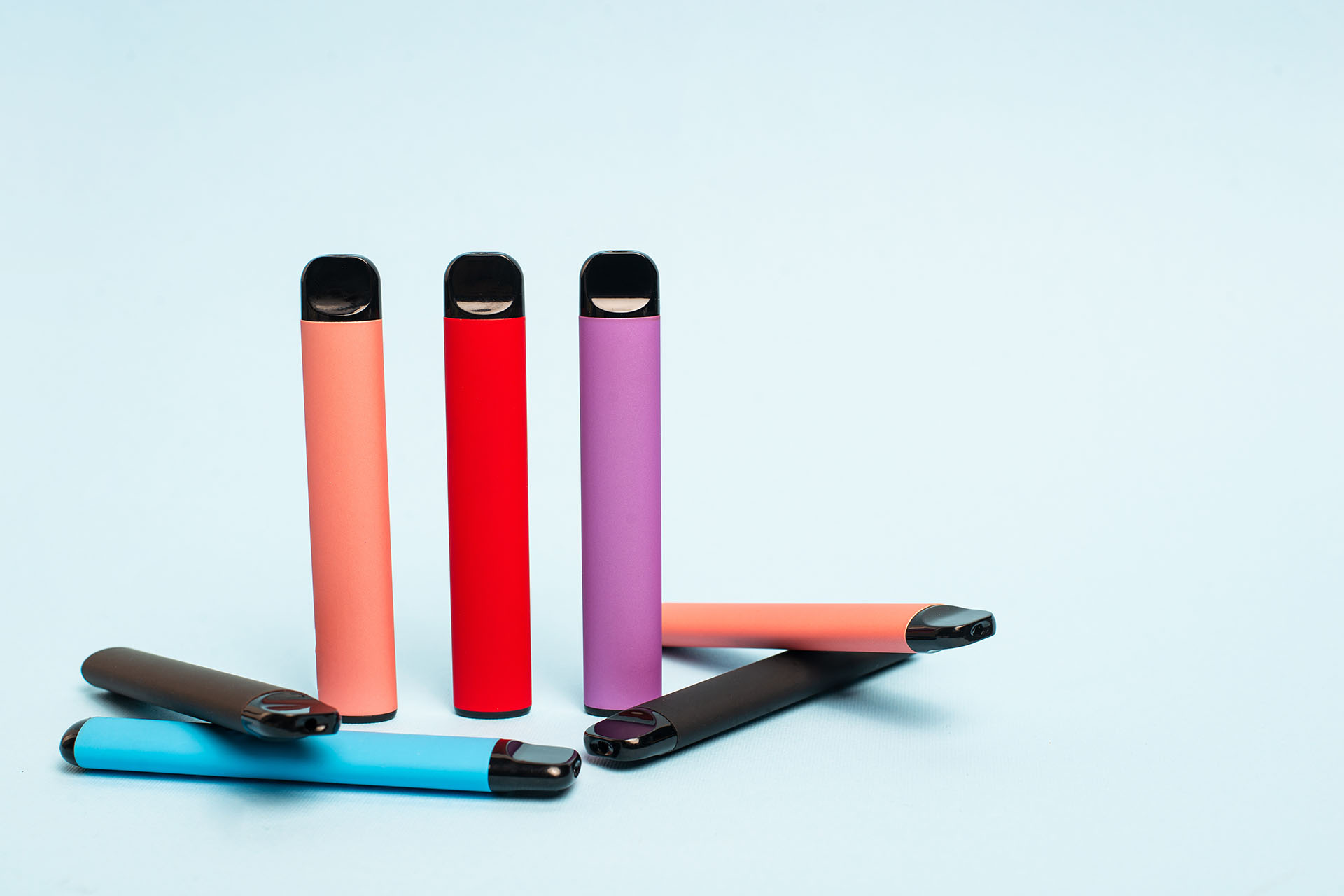
The landscape of the vaping industry is rapidly being reshaped by stringent regulations and public health initiatives, with New Zealand recently joining the movement by banning disposable vapes. This is part of a global trend that has seen several countries take steps to curb the growing use of vaping among young people and protect public health.
For vape brand owners, this kind of legislative action is not just a change in the legal environment but also represents a significant shift in business planning, product development, and marketing strategies. Here, we explore the profound implications of New Zealand's ban on disposable vapes and the ripple effect it may have on the industry at large.
Disposable Vapes on the Chopping Block
In an effort to combat youth vaping and reduce the environmental impact of these single-use devices, New Zealand's recent move is not surprising. With the ban soon to be enacted, vape brand owners need to take note and adjust their operations accordingly. The ban is part of the Smokefree Environments and Regulated Products Act, and it prohibits the import, sale, and supply of disposables, including severe penalties for those caught selling vapes to minors.
The action in New Zealand follows a similar ban in the UK, which is yet to receive a solid date for enactment. The latest ban underpins the global trends of a crackdown on youth vaping, but it's also emblematic of a broader rejection of 'convenience culture,' with its single-use, plastic product that has come to represent a public nuisance and environmental hazard.
Regulatory Impact for Vape Brand Owners
The most immediate impact for vape brand owners will be on the sale of disposable vapes. It is clear that the convenience offered by these simpler devices is no longer a justification for their proliferation in the market. Manufacturers must now pivot to more sustainable practices that align with both the legal requirements and consumer preferences. While many brands sell other vape products as well as disposables, disposable-only brands will need to either rethink their product offerings or take their products elsewhere.
The Ongoing Update to Reusable Vapes
The new regulations also touch on re-chargeable vape devices. Brands have until October 1st to ensure their devices include features such as child-resistant and tamper-evident packaging and meet other safety and quality standards. This presents an opportunity for companies to innovate and develop products that cater to the changing demands and expectations of regulators and consumers alike.
In addition to these new requirements, branding and marketing restrictions are tightening. Vape brands will no longer be able to use imagery that may appeal to young people, including cartoons, or have flavours with names that could attract the youth demographic. This update has since come into effect as of March 21st.
The Big Picture
The ban on disposable vapes is just one example of the broader regulatory shifts taking place in the vape industry. The trend is clear – governments are taking an increasingly active role in shaping the market to align with public health and environmental sustainability.
This presents challenges, but also opportunities. It encourages product innovation and a focus on long-term environmental stewardship. It prompts brands to engage in transparent, educational marketing aimed at adult consumers and invest in robust, multi-channel age verification systems to prevent underage sales. Although it may seem daunting, the current regulatory environment should be seen as a chance for brands to redefine their role and responsibility within the market.
Conclusion
As governments continue to take a hard line on vaping, the industry must adapt or face the consequences. The ban on disposable vapes in New Zealand is just one part of this global shift towards greater regulation. Vape brand owners must be proactive in navigating these changes. By upholding a commitment to regulatory compliance, product innovation, and environmental stewardship, brands can not only survive but thrive in the new market reality.
It is clear that the vape industry is at a crossroads, and the decisions made now will shape its future. By recognizing the opportunities that come with these changes and approaching them with a spirit of innovation and sustainability, vape brand owners can secure a place for their products in the evolving marketplace. Now more than ever, it is essential to be proactive, versatile, and forward-thinking in order to build a resilient and successful business.