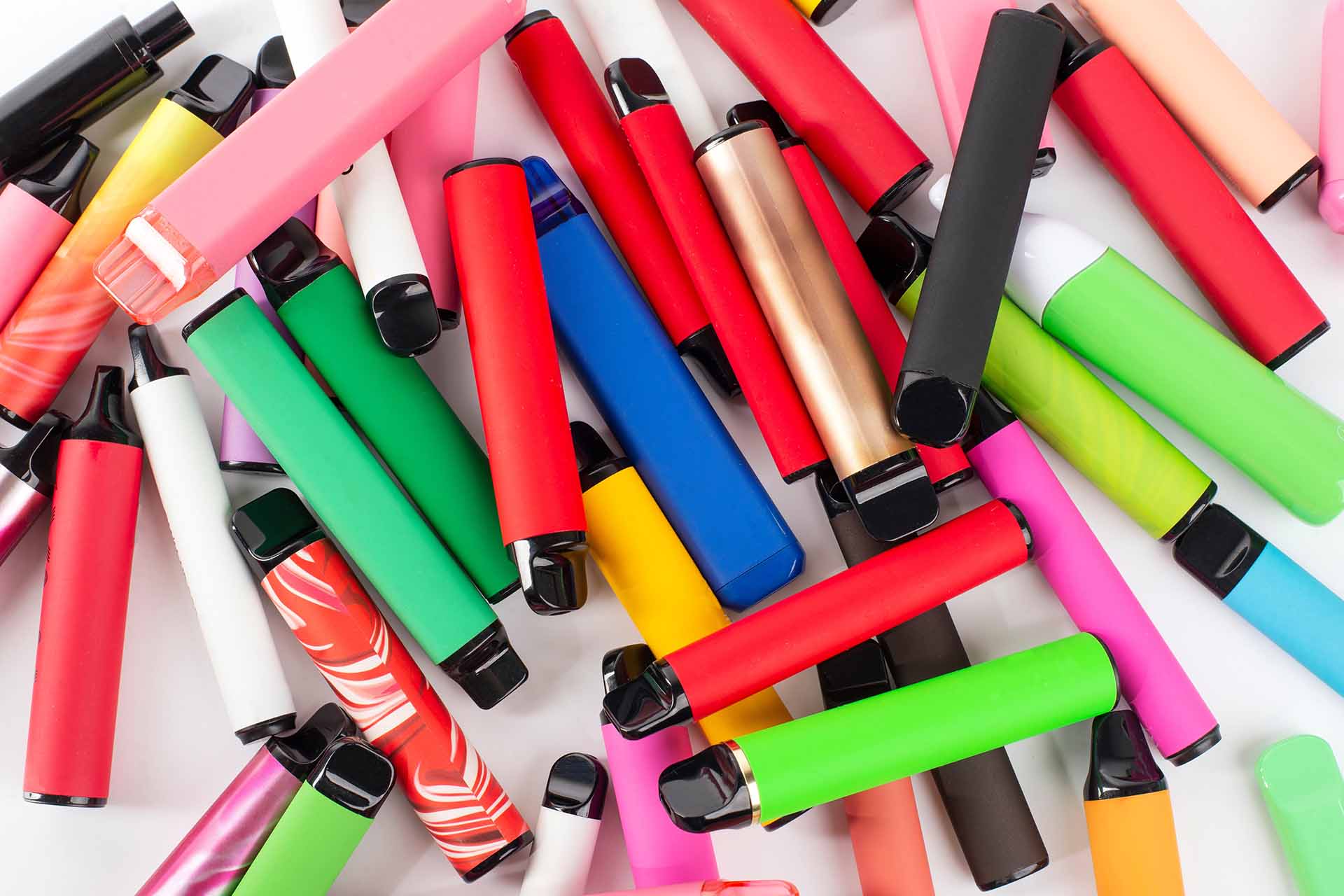
As of 1st June 2025, the UK government’s ban on disposable vapes is officially in effect — a landmark change that reshapes the vape industry and signals a new era for responsible innovation.
For brand owners and retailers, this isn’t just a regulatory hurdle. It’s a clear call to evolve — fast. Whether you’re already in the vape space or planning to enter it, understanding what this ban means and how to adapt is now mission-critical.
At Xyfil, we specialise in helping brands respond to change with agility, compliance, and confidence. Here's everything you need to know.
What Is the UK Disposable Vape Ban?
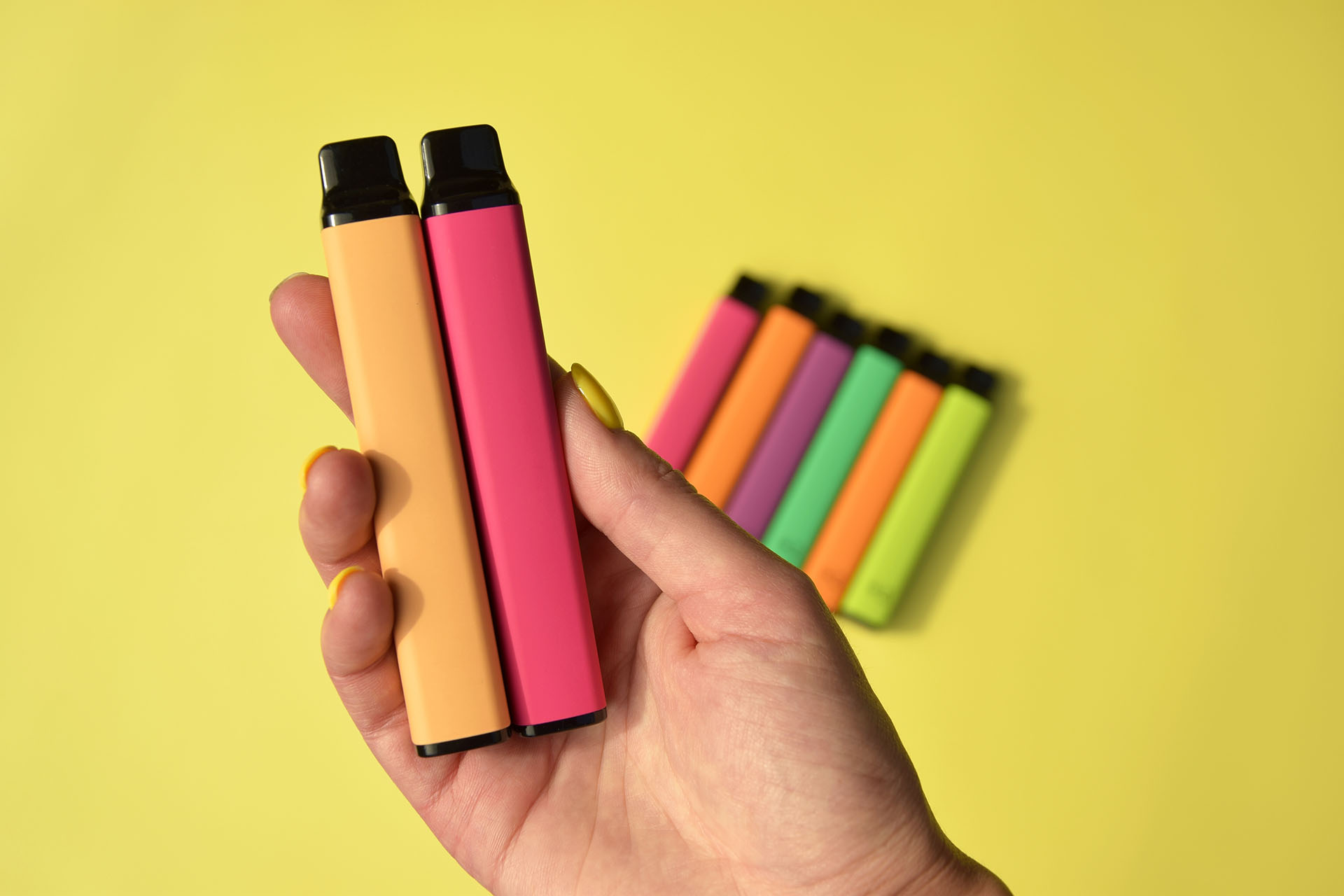
The UK government has enacted legislation prohibiting the manufacture, sale, and supply of single-use disposable vape devices. This includes commonly available closed-system vapes that are designed for short-term use and cannot be refilled or recharged.
Why the ban?
- Environmental impact: Millions of disposable devices end up in landfills or as e-waste due to non-recyclable batteries and plastic casings.
- Youth vaping: Concerns around youth access and underage use have led to growing pressure to restrict attractive, easy-access vape formats.
- Public health policy alignment: The move aligns with the UK’s broader public health goals, including promoting smoking cessation through safer alternatives — not single-use products.
Enforcement will fall on manufacturers, importers, and retailers — with penalties for non-compliance expected to be significant.
What This Means for Brand Owners
For vape brands and product developers, the ban represents both a challenge and an opportunity.
Key Impacts:
- Disposables are off the table — brands can no longer rely on the fast-selling, low-maintenance format to compete.
- Loss of market share — if you don't pivot, your brand risks becoming irrelevant in regulated markets.
- Product reformulation and redesign — disposable devices and e-liquid formats will need to be re-engineered for reusability and compliance.
But there’s a silver lining: consumers are already shifting their preferences. And brands that act quickly can establish themselves as leaders in a post-disposable market.
What Are the Compliant Alternatives?
With disposables banned, brand owners must now focus on longer-life vape formats that meet regulatory and environmental standards.
Here’s what’s compliant — and commercially viable:
- Refillable Vape Kits
Open-system devices that allow users to manually refill with E-liquid. - Closed Pod Systems with Replaceable Pods
Devices that use pre-filled, click-to-connect pods — offering convenience without waste. - Reusable Vape Hardware
Rechargeable devices paired with compliant E-liquids; ideal for long-term users. - E-liquids
Whether you prefer a freebase brand of a Nicotine salt brand, there’s also nicotine free shortfill E-liquids.
These formats aren’t just compliant — they offer longer engagement with your customers and higher lifetime value per user.
How Xyfil Supports Brands Through the Transition
Adapting to new regulations can feel overwhelming, especially if you don’t have in-house manufacturing or compliance support. That’s where Xyfil comes in.
Here’s how we help:
Turnkey Manufacturing
We manage the full process from flavour development and device sourcing to filling, branding, packaging, and logistics.
Regulatory Expertise
Our dedicated compliance team ensures your products meet UK and global regulatory standards — including TRPR, CLP, and post-ban requirements.
Custom Product Development
Need to pivot quickly? We can reformulate your best-selling flavours into pod or refillable formats in record time.
Branding & Packaging Support
Update your product’s look and feel to match its new format and sustainability ethos.
With over a decade of experience in compliant vape manufacturing, we’re trusted by brands worldwide to deliver fast, flexible, and scalable solutions.
Your Next Steps: Future-Proofing Your Brand
Now that the ban is in place, the worst move you can make is inaction.
Here’s how to start:
- Audit your current product range – Identify all disposable SKUs and plan alternatives.
- Consult with a compliance expert – Ensure your new formats will meet both UK and international standards.
- Partner with an agile manufacturer – Work with a partner like Xyfil to accelerate reformulation and production timelines.
Conclusion
The disposable vape ban is not the end — it’s the beginning of a smarter, cleaner, more responsible future for vaping. And for brands willing to adapt, it’s a rare opportunity to lead the next generation of innovation.
At Xyfil, we’re here to make that transition seamless. From idea to shelf, we help brands stay compliant, competitive, and future-ready.