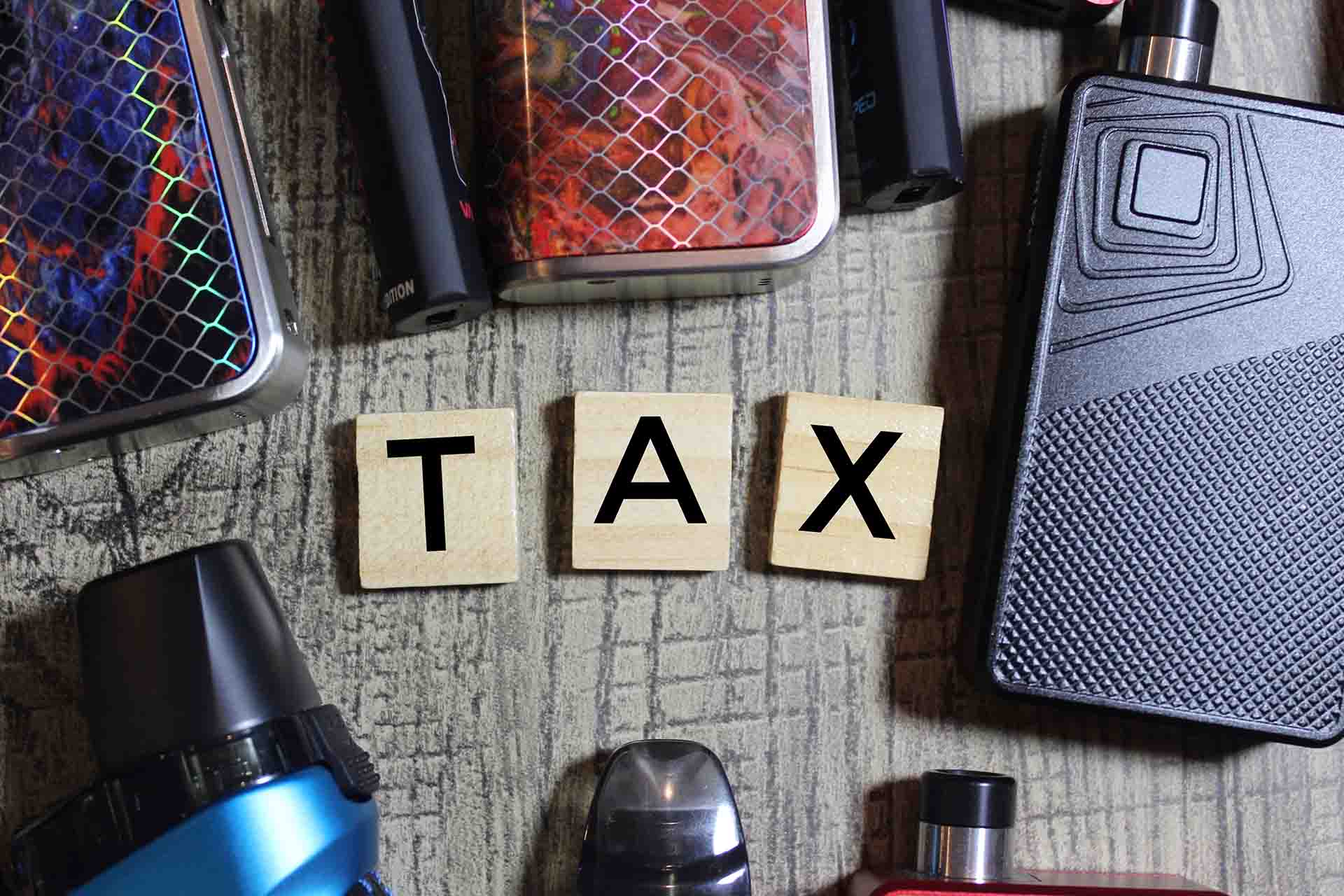
The UK government has announced sweeping changes to vaping regulations, including a new tax that will reshape the industry. These measures aim to protect children from nicotine addiction whilst tackling the environmental crisis caused by disposable vapes. If you vape, sell vaping products, or simply want to understand these policy changes, here's everything you need to know about the upcoming vape tax and related regulations.
The new rules represent the most significant shift in UK vaping policy since e-cigarettes became widely available. From banning disposable vapes to introducing the first-ever vaping duty, these changes will affect millions of users and thousands of businesses across the country.
The Current Vaping Landscape in the UK
Vaping has become increasingly popular across all age groups in Britain. According to the Office for National Statistics, approximately 5.1 million people aged 16 and over used vapes or e-cigarettes in 2023. Daily vaping rates have risen to 5.9% of adults, with occasional use adding another 3.9%.
The highest usage rates appear among young adults, with nearly 16% of 16-24 year-olds now vaping. However, the most concerning trend involves children and teenagers. ASH (Action on Smoking and Health) found that 18% of 11-17 year-olds (around 980,000 children) have tried vaping, whilst 7% currently vape regularly.
Environmental concerns have also mounted as almost five million single-use vapes were discarded weekly in 2023, according to the Department for Environment, Food, and Rural Affairs. These devices contain lithium-ion batteries and circuit boards that can leak toxic compounds like cobalt and copper into ecosystems, potentially harming marine life and causing fires in waste collection vehicles.
Key Details of the UK Vape Tax
The new vaping duty will take effect on 1 October 2026, introducing a flat rate of £2.20 per 10ml of vaping liquid. This tax will apply alongside the existing 20% VAT that vaping products already attract.
The government has structured this tax to maintain vaping's role as a smoking cessation tool. Tobacco duty will increase simultaneously to preserve the financial incentive for cigarette smokers to switch to less harmful vaping products. This approach reflects the NHS position that vaping should primarily serve as part of adult smoking cessation programmes.
The Treasury expects this duty to generate significant revenue whilst deterring young people from taking up vaping. However, the tax rate remains considerably lower than tobacco duties, ensuring that vaping maintains its cost advantage over cigarettes for adult smokers seeking to quit.
Related Regulatory Changes
Disposable Vape Ban
The most immediate change took effect on 1 June 2025, when selling or supplying disposable vapes became illegal. Only reusable devices with rechargeable batteries, replaceable coils, and refillable chambers remain legal for sale.
Retailers breaking this law face minimum £200 fines in England, with repeat offences carrying prison sentences up to two years. Trading Standards officers can seize illegal single-use vapes, though consumers may still legally own existing devices.
Advertising and Marketing Restrictions
The Tobacco and Vapes Bill, currently progressing through Parliament, will ban vape advertising and sponsorship entirely. New restrictions will also limit flavours, packaging designs, and product displays that might appeal to children.
The British Medical Association has highlighted how manufacturers have deliberately targeted young people with attractive colours, branding, and appealing flavours like bubble gum or candy floss. These marketing tactics have contributed to rising youth vaping rates despite age restrictions.
Enhanced Enforcement
Authorities are intensifying crackdowns on illegal vapes, which often contain harmful chemicals or drugs beyond standard nicotine formulations. Trading Standards officers seized over six million illegal vaping products across England between 2022 and 2024, highlighting the scale of the black market problem.
Potential Impacts of the Vape Tax
Consumer Price Increases
The £2.20 per 10ml tax will significantly increase vaping costs for consumers. A typical 10ml bottle of e-liquid currently retailing for around £3-5 will see a price increase of over 40%. Heavy users purchasing larger quantities will face proportionally higher costs.
This price rise may disproportionately affect lower-income smokers who rely on vaping as their primary smoking cessation method. Public health advocates worry that increased costs might push some users back to cigarettes or toward cheaper, potentially dangerous illegal products.
Industry Transformation
Vape retailers and manufacturers must adapt quickly to these regulatory changes. Businesses will need to restructure supply chains, adjust pricing models, and ensure compliance with new advertising restrictions.
Smaller independent retailers may struggle with compliance costs and reduced profit margins, potentially leading to market consolidation. Manufacturers might focus more heavily on export markets where regulations remain less stringent.
Black Market Concerns
Higher prices often drive consumers toward illegal alternatives. The existing problem of illegal vapes containing unknown substances could worsen if legitimate products become significantly more expensive. Enforcement agencies will need additional resources to combat expanded black market activity.
Public Health Implications
The tax's impact on public health remains uncertain. Whilst higher prices might deter young people from starting to vape, they could also discourage adult smokers from switching to less harmful alternatives. The government must carefully monitor these competing effects to ensure the policy achieves its intended goals.
Expert Opinions and Industry Response
Public health organisations have offered mixed responses to the new tax. Many support measures to reduce youth vaping but express concern about potential unintended consequences for smoking cessation efforts.
The Royal College of Physicians maintains that vaping remains significantly less harmful than smoking and worry that excessive taxation might undermine its role in helping smokers quit. They emphasise the need for balanced policies that protect children whilst preserving access for adult smokers.
Vaping industry representatives argue that the tax level, combined with existing regulations, may be excessive. They point out that responsible manufacturers already avoid marketing to children and support age verification measures. However, they worry that legitimate businesses will suffer whilst illegal operators continue targeting young people without regard for regulations.
Some economists suggest the tax rate strikes a reasonable balance, generating revenue whilst maintaining vaping's cost advantage over cigarettes. They argue that modest price increases might actually improve the industry's reputation by discouraging casual youth experimentation.
Preparing for the Changes
If you currently vape, consider these steps before the tax takes effect:
- Stock considerations: Whilst you cannot legally purchase disposable vapes after 1 June 2025, you can still own existing devices. However, consider transitioning to reusable alternatives that comply with new regulations.
- Budget planning: Factor the new tax into your vaping budget from October 2026. The additional £2.20 per 10ml will significantly impact regular users' costs.
- Retailer research: Identify reputable retailers who comply with age verification requirements and sell only legal products. Avoid illegal vapes that may contain dangerous substances.
- Health considerations: If you don't currently smoke, health authorities strongly advise against starting to vape. The devices should primarily serve as smoking cessation tools for adults trying to quit cigarettes.
Looking Ahead: A Balanced Approach
The UK's new vaping tax and regulations represent a significant policy shift aimed at protecting children and the environment whilst preserving vaping's role in smoking cessation. Success will depend on careful implementation that addresses legitimate concerns without creating unintended consequences.
Monitoring will be crucial as these changes take effect. Policymakers must track youth vaping rates, adult smoking cessation success, black market activity, and environmental improvements to ensure the regulations achieve their intended goals.
The coming months will reveal how effectively these measures balance competing priorities: protecting young people from nicotine addiction, supporting adult smokers seeking to quit, generating government revenue, and addressing environmental concerns.
Stay informed about these changes through official government channels and reputable health organisations. If you're currently trying to quit smoking, consult healthcare professionals about the most appropriate cessation methods for your situation. The landscape may be changing, but support for those seeking to improve their health remains available.