
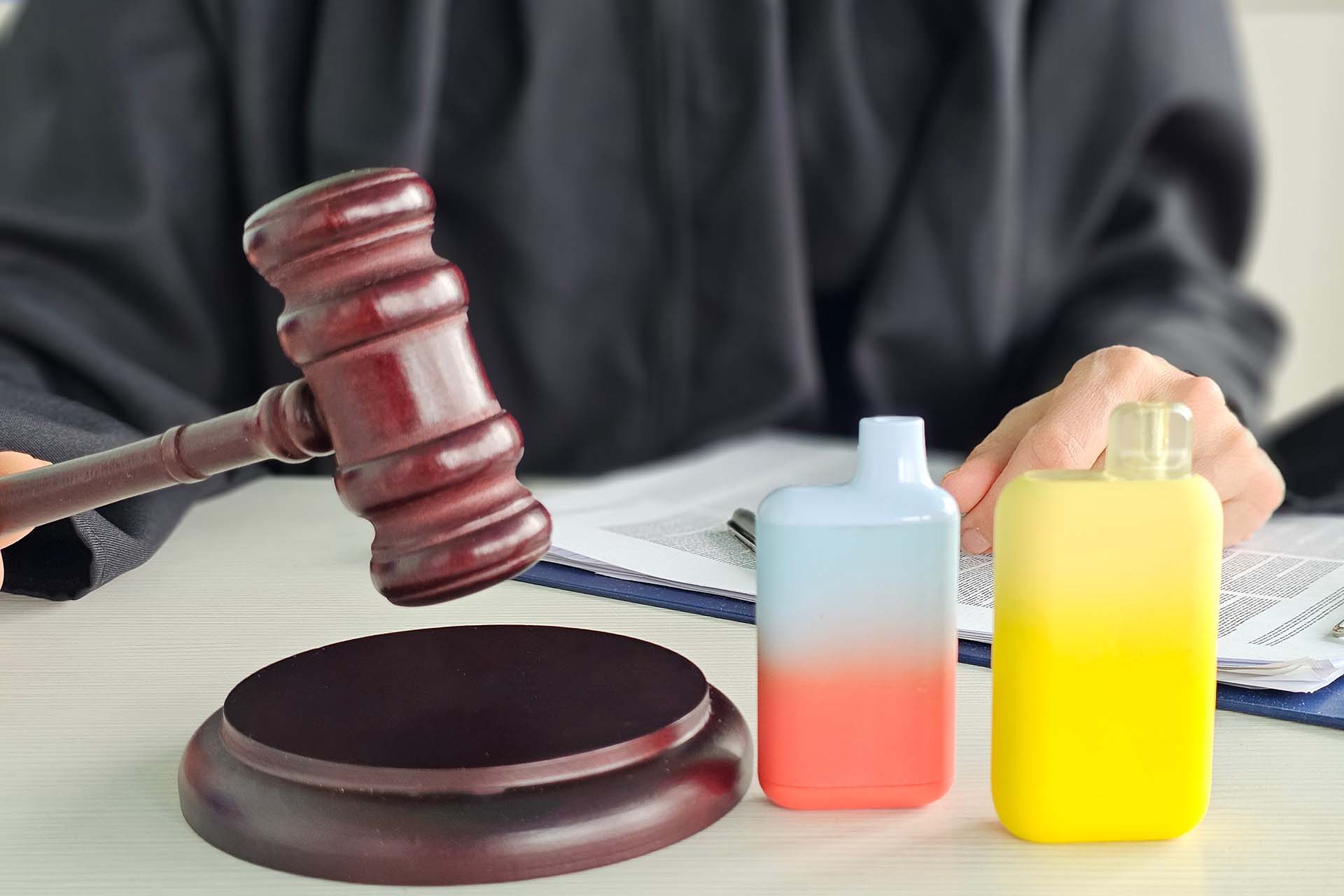
While the UK continues to champion vaping as a cornerstone of its “Swap to Stop” public health strategy, 2026 has marked a dramatic shift in the global regulatory landscape. Two major international hubs—Mexico and Singapore—have recently doubled down on total prohibition.
For industry watchers and consumers alike, these vape regulation updates offer a stark case study: what happens when a government attempts to legislate a multi-billion dollar industry out of existence?
Mexico: From Grey Market to Constitutional Ban
As of January 16, 2026, the “legal grey area” that many travellers and residents in Mexico navigated for years has officially closed. Following a constitutional amendment passed under President Claudia Sheinbaum, the manufacture, import, and sale of all e-cigarettes are now strictly prohibited.
The Reality on the Ground:
- Severe Penalties: Violations of the new General Health Law reform can lead to prison sentences of one to eight years and massive fines.
- The “Trafficking” Trap: While personal use in private remains technically non-criminalised, the law is notoriously vague on what constitutes a “personal amount.” Travellers arriving at airports like Puerto Vallarta are already being met with high-resolution X-rays and on-the-spot fines of $200–$500 USD for carrying even a single device.
- Market Migration: Perhaps the most concerning “unintended consequence” is the immediate migration of the market to unregulated channels. Without legal retailers to enforce age verification or product safety standards, supply has shifted entirely to the shadow economy, where product quality is unverified, and chemical standards (like those we uphold at Xyfil) simply do not exist.
Singapore: The High Cost of Zero Tolerance
Singapore has long been known for its zero-tolerance approach, but late 2025 and early 2026 have seen an unprecedented surge in enforcement. In just the final four months of 2025, authorities caught and fined over 3,500 people for possession and use.
New Developments in 2026:
- Digital Policing: The Health Sciences Authority (HSA) is now deploying AI bots to daily trawl social media and messaging apps, resulting in the removal of over 10,000 online listings in the past year alone.
- The Rise of “Kpods”: The crackdown has ironically coincided with the emergence of dangerous, illicit “Kpods”—unregulated vape devices laced with synthetic substances like etomidate. This highlights the primary danger of prohibition: when a regulated supply is cut off, it is often replaced by far more dangerous, adulterated alternatives.
- Mandatory Rehab: Singapore has introduced mandatory rehabilitation for repeat offenders and those caught with adulterated pods, treating vaping with a severity traditionally reserved for high-level narcotics.
The Hidden Risk: Safety and Accountability
At Xyfil, we’ve always maintained that regulation, not prohibition, is the path to public safety. When a market is legal, it is accountable.
In the “prohibition models” seen in Mexico and Singapore, that entire safety net vanishes. Consumers are left with:
- Zero Traceability: No batch codes or manufacturer accountability.
- Ingredient Risks: High potential for heavy metals, vitamin E acetate, or unapproved additives.
- Revenue Loss: Billions in potential tax revenue shift from public health funding to the pockets of unregulated shadow markets.
What This Means for the Future
The divergence in global policy is at an all-time high. While some nations see vaping as a tool to phase out combustible tobacco, others see it as a threat to be eradicated. However, the early data from 2026 suggests that total bans rarely eliminate demand; they simply remove the government’s ability to protect the consumer.
As we move forward, the “UK model” of strict regulation and high-quality manufacturing remains the global gold standard for balancing public health with consumer safety.
Are you navigating the complex world of global vape compliance? Xyfil stays at the forefront of international law to ensure our partners are always protected and prepared.
Contact us about our Compliance & Regulatory Services to learn how we maintain the highest standards in an ever-changing landscape.